12 Old-School Casseroles That Ruled Middle-Class Kitchens in the 1970s
12 Old-School Casseroles That Ruled Middle-Class Kitchens in the 1970s
If you could peek into a typical American kitchen in the 1970s, you’d likely find a few familiar things: a busy family schedule, a well-stocked pantry, a freezer full of shortcuts, and a trusty casserole dish waiting on the counter.
The casserole was more than just dinner. It was a clever little piece of kitchen problem-solving. It combined affordable ingredients, stretched a small amount of meat, fed a crowd, and let home cooks put a hot meal on the table without spending hours in the kitchen. Casseroles had been around long before the 1970s, but the decade was a golden age for the one-dish meal.
Part of the reason was changing family life. More women were entering the workforce during the decade, creating a growing need for meals that could be prepared ahead, baked while other tasks were handled, and turned into leftovers the next day. This does not mean every family cooked casseroles for the same reason, but the timing matched a broader shift toward convenient, practical family meals.
Food companies also played a huge role. Condensed soups, frozen vegetables, packaged pasta, boxed mixes, and prepared toppings became building blocks for everyday cooking. Campbell Soup Company’s 1970 cookbook, for example, featured 608 recipes showing how soup could become the base for casseroles, sauces, and complete meals.
So, which casseroles defined the era? Here are the classics that captured the spirit of 1970s kitchens.
Tuna Noodle Casserole
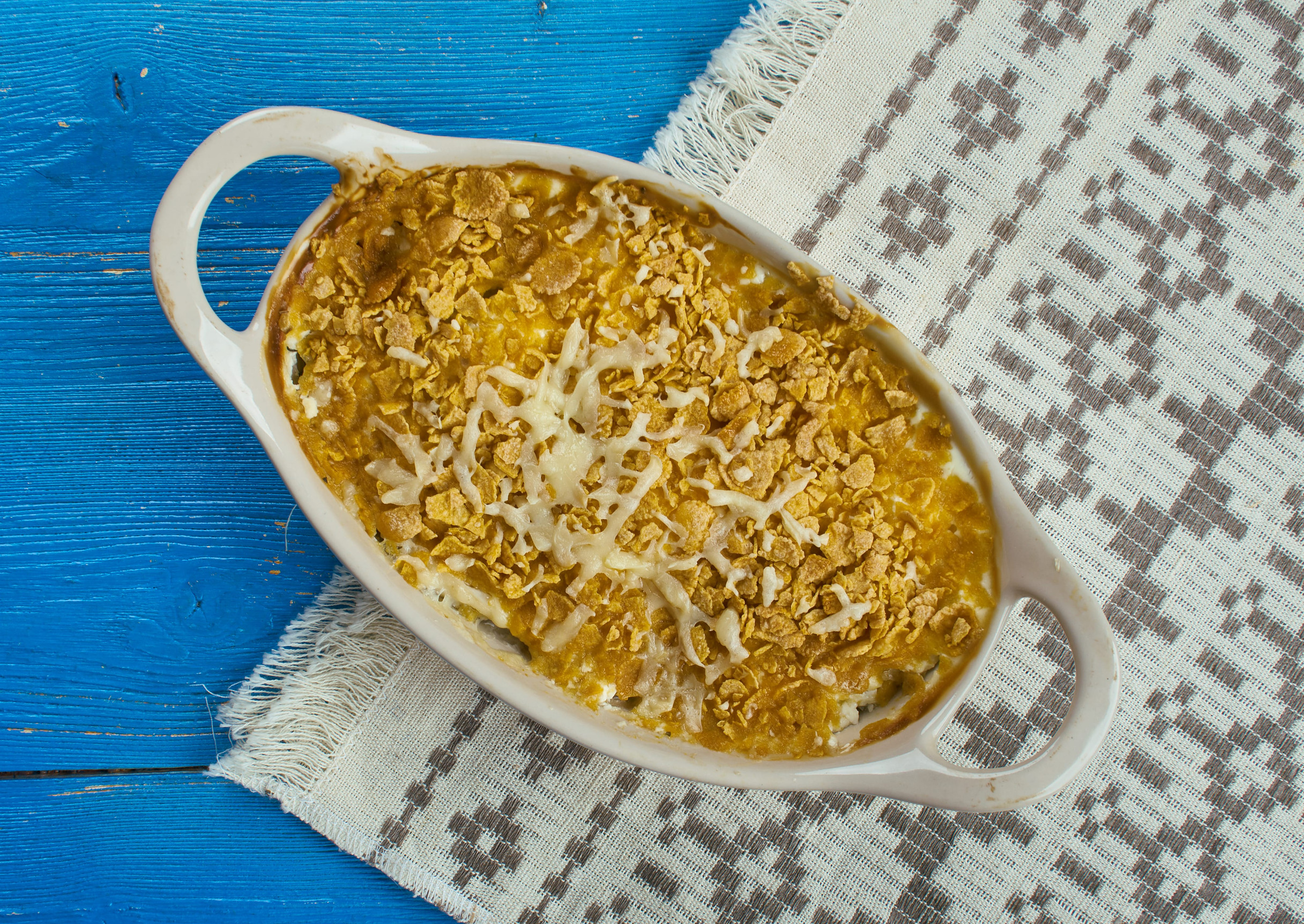
The ultimate pantry superhero. Tuna noodle casserole mixed egg noodles, canned tuna, condensed cream soup, vegetables like peas, and a crunchy topping made from crackers, breadcrumbs, or potato chips.
It was affordable, easy to assemble, and perfect for families watching their grocery budgets. The dish actually goes back to the 1930s, but by the 1970s it had become a familiar American comfort food thanks to canned goods and convenience cooking.
Green Bean Casserole
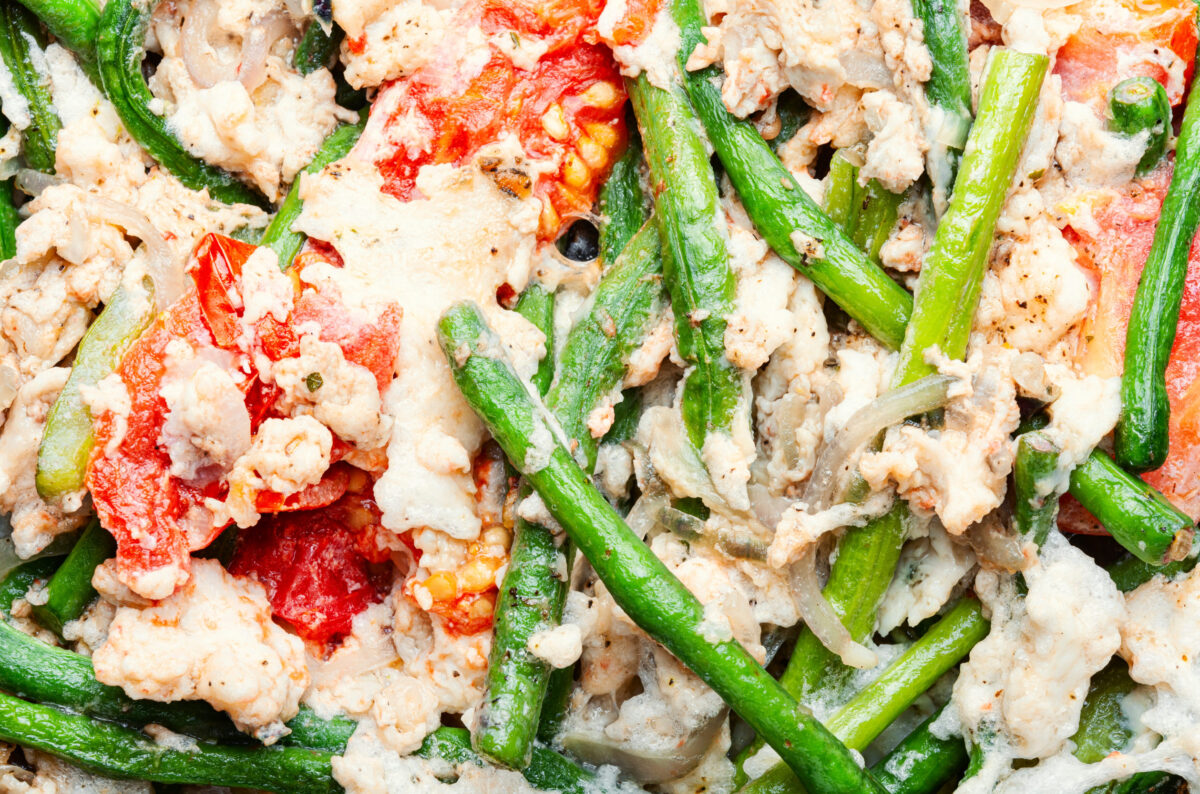
Few dishes represent holiday casserole culture better. Campbell’s test-kitchen employee Dorcas Reilly created the recipe in 1955, combining green beans, cream of mushroom soup, and crispy fried onions.
By the 1970s, it was a Thanksgiving favorite and a symbol of how food companies transformed simple pantry items into household traditions.
Chicken Divan
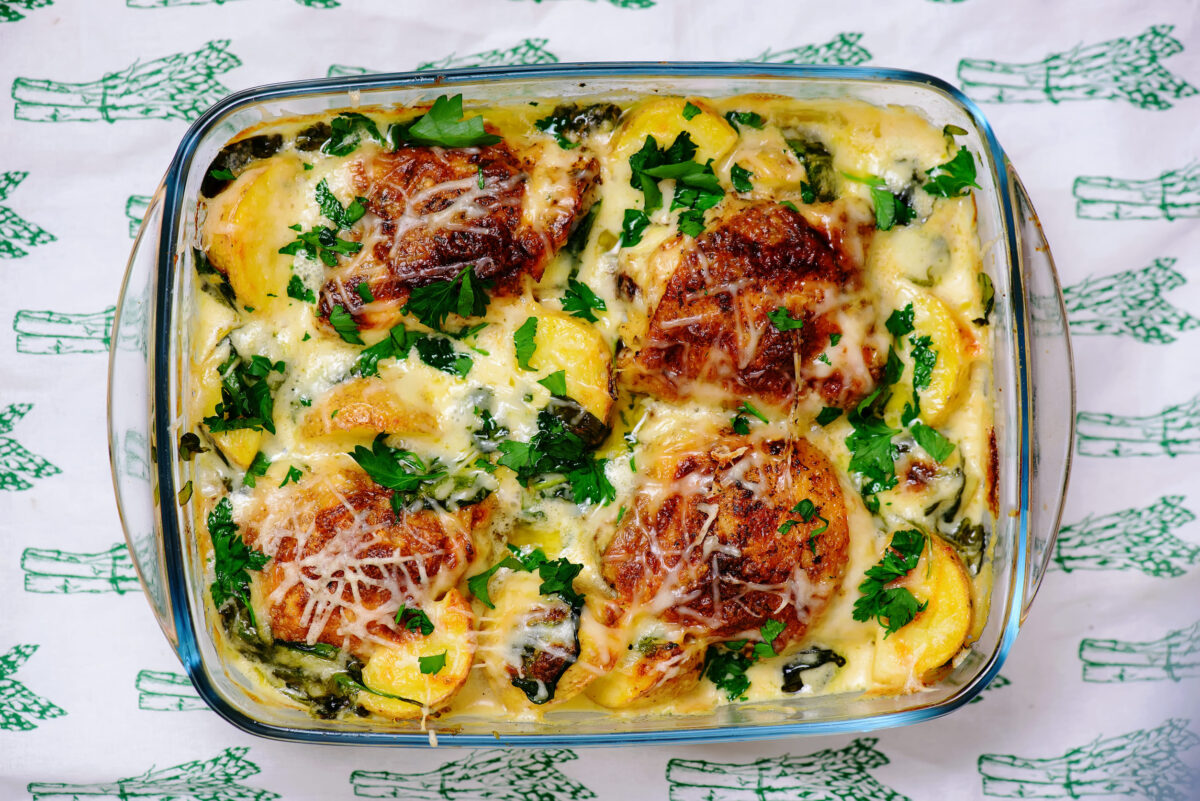
Chicken Divan brought a little “fancy dinner” feeling to the family table. Originally connected to a New York hotel restaurant, the home version became much simpler, often using frozen broccoli, canned soup, cheese, and leftover chicken.
It was the kind of casserole people served when they wanted something that felt special without requiring restaurant-level cooking skills.
King Ranch Chicken
A Texas favorite, King Ranch Chicken layered chicken, tortillas, cheese, peppers, tomatoes, and canned soups into a hearty dish. While its exact origins remain uncertain, it became strongly connected with Texas community cookbooks and gatherings.
It showed how regional flavors could be adapted into a casserole.
Tater Tot Hotdish
In the Upper Midwest, “hotdish” was the word for a casserole that could feed a family or an entire community gathering. The tater tot version combined ground beef, vegetables, condensed soup, and frozen potatoes.
It was practical, filling, and perfectly suited for church suppers and neighborhood events.
Hamburger Helper Casseroles
Few products scream 1970s like Hamburger Helper. Introduced nationally in 1971, it was designed to help families stretch one pound of meat into dinner for five. General Mills reported that 27 percent of U.S. households purchased it in its first year.
It represented a new style of cooking: the packaged dinner system.
Chicken and Rice Casserole
This was the dependable family workhorse. Chicken, rice, condensed soup, and vegetables came together in one dish that fed everyone and left leftovers.
It was less about one famous recipe and more about a reliable formula passed through cookbooks and family kitchens.
Broccoli Rice Casserole
Frozen broccoli and cheesy rice became a classic combination. It worked as a side dish, a vegetarian meal, or a base for adding chicken.
It captured the decade’s love of combining vegetables with creamy sauces and cheese.
Beef Stroganoff Casserole
The 1970s loved turning expensive-sounding dishes into affordable family meals. Ground beef, noodles, mushrooms, and creamy sauce gave families a budget-friendly version of a classic dish.
Baked Spaghetti
Baked spaghetti was the casserole answer to leftover pasta night. It stretched noodles, sauce, and meat into a bigger family meal and was easy to prepare in a large baking dish.
Cheesy Potato Casserole
Made with frozen potatoes, cheese, sour cream, and condensed soup, this casserole became a favorite at church gatherings, holidays, and community meals.
Tamale Pie and Mexican Cornbread Casserole
These dishes reflected the growing popularity of supermarket versions of regional flavors. Ground beef, beans, corn, seasoning, and cornbread topping created an inexpensive, family-friendly meal.
The real magic of 1970s casseroles was not just the recipes. It was the lifestyle they represented. They fit suburban schedules, supermarket shopping habits, family dinners, and community gatherings. A casserole could be a weeknight meal, a dish brought to a neighbor, or something served at a church supper.
The famous 9-by-13-inch baking dish became almost a symbol of the era: big enough for leftovers, simple enough for beginners, and reliable enough for busy households.
Today, casseroles may remind people of another time, but their popularity came from something very practical. They solved everyday problems. They made ingredients go further. They brought people together. And in the 1970s, that was exactly what many families needed from dinner.If you could peek into a typical American kitchen in the 1970s, you’d likely find a few familiar things: a busy family schedule, a well-stocked pantry, a freezer full of shortcuts, and a trusty casserole dish waiting on the counter.
The casserole was more than just dinner. It was a clever little piece of kitchen problem-solving. It combined affordable ingredients, stretched a small amount of meat, fed a crowd, and let home cooks put a hot meal on the table without spending hours in the kitchen. Casseroles had been around long before the 1970s, but the decade was a golden age for the one-dish meal.
Part of the reason was changing family life. More women were entering the workforce during the decade, creating a growing need for meals that could be prepared ahead, baked while other tasks were handled, and turned into leftovers the next day. This does not mean every family cooked casseroles for the same reason, but the timing matched a broader shift toward convenient, practical family meals.
Food companies also played a huge role. Condensed soups, frozen vegetables, packaged pasta, boxed mixes, and prepared toppings became building blocks for everyday cooking. Campbell Soup Company’s 1970 cookbook, for example, featured 608 recipes showing how soup could become the base for casseroles, sauces, and complete meals.
So, which casseroles defined the era? Here are the classics that captured the spirit of 1970s kitchens.
Tuna Noodle Casserole
The ultimate pantry superhero. Tuna noodle casserole mixed egg noodles, canned tuna, condensed cream soup, vegetables like peas, and a crunchy topping made from crackers, breadcrumbs, or potato chips.
It was affordable, easy to assemble, and perfect for families watching their grocery budgets. The dish actually goes back to the 1930s, but by the 1970s it had become a familiar American comfort food thanks to canned goods and convenience cooking.
Green Bean Casserole
Few dishes represent holiday casserole culture better. Campbell’s test-kitchen employee Dorcas Reilly created the recipe in 1955, combining green beans, cream of mushroom soup, and crispy fried onions.
By the 1970s, it was a Thanksgiving favorite and a symbol of how food companies transformed simple pantry items into household traditions.
Chicken Divan
Chicken Divan brought a little “fancy dinner” feeling to the family table. Originally connected to a New York hotel restaurant, the home version became much simpler, often using frozen broccoli, canned soup, cheese, and leftover chicken.
It was the kind of casserole people served when they wanted something that felt special without requiring restaurant-level cooking skills.
King Ranch Chicken
A Texas favorite, King Ranch Chicken layered chicken, tortillas, cheese, peppers, tomatoes, and canned soups into a hearty dish. While its exact origins remain uncertain, it became strongly connected with Texas community cookbooks and gatherings.
It showed how regional flavors could be adapted into a casserole.
Tater Tot Hotdish
In the Upper Midwest, “hotdish” was the word for a casserole that could feed a family or an entire community gathering. The tater tot version combined ground beef, vegetables, condensed soup, and frozen potatoes.
It was practical, filling, and perfectly suited for church suppers and neighborhood events.
Hamburger Helper Casseroles
Few products scream 1970s like Hamburger Helper. Introduced nationally in 1971, it was designed to help families stretch one pound of meat into dinner for five. General Mills reported that 27 percent of U.S. households purchased it in its first year.
It represented a new style of cooking: the packaged dinner system.
Chicken and Rice Casserole
This was the dependable family workhorse. Chicken, rice, condensed soup, and vegetables came together in one dish that fed everyone and left leftovers.
It was less about one famous recipe and more about a reliable formula passed through cookbooks and family kitchens.
Broccoli Rice Casserole
Frozen broccoli and cheesy rice became a classic combination. It worked as a side dish, a vegetarian meal, or a base for adding chicken.
It captured the decade’s love of combining vegetables with creamy sauces and cheese.
Beef Stroganoff Casserole
The 1970s loved turning expensive-sounding dishes into affordable family meals. Ground beef, noodles, mushrooms, and creamy sauce gave families a budget-friendly version of a classic dish.
Baked Spaghetti
Baked spaghetti was the casserole answer to leftover pasta night. It stretched noodles, sauce, and meat into a bigger family meal and was easy to prepare in a large baking dish.
Cheesy Potato Casserole
Made with frozen potatoes, cheese, sour cream, and condensed soup, this casserole became a favorite at church gatherings, holidays, and community meals.
Tamale Pie and Mexican Cornbread Casserole
These dishes reflected the growing popularity of supermarket versions of regional flavors. Ground beef, beans, corn, seasoning, and cornbread topping created an inexpensive, family-friendly meal.
The real magic of 1970s casseroles was not just the recipes. It was the lifestyle they represented. They fit suburban schedules, supermarket shopping habits, family dinners, and community gatherings. A casserole could be a weeknight meal, a dish brought to a neighbor, or something served at a church supper.
The famous 9-by-13-inch baking dish became almost a symbol of the era: big enough for leftovers, simple enough for beginners, and reliable enough for busy households.
Today, casseroles may remind people of another time, but their popularity came from something very practical. They solved everyday problems. They made ingredients go further. They brought people together. And in the 1970s, that was exactly what many families needed from dinner.
Other Posts You May Like
- The Boomer Food Traditions That Still Bring People to the Table
- 10 Best Easy Dinner Recipes for Families
If you like what you just read, then subscribe to our newsletter and follow us on social media.