From Rations to Recipes: 6 Foods With Unexpected Military Histories
Many foods in American kitchens have surprising histories, and some of the most interesting connections come from military research. The goal was practical: create meals that were lighter, lasted longer, traveled better, and could withstand difficult conditions.
That does not mean the U.S. military invented every food linked to military rations. In many cases, Army researchers helped develop packaging, preservation methods, or food technologies that later influenced products found in grocery stores. This includes shelf stable meals, powdered cheese, and freeze dried foods.
Retort Pouch Shelf Stable Meals
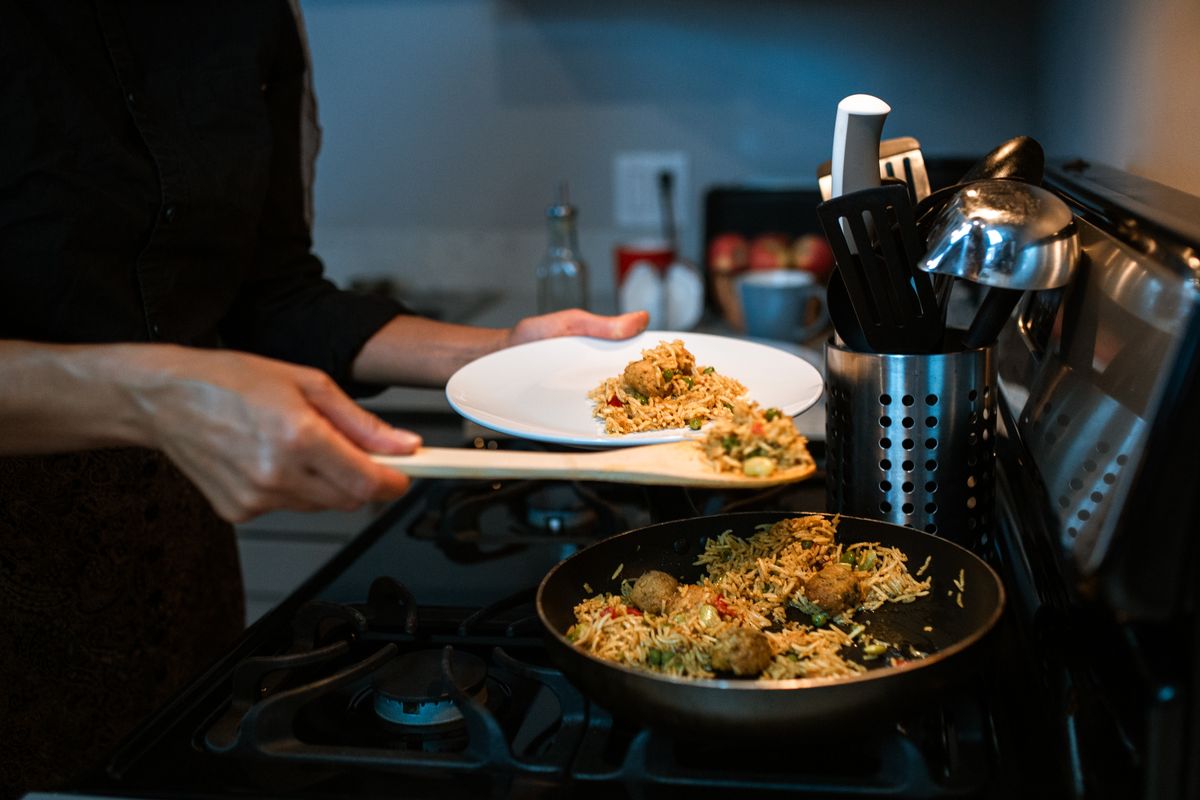
The next time you open a pouch of tuna, rice, curry, or another ready to eat meal, you may be using technology influenced by military food research. Army food researchers, packaging companies, and materials scientists developed the modern retort pouch through collaboration. The U.S. Army explored lightweight alternatives to traditional canned rations, with Natick researchers studying hundreds of pouch materials during the 1950s and 1960s. The goal was simple: create food packaging that was lighter than cans while still protecting food during storage and transport.
This technology later became central to military Meals, Ready-to-Eat (MREs), which replaced older ration systems in 1981. Today, similar pouch technology appears in camping meals, grocery-store tuna packets, cooked grains, sauces, and other convenience foods. The military did not invent packaged food, but it helped develop and advance a format that became common in modern food storage.
Related Post: 6 Everyday Foods You Didn’t Know Were Invented by the U.S. Military
Dehydrated Potato Flakes and Formed Potato Crisps
Instant mashed potatoes and certain types of processed potato snacks have a surprising connection to military food research. During World War II, the Army Quartermaster Corps worked with USDA scientists on dehydrating potatoes into lightweight flakes that could be stored and prepared easily. The research focused on solving a military problem: providing soldiers with convenient foods that were easier to transport and store, saving weight and space.
The connection to popular potato crisps requires careful wording. The Army has said potato-flake research helped lead to technology later used in products such as Pringles, but Procter & Gamble developed Pringles and launched it commercially in 1968. The more accurate story is that military supported potato research helped advance food technology that later influenced civilian products. Today, potato flakes are used in instant mashed potatoes, potato coatings, casseroles, and other kitchen shortcuts.
Powdered Cheese and Cheesy Snack Flavors
Cheese powder is now common in boxed macaroni and cheese, popcorn seasoning, crackers, and snack foods, but it grew out of a wartime food challenge. During World War II, Army food researchers worked with USDA scientist George Sanders to solve the problem of creating a stable dehydrated cheese product for military use. The research focused on making cheese easier to store and transport while maintaining useful qualities for feeding large numbers of people.
This does not mean the military invented Cheetos or other cheese snacks. Those were civilian commercial products. Even so, Army-supported research into powdered cheese helped advance the type of technology used in modern cheese-flavored foods. Today, cheese powders are found in everything from snack seasonings to homemade cheese sauces.
Freeze Dried Foods
Freeze-dried strawberries, camping meals, instant foods, and lightweight backpacking snacks all connect to military food science. The U.S. military did not invent freeze drying. The process existed before military use. However, Army Natick laboratories pioneered freeze-dried foods for soldiers in the early 1960s, focusing on lightweight meals that could be transported easily and rehydrated in the field. NASA later used food technology connected to Natick research for space missions, helping bring attention to freeze-dried foods outside military applications.
Over time, freeze dried ingredients became common in civilian products, including cereals, trail mixes, camping meals, and snack foods. This shift helped move from military use to everyday applications. The military did not create freeze drying, but it helped develop practical food applications that shaped how people use the technology today.
Shelf Stable Pocket Sandwiches
One of the clearest examples of a food format created specifically for military needs is the shelf-stable pocket sandwich. Army food researchers developed these sandwiches after soldiers requested portable foods they could eat easily while on the move. The Natick Combat Feeding Directorate worked on ways to control moisture, acidity, and oxygen so sandwiches could remain stable without refrigeration. The goal was not to reinvent the sandwich. Sandwiches existed long before military research. The innovation was creating a long-life version suitable for field conditions.
The technology was developed for military rations, including the First Strike Ration, designed for troops who needed compact meals during operations. While supermarket versions are less common than other examples on this list, the research shows how military food science tackled the challenge of making familiar foods last longer.
Energy Bar and Shelf Stable Snack Technology
Modern snack bars have many different origins, and the military did not invent the entire category. However, military researchers did contribute to the science behind compact, shelf-stable foods. The Army’s Natick laboratories studied intermediate moisture foods designed to remain stable while providing portable nutrition for field use. A 1972 Army technical report documented research into shelf stable intermediate moisture food products.
These efforts were part of a larger challenge: creating foods that were lightweight, durable, and practical for people operating away from traditional kitchens. Commercial snack bars, granola bars, and energy bars later developed through a combination of civilian food innovation, military research, and space program food technology. The military connection is better described as an influence on food science than as the invention of every modern snack bar.