The Dark Side of Tough: U.S. Presidents Who Ruled With Iron Fists and High Stakes
Toughness in a president is often celebrated as bravery or resilience, but the same traits that inspire awe can also reveal stubbornness, recklessness, and consequences that left ordinary Americans suffering. History remembers their feats, but many of these so-called “tough” leaders made decisions with devastating costs, from unnecessary wars to social upheaval.
Andrew Jackson
Jackson’s frontier toughness was infamous, but it veered into cruelty. Known for his duels and violent temperament, he also presided over the Trail of Tears, forcibly displacing thousands of Native Americans. His brand of decisiveness often disregarded legal frameworks and human rights, leaving a legacy of pain alongside his reputation for courage. Toughness, in Jackson’s case, was indistinguishable from authoritarianism.
Lyndon B. Johnson

Johnson’s legislative mastery was undeniable, yet his toughness was paradoxical. While pushing civil rights forward, he escalated U.S. involvement in Vietnam, causing over 58,000 American deaths and millions of Vietnamese casualties. His aggressive political style frequently intimidated opponents into compliance, masking moral compromises beneath legislative successes. Toughness here is inseparable from coercion and the human toll of foreign entanglements.
Richard Nixon
Richard Nixon projected toughness through political strategy and Cold War diplomacy, but his tenure revealed the dark side of authoritarian resolve. The continuation of the Vietnam War and secret bombings in Cambodia created a humanitarian crisis abroad. Domestically, Nixon’s paranoid consolidation of power culminated in the Watergate scandal, eroding trust in government and revealing the dangers of toughness unchecked by accountability. His strategic cunning, while effective in achieving political objectives, frequently relied on secrecy and coercion, demonstrating the moral cost of relentless toughness.
Harry S. Truman
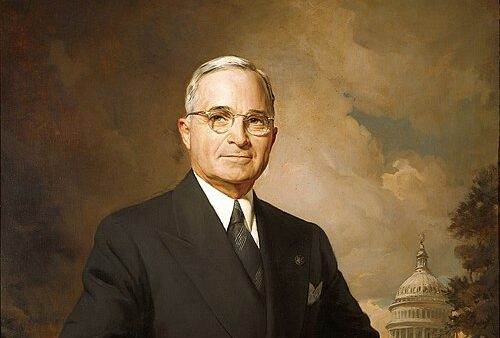
Truman’s “tough decisions” ended World War II, but not without long-term consequences. The atomic bombings of Hiroshima and Nagasaki killed hundreds of thousands of civilians and exposed generations to radiation. His interventionist policies in Korea initiated a prolonged conflict with significant casualties, both military and civilian. Truman’s assertive foreign policy established U.S. dominance but also sparked resentment, anti-American sentiment, and the onset of the Cold War’s human and economic toll. His toughness exemplifies how decisive action can carry moral ambiguity and enduring global consequences.
Theodore Roosevelt
Theodore Roosevelt’s reputation as a fearless Rough Rider masks a darker narrative. His relentless pursuit of “trust-busting” and expansionist policies often trampled local communities and businesses. While charging up San Juan Hill, Roosevelt’s aggressive military leadership exposed men to needless injuries and death. Later, his foreign policies in Latin America, framed as the “Big Stick,” led to interventions that destabilized nations, creating resentment that echoes to this day. Even his domestic reforms, while progressive, frequently ignored the suffering of rural laborers and marginalized communities, showing that toughness often came at the expense of the vulnerable.
George Washington
George Washington’s military toughness defined the American Revolution, but it exacted a staggering human toll. His decisions at Fort Necessity and later campaigns in New York and Valley Forge subjected troops to starvation, disease, and freezing conditions. Washington’s strategic victories often relied on the sheer endurance of poorly equipped soldiers, highlighting a toughness intertwined with subordinates’ suffering. His later political maneuvers, while consolidating the presidency, set precedents that sometimes ignored the voices of ordinary citizens, prioritizing authority over accessibility.
Abraham Lincoln
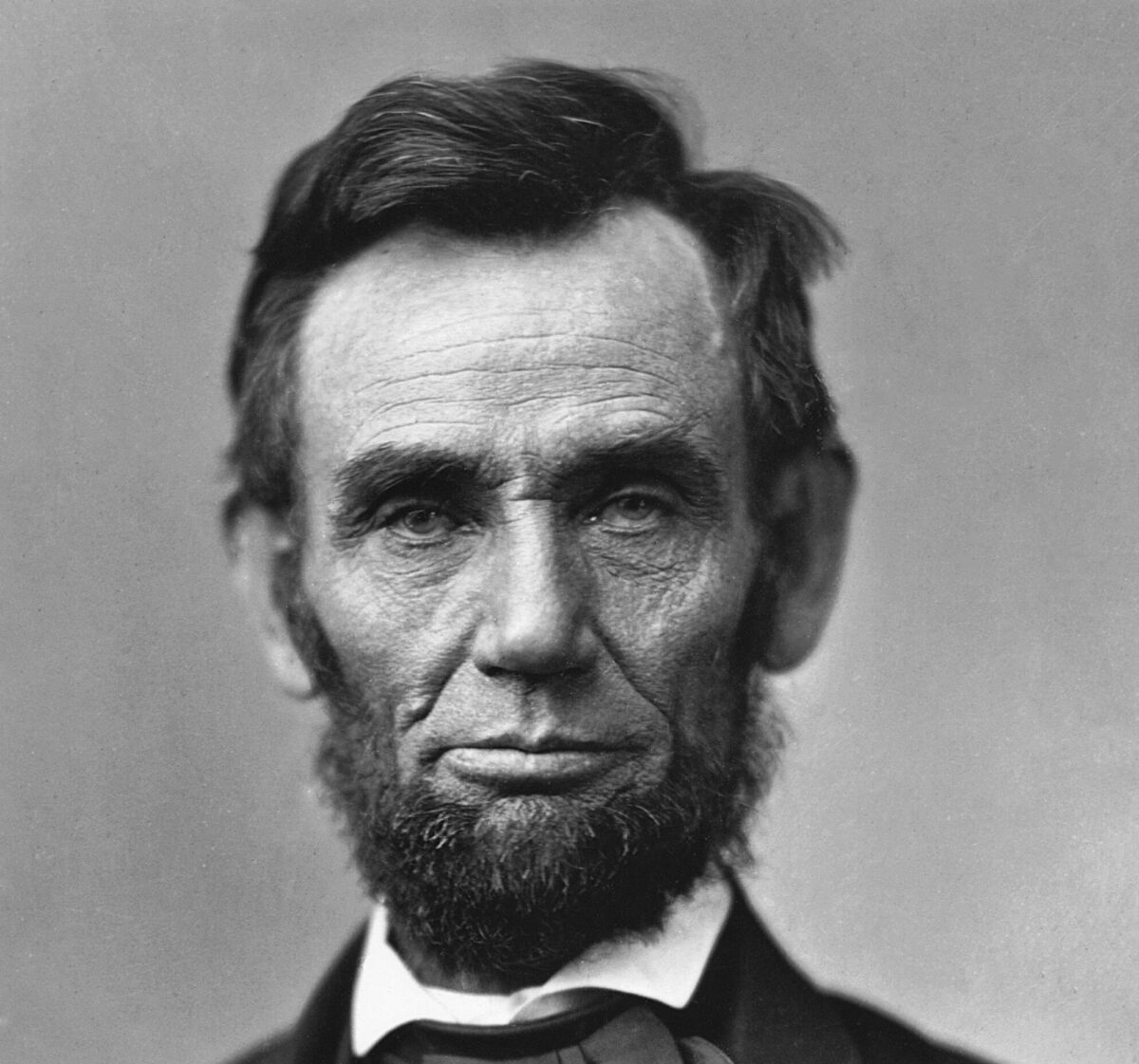
Lincoln is celebrated for his moral fortitude during the Civil War, yet his toughness carried profound consequences. His suspension of habeas corpus and wartime executive actions strained civil liberties and led to widespread detention without trial. Lincoln’s military decisions, including the brutal campaigns in the South, resulted in massive civilian casualties. His resolve preserved the Union but demanded an enormous toll on human life, showing that moral courage often intersects with devastating consequences.