These 10 States Would Be the Worst Places to Call Home
A place can look affordable from a distance and still make daily life feel painfully expensive in other ways. Cheap housing sounds good until weak schools, poor health care, safety concerns, limited job growth, and low quality of life start adding their own hidden costs. That is why some states that seem budget-friendly on paper still rank among the hardest places to call home.
The real issue is not just how much people pay for rent, groceries, or a mortgage. A good place to live should also give families a fair shot at safety, stability, health, education, and opportunity. When those pieces are missing, affordability can feel less like freedom and more like a trap with a lower price tag.
These ten states rank near the bottom because their problems overlap. Some are cheap but unhealthy. Some have beautiful scenery but difficult daily living conditions. Others have culture, history, and charm, but their economy, safety, or public systems make life harder than many residents expect.
Alabama Looks Cheap Until the Real Problems Show Up

Alabama might seem like a smart place to settle because it ranks first for affordability. Housing costs and daily expenses can feel lighter than in many other states, which makes it tempting for families trying to stretch every dollar. But cheap living does not erase the deeper problems that shape everyday life.
The state’s low cost of living hides a tougher reality. Alabama ranks poorly in education and health, and its economy score also sits near the bottom. That means families may save money on housing but still face weaker job options, limited upward mobility, and health outcomes that make long-term life harder.
Alabama’s affordability can look like a blessing at first. Yet when schools struggle, hospitals feel strained, and better opportunities seem harder to reach, the savings can lose their shine. Calling Alabama home may cost less, but the tradeoffs can feel heavy.
West Virginia Is Affordable but Hard to rely on
West Virginia has one of the strongest affordability rankings in the country, making it seem safe at first glance. For people tired of expensive cities, rising rent, and impossible home prices, that low cost of living can sound like a lifeline. But a cheaper lifestyle does not always mean a better life.
The state struggles badly in education and health, which places it near the bottom nationally. That weakness affects workforce readiness, health outcomes, and the everyday confidence families have in local systems. Low costs cannot fully protect residents when opportunities feel limited and public support feels thin.
West Virginia has natural beauty and a slower pace that many people love. Still, its low ranking shows that affordability alone cannot carry a state. When health, education, and quality of life lag behind, even cheap living can feel uncomfortable.
Oklahoma Offers Space but Not Enough Strength
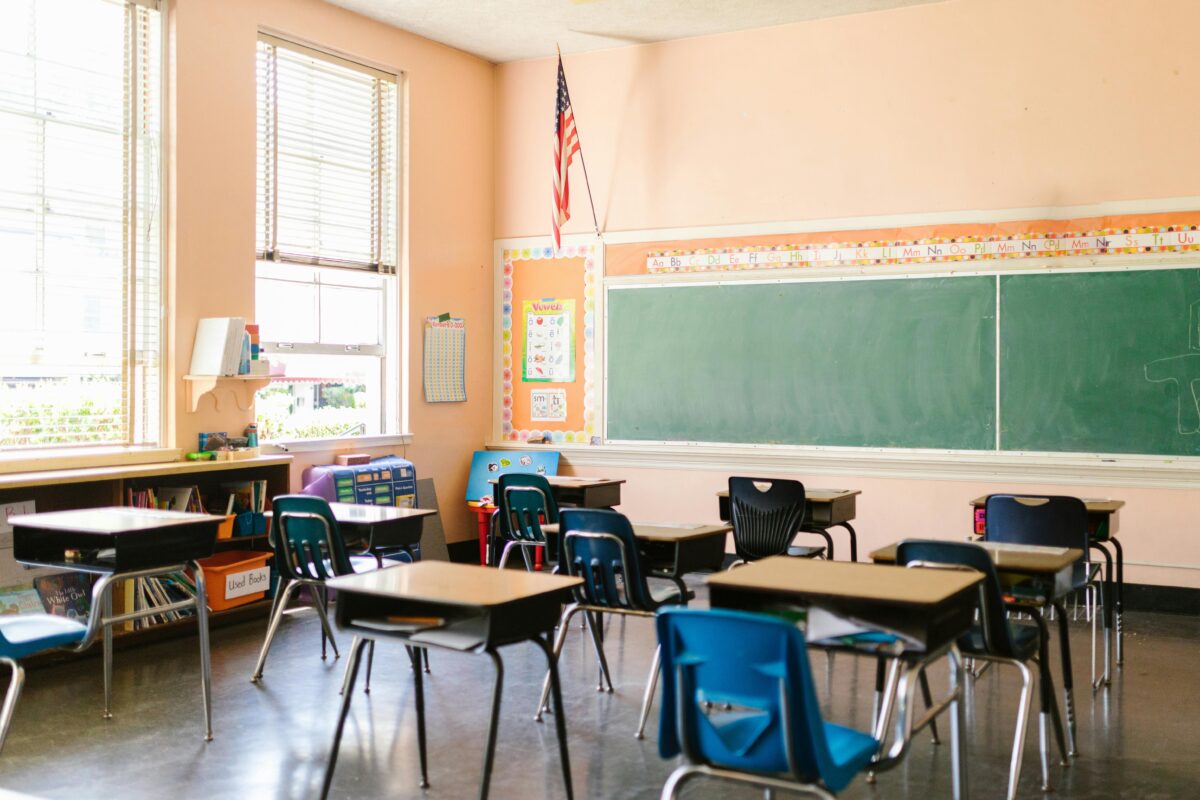
Oklahoma does not look like the worst place on paper, but that is part of the problem. It does not collapse into one obvious category. Instead, it struggles in several areas and fails to develop enough strength to offset its weaknesses.
Its affordability ranking is decent, but not strong enough to rescue its overall score. The state ranks low in education and health, and its safety score also raises concern. A family may find a home at a manageable price, but that does not automatically mean strong schools, good health care, or a secure daily life.
Oklahoma shows how a state can become difficult to live in without one dramatic failure. It simply lacks enough standout advantages. Space, lower costs, and a quieter lifestyle can help, but they cannot fully cover deeper system problems.
South Carolina Feels Warm but Not Fully Safe
South Carolina has the kind of surface appeal that can easily fool people. It has warm weather, coastal beauty, growing communities, and a strong affordability score. For anyone searching for a cheaper place to live, it can look like a pleasant escape from high-cost states.
The problem is that affordability gets weakened by safety concerns. South Carolina ranks near the bottom in safety, which makes its cost advantage feel less comforting. Families do not just need cheaper homes. They need neighborhoods where they can sleep peacefully, send their children to school with confidence, and move through daily life without constant worry.
The state also struggles in education, health, and economic performance. That creates a layered problem for residents who want more than a lower monthly bill. South Carolina may look inviting, but its low safety score makes calling it home riskier than many people expect.
Nevada Has Lights but Not Enough Stability
Nevada has energy, entertainment, recreation, and a lifestyle image that attracts millions of people. Its quality-of-life ranking is better than that of many other states in the bottom ten, which makes it stand out from the group. At first, Nevada can seem like a place where excitement and opportunity are always nearby.
But bright lights do not replace stability. Nevada ranks poorly in affordability and economy, which means residents can face high living costs without sufficient broad economic strength to support them. The state’s dependence on tourism and hospitality can also make it vulnerable when the economy slows down.
Nevada may sparkle from a distance, but daily life can feel expensive and uncertain. Entertainment does not pay the bills for everyone. When affordability and economic strength fall behind, even a lively state can become a difficult place to call home.
Alaska Is Beautiful but Brutally Difficult

Alaska might sound like a dream for people who want space, nature, and independence. It has dramatic scenery, wide-open land, and one of the strongest economic rankings in this bottom-ten group. For people who dislike crowded cities, Alaska can feel like the final frontier.
The reality of living there is far tougher than the fantasy. Alaska ranks last for quality of life and low for affordability. Its geography poses serious challenges, from transportation and food costs to access to medical care and distance from basic services.
Beauty does not solve isolation. A strong economy does not erase the cost of groceries, travel, health care, and survival in a place where daily life already demands more from residents. Alaska may be breathtaking, but calling it home comes with pressure many people underestimate.
Mississippi Is Cheap but Too Fragile
Mississippi is another state where affordability creates a misleading first impression. It ranks well for its low cost of living, which can make it attractive to people seeking cheaper housing and less financial pressure. In ordinary times, that can help families survive.
The problem is that Mississippi ranks last in education and health. That is the most alarming part of its profile. Schools, hospitals, public health, and long-term opportunities all matter when a family chooses where to live.
Mississippi’s affordability may soften the cost of daily life, but it cannot hide how vulnerable the state looks overall. A low mortgage does not mean much if the systems around families are weak. Cheap living may help people get by, but it does not always help them build a better future.
Arkansas Stretches Your Dollar but Shrinks Your Options
Arkansas offers one of the lowest-cost profiles in the country, making it practical for people who want their money to go further. That affordability is real, and for many households, it can make a major difference. But a cheaper lifestyle does not automatically mean a stronger life.
The state ranks poorly for safety, education, health, and quality of life. That combination makes Arkansas feel risky despite its low costs. A family might spend less on housing, but still face weaker schools, lower income potential, fewer services, and safety concerns.
Arkansas proves that affordability can help people survive, but still limit their options. Lower prices may stretch a paycheck, but weaker systems can shrink opportunity. For families choosing a long-term home, that tradeoff is hard to ignore.
Louisiana Has Soul, but Serious Living Problems
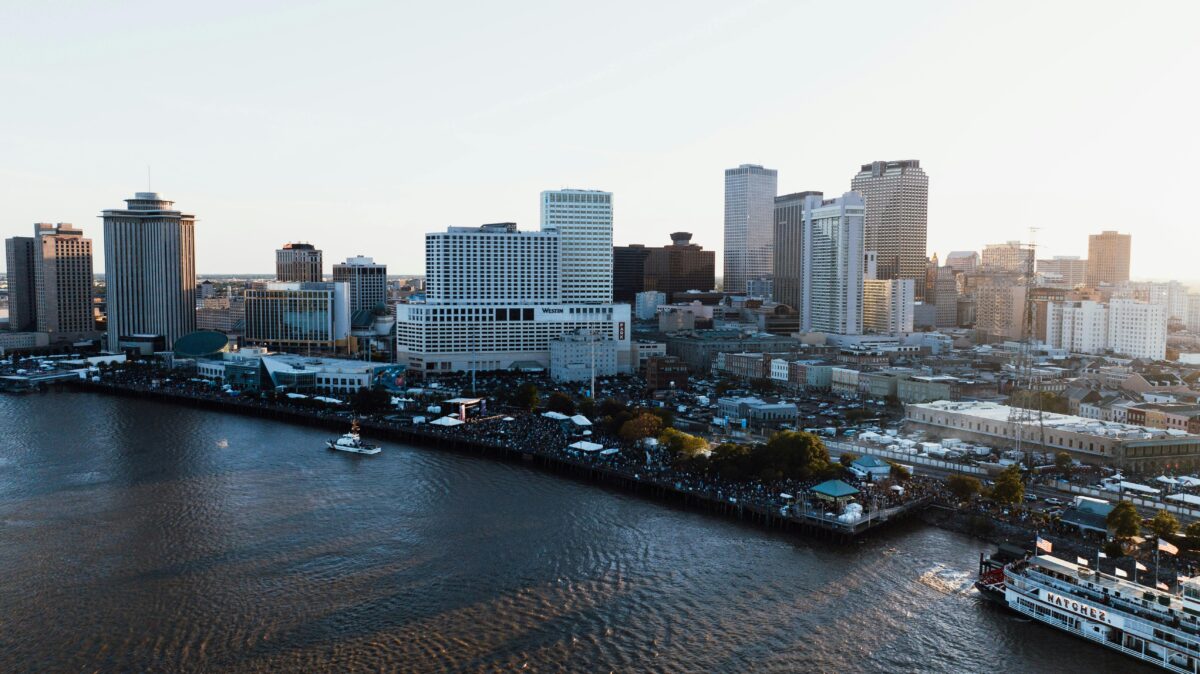
Louisiana has culture, music, food, history, and a spirit that few states can match. It is one of America’s most distinctive places, and that identity gives it emotional power. But charm cannot erase weak economic conditions, poor health outcomes, and serious public safety challenges.
Louisiana ranks last in the economy and near the bottom in education and health. That is a dangerous combination because money, work, health care, and schooling shape the foundation of daily life. When those systems struggle together, families can feel trapped.
The state may have heart, but its ranking suggests it is one of the hardest places to depend on when stability matters most. Culture gives Louisiana its magic. Weak public systems make everyday life much harder than it can be.
New Mexico Is the Last Place You’d Want to Call Home
New Mexico lands at the bottom because its weaknesses hit some of the most important parts of daily life. Unlike several other states on this list, it does not have a top affordability ranking to soften the blow. It sits closer to the middle in terms of affordability, which means residents do not get the same strong cost advantage seen in states like Alabama, West Virginia, or Arkansas.
The biggest concern is safety. New Mexico ranks near the bottom in safety and also performs poorly in education and health. People want protection, strong hospitals, stable schools, and confidence in their community. New Mexico’s low overall score makes it the clearest warning on the list.
The state does have beauty, culture, and history, but those strengths cannot fully balance the weaknesses. When safety and health systems fall behind, ordinary life becomes harder. That is why New Mexico stands as the worst place to call home in this ranking.