How Minnie Pearl’s Fried Chicken Tried and Failed to Take On KFC in the 1960s
Before Nashville Hot Chicken became a national phenomenon, another Nashville-connected chicken brand was trying to make fried chicken a bigger business. Minnie Pearl’s Fried Chicken launched in 1968 with a famous name, a catchy slogan, and an ambitious plan to challenge the presence of KFC.
The chain had plenty of attention, but attention was not enough to keep it going. Minnie Pearl’s Fried Chicken closed its final location in 1973, giving the brand a short run of just five years.
Here are the biggest pieces of the story.
The Name Came From a Famous Nashville Character
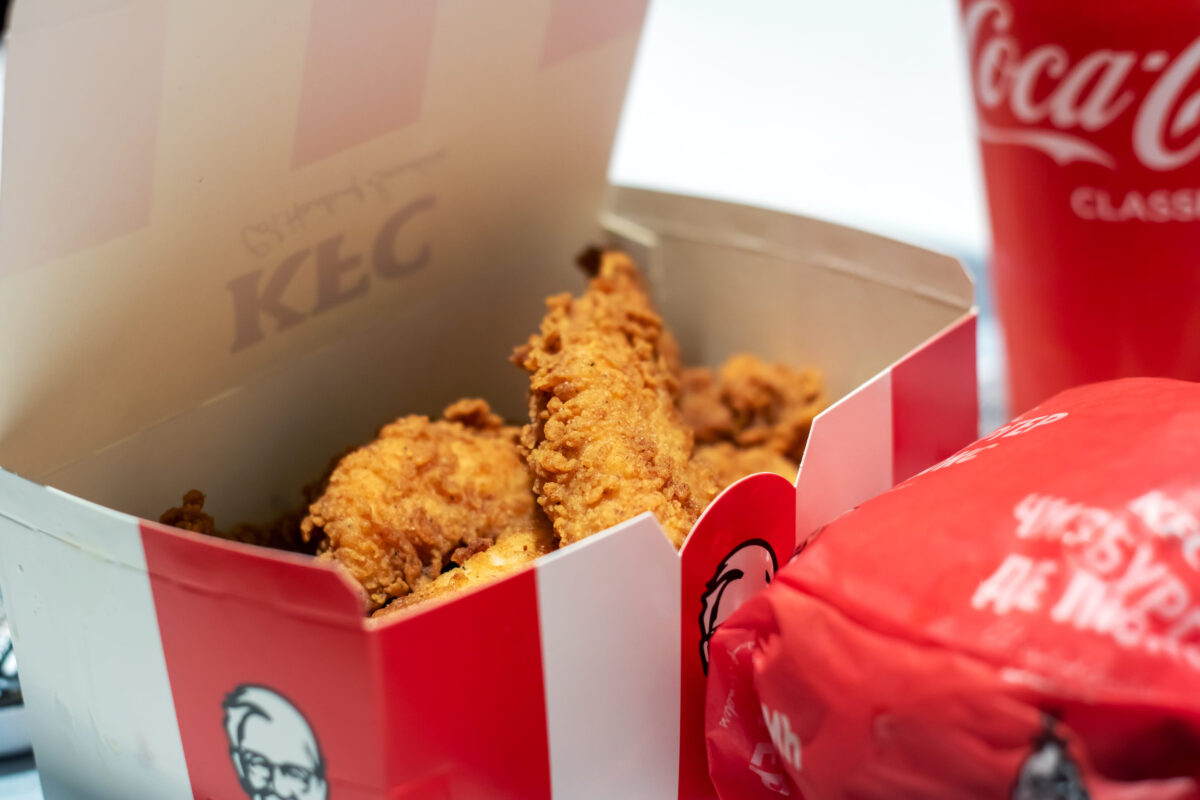
Minnie Pearl’s Fried Chicken was built around the name and likeness of Minnie Pearl, the beloved comic character created by Nashville entertainer Sarah Colley Cannon.
Cannon was the celebrity face of the business, but she was not the founder or operator of the restaurant chain. She licensed the Minnie Pearl character for the restaurant venture.
That gave the brand an immediately recognizable identity at a time when celebrity branding could make a new restaurant stand out.
The Idea Was Designed to Go Up Against KFC
Nashville attorney John Jay Hooker conceived Minnie Pearl’s Fried Chicken with KFC in mind.
The concept had an obvious marketing parallel. KFC had Colonel Sanders, a recognizable Southern figure associated with its chicken. Minnie Pearl offered another familiar personality with a strong Nashville identity.
The restaurant chain even borrowed from Minnie Pearl’s famous comic greeting for its own slogan: “How-dee-licious!”
The branding was memorable. The bigger challenge was turning that recognition into a reliable restaurant operation.
Franchising Helped the Chain Grow Quickly
Minnie Pearl’s Fried Chicken expanded rapidly through franchising.
That kind of growth gave the brand a way to put its name on more restaurants quickly, but it also created problems. The company faced issues involving franchise experience, operational consistency, and support.
A recognizable celebrity could help introduce customers to a restaurant. It could not by itself solve the practical demands of operating a growing group of franchised locations.
Fast Growth Became Part of the Problem
The chain’s expansion created challenges around how its restaurants were operated and supported.
Franchise systems depend on more than a familiar logo or personality. They require consistent operations, experienced franchisees, and adequate support as the business grows.
Minnie Pearl’s Fried Chicken struggled with those issues as it expanded. The problems help explain why the brand’s rapid rise did not turn into a lasting national restaurant business.
The Business Became Entangled in Controversy
The company also became tangled in financial and promotional controversy.
The available facts support that these issues were part of the chain’s troubled history, but precise allegations and legal details should not be overstated without archival reporting.
What is clear is that the business had problems beyond simply competing with another fried chicken restaurant. Its difficulties involved the broader business operation behind the brand.
Five Years Was All It Got
Minnie Pearl’s Fried Chicken launched in 1968 and closed its final location in 1973.
That makes the chain a remarkably brief chapter in the history of celebrity-branded fast food. It had the Nashville connection, the recognizable character, and the Southern fried-chicken identity, but those ingredients did not produce a long-term national competitor to KFC.
The chain was an attempted challenger, not a rival that ever reached KFC’s scale.
The Lesson Behind the Chicken
Minnie Pearl’s Fried Chicken had a marketing concept that was easy to understand. KFC had Colonel Sanders, so this new chain had Minnie Pearl. It had a memorable slogan, a recognizable Southern identity, and a fast-growing franchise model.
But the story ultimately shows the difference between creating a restaurant brand and building a restaurant business.
A famous name can attract attention. It can make a new chain easier to remember. But the less glamorous parts of franchising, including operational consistency, franchise support, and financial discipline, still have to work.
Minnie Pearl’s Fried Chicken lasted from 1968 to 1973. Its short history remains a colorful example of how quickly a promising fast-food concept can rise, and how difficult it can be to turn celebrity recognition into a lasting restaurant empire.