Trump Makes Election Security the Centerpiece of Republican Midterm Strategy
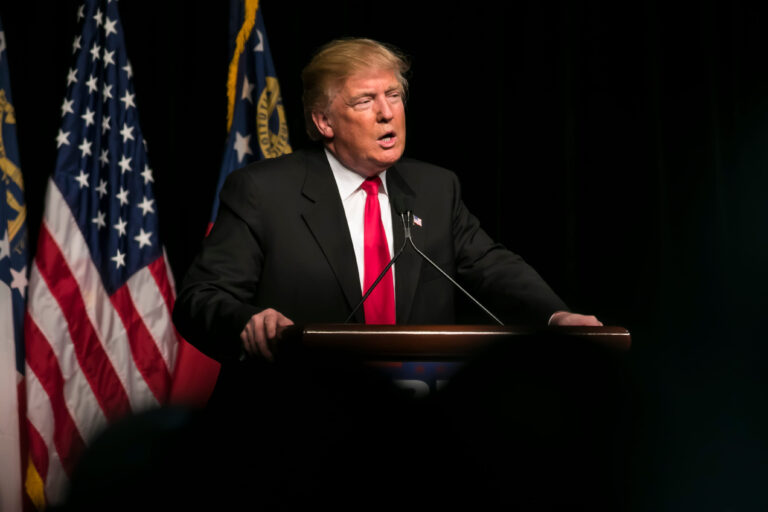
President Donald Trump is making election security the center of America’s political conversation, using the issue to rally Republican voters and frame the national debate ahead of the 2026 midterm elections.
As control of Congress hangs in the balance, Trump and his allies are turning election integrity into a defining campaign message. The president argues that stronger protections are needed to safeguard the voting process, defend against foreign interference, and rebuild public confidence.
Critics, however, say the debate reflects deeper political divisions over trust in American institutions. With campaigns beginning to take shape, election security is emerging as a key issue in the race.
Trump’s Midterm Strategy Focuses on Election Trust
Trump’s renewed emphasis on election security comes as Republicans prepare for a challenging midterm battle. The issue gives the party a way to connect concerns about voting systems, cybersecurity, and government accountability into a broader message aimed at supporters.
Trump has argued that Americans deserve complete confidence that elections are protected from fraud, manipulation, and outside threats. His supporters believe stronger oversight and additional safeguards can help restore faith in the process.
A Familiar Political Battle Returns
Election security has been a central part of Trump’s political message for years, making it a natural focus as the 2026 elections approach. The president and his allies continue to argue that election systems must evolve to address new risks, especially as technology creates new opportunities for interference.
Supporters see the issue as a matter of protecting democracy and ensuring every legitimate vote counts. Opponents argue that political disputes over election security often create unnecessary doubts about the reliability of elections.
Foreign Influence and Cyber Threats Remain Key Concerns

Trump’s focus on election security also highlights concerns about foreign interference and the challenge of protecting modern elections from digital threats.
Government officials and cybersecurity experts have warned for years that hostile actors may attempt to influence American politics through cyberattacks, misinformation, or online campaigns.
Trump argues that the United States must take a stronger approach to identifying and preventing these threats before they affect future elections. The debate now centers on finding the right balance between transparency, national security, and preventing misinformation from spreading.
Republicans See Election Security as a Winning Issue
For Republicans, election security offers a message that combines concerns about national security, government responsibility, and voter confidence. Party leaders believe the issue can motivate supporters who want stricter protections and greater accountability in the election process.
Trump’s allies are expected to make election integrity a major part of campaign speeches and political messaging throughout the midterm season. They argue that protecting elections should be viewed as a basic responsibility of government rather than a partisan issue.
Democrats Push Back on Republican Election Policies

Democrats are expected to challenge the Republican approach by focusing on voter access and defending existing election systems. They argue that election security is important, but policies should not create unnecessary barriers for eligible voters or undermine confidence in the legitimacy of the results.
Democratic leaders have warned that repeated claims of election problems without strong evidence could damage public trust rather than strengthen it. That dispute reflects a larger political divide over whether the biggest threat comes from weaknesses in election systems or from declining faith in democratic institutions.
The Battle Over Public Confidence
At the heart of the election security debate is a larger question about trust. Both parties agree that Americans must believe elections are fair, but they strongly disagree on what actions are needed to achieve that goal.
Republicans argue that stricter rules and oversight will increase confidence, while Democrats say protecting participation and respecting established procedures are the best ways to maintain trust. Taken together, the fight over public confidence may become just as important as the policies themselves as the 2026 campaign unfolds.
Election Security Could Shape the 2026 Midterm

The growing focus on election security suggests that the issue will play a major role in campaign strategies across the country. Republicans are likely to continue framing the issue as a fight for stronger protections and accountability, while Democrats will emphasize safeguarding access and defending existing systems.
Voters will ultimately decide which message resonates more as candidates compete for control of Congress. As the election season continues, the debate is expected to remain one of the most closely watched political battles.