The Fighter Jet Race Is Changing as New Technology Redefines the Future of War
The 2026 Farnborough Airshow is revealing a defense industry transformed by recent conflicts and rapidly changing battlefield demands. For decades, fighter jets were viewed as the ultimate symbol of military power, but modern warfare has forced countries to rethink how to achieve air superiority.
The focus is moving toward a combination of manned aircraft, unmanned systems, precision weapons, and advanced technology designed to operate in more complex environments. As global tensions rise, the race to build the next generation of military capabilities is becoming one of the biggest stories in aerospace.
War Experience Is Changing What Militaries Want From Aircraft
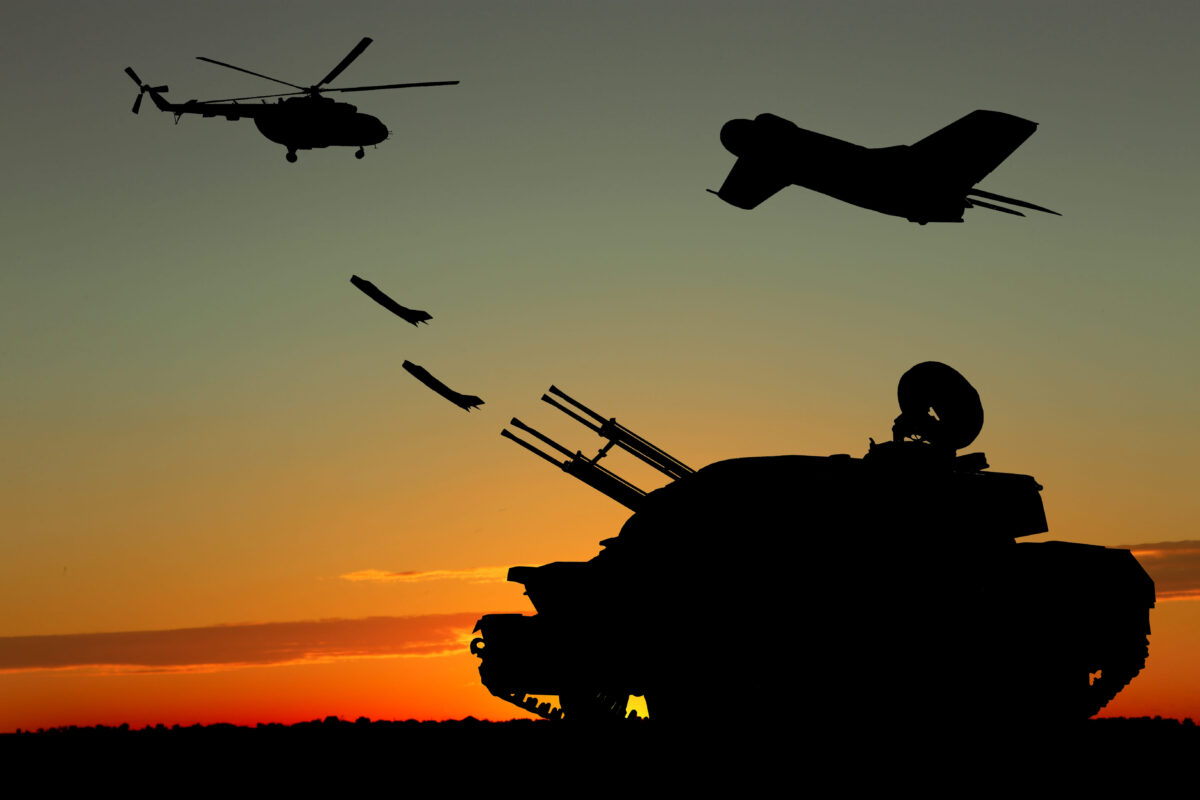
Recent conflicts have reshaped how defense leaders think about air power and battlefield strategy. Instead of relying only on expensive fighter jets, military planners are increasingly looking for flexible systems that can survive against advanced air defenses and operate alongside drones and other technologies.
The lessons from modern warfare have shown that speed, intelligence, and adaptability can be just as important as traditional aircraft performance. This shift is pushing defense companies to create platforms that combine human decision-making with automated systems.
Fighter Jets Remain Powerful but No Longer Fight Alone
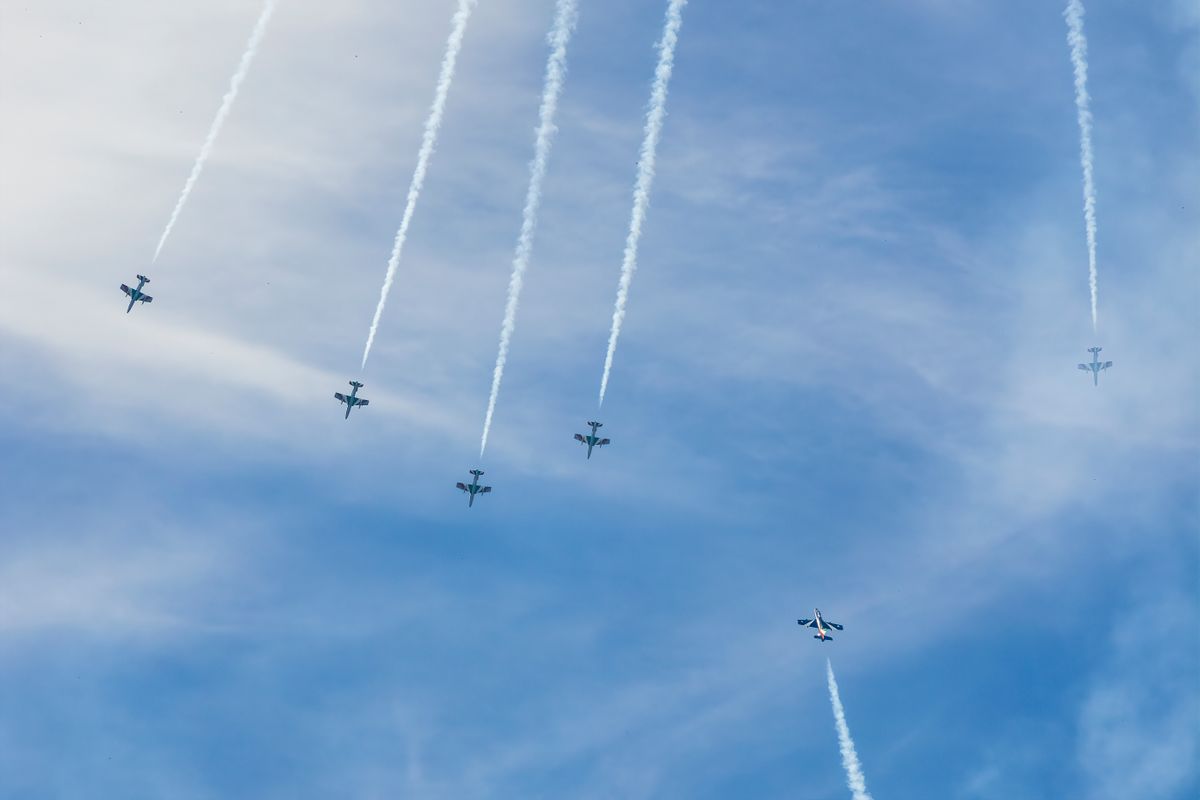
Advanced fighter aircraft continue to play a critical role in modern militaries, but their mission is changing quickly. Countries are investing in aircraft that can share information, coordinate with drones, and strike targets with greater precision than previous generations.
The future fighter jet may not simply be a faster aircraft but rather a command center in the sky connected to a wider network of weapons and sensors. For pilots, the battlefield is becoming less about flying alone and more about managing a complex web of technology.
Drones Are Becoming a Major Force in Military Aviation
The rapid growth of drone technology has changed expectations about how wars are fought. Smaller and cheaper unmanned systems have demonstrated that nations can achieve important military goals without relying entirely on traditional aircraft.
Defense companies are now developing drone platforms designed to support fighter jets, carry weapons, gather intelligence, and perform dangerous missions. The rise of these systems does not mean fighter jets are disappearing, but it does mean future air forces will look very different from those of the past.
The Defense Industry Is Racing Toward Artificial Intelligence
Artificial intelligence has become one of the most important areas of competition in military aviation. AI systems can help analyze battlefield information, improve decision-making, and allow aircraft to respond faster during high-pressure situations.
Defense companies are investing heavily in technologies that could provide pilots with better information while enabling unmanned systems to perform increasingly advanced tasks. The countries that successfully combine human expertise with artificial intelligence may gain a major advantage in future conflicts.
Global Competition Is Driving Military Spending Higher
Growing tensions between major powers are pushing governments to invest more heavily in defense technology. Countries across Europe, Asia, and the Middle East are seeking stronger air capabilities as security concerns rise worldwide.
The demand for advanced aircraft, missiles, and electronic warfare systems has created new opportunities for aerospace companies. The Farnborough Airshow reflects this changing environment, where business deals are increasingly shaped by global security concerns.
The United States Faces a Changing Aerospace Landscape
The United States remains one of the world’s leading military aviation powers, but the changing nature of warfare is creating new challenges. American defense leaders are focusing on maintaining technological advantages while adapting to threats from countries developing advanced aircraft and weapons systems.
The future of U.S. air power will likely depend on combining existing strengths with new technologies such as autonomous systems and advanced communication networks. The competition is no longer only about building the most powerful aircraft but about creating the smartest and most connected military force.
Expensive Jets Face New Questions About the Future
The rising cost of advanced fighter programs has sparked debate about how nations should invest limited defense budgets. While high-performance aircraft remain valuable, recent conflicts have shown that affordable drones and precision weapons can have a major impact on the battlefield.
Military planners are now weighing whether a smaller number of extremely expensive aircraft is the best approach or whether a larger mix of cheaper systems provides greater flexibility. This debate is likely to influence defense decisions for years to come.
Farnborough Shows a New Era of Aerospace Competition
The 2026 Farnborough Airshow is more than a showcase of impressive aircraft and cutting-edge technology. It represents a turning point in how nations think about military power, with the focus shifting from individual machines to interconnected systems that work together.
The companies that succeed will likely be those that can deliver technology capable of adapting to unpredictable conflicts. The future of aviation is being shaped by a combination of innovation, competition, and the lessons learned from today’s battlefields.