Judge Forces Virginia County to Remove Confederate School Names Again, Reviving America’s Battle Over History
A school name became the center of a national debate when a federal judge ordered a Virginia county to remove Confederate-era names that officials had restored less than two years earlier.
The ruling in Shenandoah County is not just about changing signs outside two schools. It is about a much bigger question facing communities across America: Who gets to decide which parts of history deserve a place in public institutions?
For students walking through those school doors every morning, the names attached to their buildings are not distant historical arguments. They appear on announcements, sports schedules, graduation materials, and community events. The legal fight has turned ordinary school buildings into symbols of one of the country’s most unresolved debates over race, memory, and identity.
A Four-Year Reversal Ends With Another Name Change
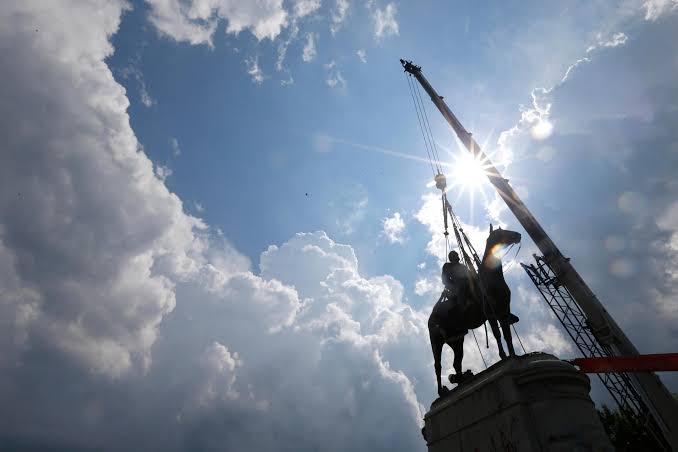
The dispute centers on two Shenandoah County schools that became part of Virginia’s wider debate over Confederate symbols: Stonewall Jackson High School and Ashby-Lee Elementary School.
The names were removed in 2020 after the school board voted during a period when communities across the country were reconsidering monuments, buildings, and institutions connected to Confederate figures. That movement gained momentum following nationwide protests over racial injustice and renewed discussions about how public spaces should reflect modern values.
But in 2024, a new school board reversed that decision and restored the Confederate-linked names. Supporters described the move as a correction of what they believed was an unfair attempt to erase local history.
The reversal immediately reignited controversy, creating a rare situation where the same schools carried different identities within a few years. What had once been a local school board decision became a legal battle watched by communities across the country.
The Court Battle Was About More Than Historical Names
The lawsuit challenging the restored names argued that the issue was not simply about history but about the environment students experience every day.
The Virginia NAACP supported the legal challenge, arguing that restoring names connected to Confederate leaders sent a harmful message to Black students and created an unequal educational experience.
Federal Judge Michael Urbanski agreed that the school board’s decision crossed a legal line. The court found that the restored names violated protections under the 14th Amendment and the Equal Educational Opportunities Act, which require schools to provide equal access and treatment for students.
The ruling focused on the impact of the names rather than only the intentions behind them. The court’s message was clear: public schools do not operate in isolation from history, and the symbols they choose can influence how students experience belonging and inclusion.
A Name on a Building Can Become a Daily Message
For many people, a school name may seem like a simple administrative choice. But for students, it becomes part of their daily identity.
A school name appears on diplomas, sports jerseys, yearbooks, and memories created during childhood. That is why debates over school names often become emotionally charged. They are not only arguments about the past but also about what communities want future generations to see when they enter a classroom.
Supporters of removing Confederate names argue that public schools should not honor individuals who fought for a government built around preserving slavery. They believe schools should represent values of equality and opportunity.
Those who support keeping such names argue that historical figures should be viewed within their full context and that removing names can create a simplified version of the past. They say communities should have the right to preserve connections to local history.
The Virginia case sits directly at the intersection of those competing views.
Virginia Remains Ground Zero in America’s Memory Debate
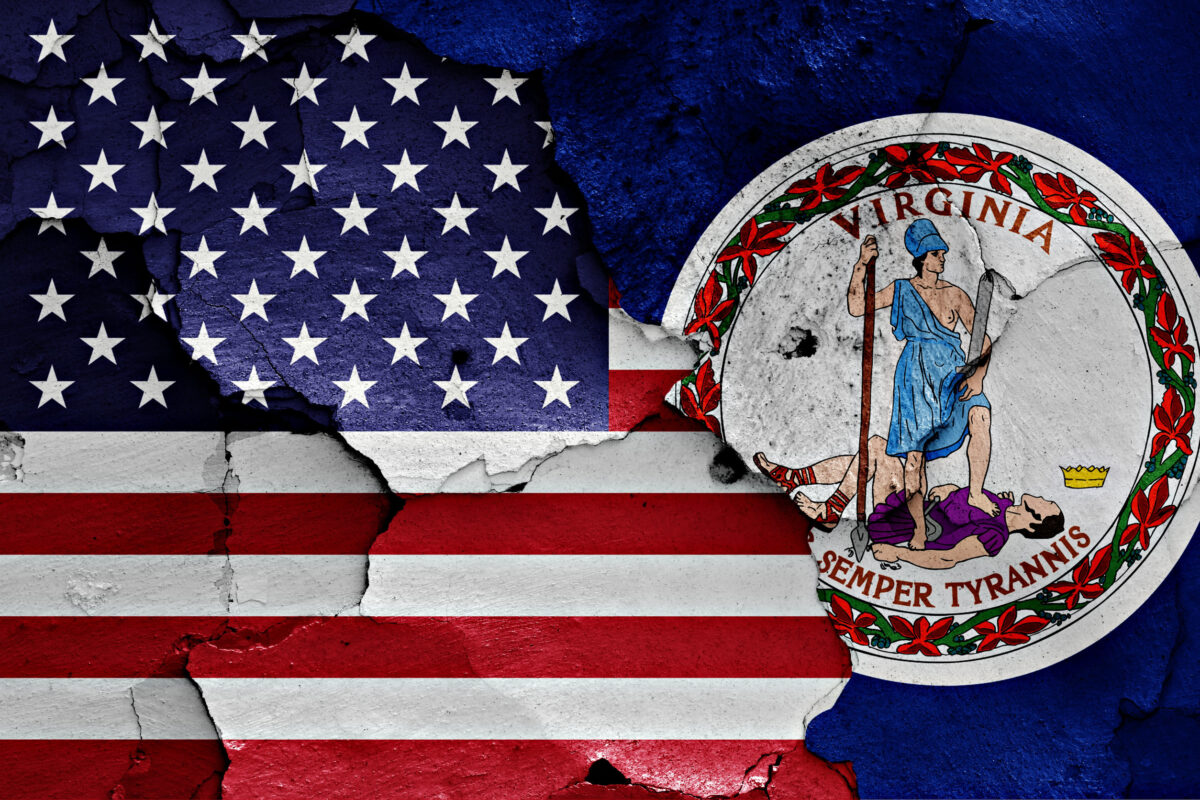
Virginia has repeatedly found itself at the center of America’s ongoing conversation about Confederate history.
As the capital of the Confederacy during the Civil War, the state has faced difficult decisions about monuments, military names, public buildings, and educational institutions connected to that era.
The Shenandoah County dispute follows similar battles across the country, where communities have debated whether Confederate references represent historical recognition or symbols of exclusion.
The disagreement reflects a broader national struggle over historical memory. Across America, residents are asking difficult questions: Should public spaces preserve names connected to controversial figures? Can communities honor history without honoring the individuals behind it? And who should have the final authority when communities disagree?
Local Voices Clash With Federal Oversight
One of the most significant parts of the case is the tension between local control and federal civil rights protections.
Supporters of the restored names argue that elected school boards should have the authority to make decisions for their communities. They believe residents who live in the area should determine how local history is represented.
Opponents argue that public institutions have responsibilities beyond local preference. They say school decisions must consider whether all students feel equally valued and represented.
The conflict raises a difficult constitutional question: how far can local decision-making go when a community decision affects the experiences and rights of minority students?
That question extends far beyond Shenandoah County and could influence future disputes involving school names and public symbols.
The Decision Could Shape Future School Name Battles
The federal ruling may force Shenandoah County to change the names again, but the larger debate is unlikely to disappear.
Communities across the United States continue to wrestle with similar questions about monuments, historical figures, and public recognition. Each decision becomes part of a larger national conversation about how America remembers its past while deciding what values should guide its future.
The Shenandoah County case shows that history is not only found in textbooks and museums. It exists on street signs, school buildings, and community landmarks.
For some residents, changing a name feels like removing a connection to history. For others, keeping that name feels like preserving a symbol that should no longer represent a place where every student is expected to feel welcome.
The battle over two Virginia schools has become a much larger fight over a simple but powerful idea: what a name means, who it represents, and what message it sends to the next generation.