Honey in Everything? Your Taste Buds May Be Happier Than You Think
A little honey can make an ordinary meal taste like you actually planned it.
Honey has a funny way of making food feel more complete. Drizzle it over warm toast, stir it into tea, brush it onto roasted vegetables or mix it into a dressing, and suddenly the same ingredients seem more interesting. That is partly because honey is more than simple sweetness: its flavor and aroma can change dramatically depending on the flowers bees visit.
And that is where things get fun. Honey can taste floral, fruity, citrusy, earthy, nutty, spicy, or even caramel-like, so two jars sitting side by side can behave like completely different ingredients. The surprising superfoods you already keep around may suddenly have a very different personality when a little honey joins them.
Why Honey Makes Ordinary Food Taste Better
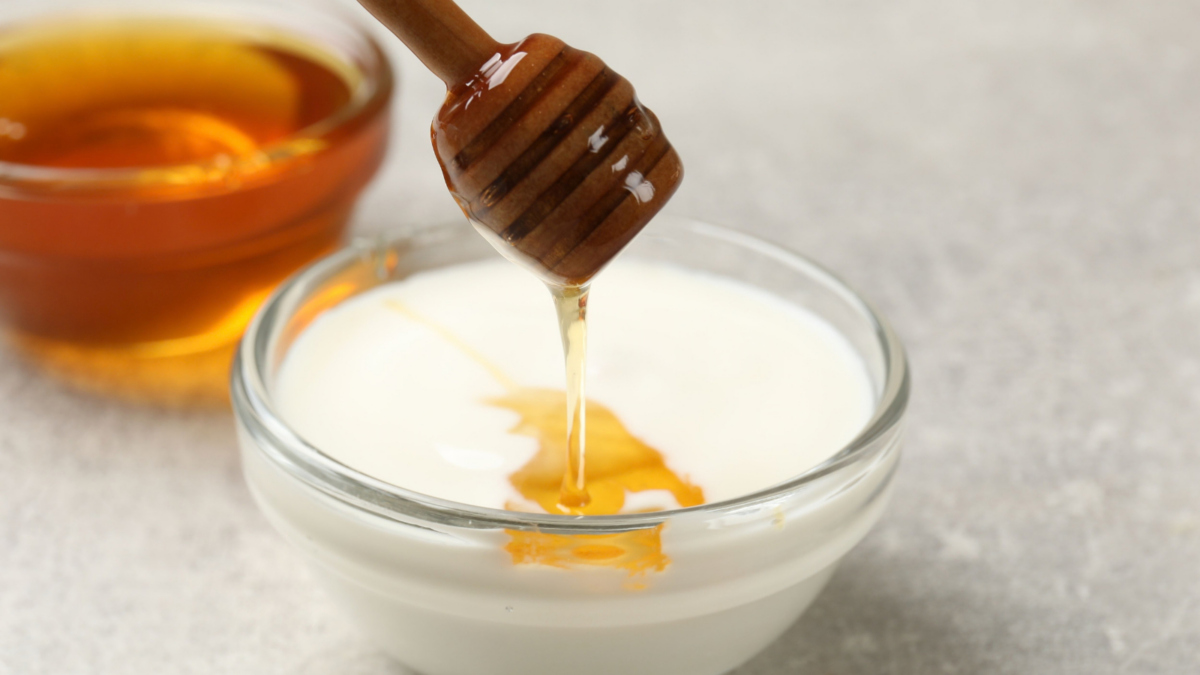
The trick isn’t simply making food sweeter; it’s creating contrast.
Think about plain Greek yogurt. It’s creamy and slightly tangy, but a spoonful of honey adds sweetness while giving that tanginess somewhere to go. The same thing happens with sharp cheeses, roasted vegetables, and fruit: honey can soften aggressive flavors while making other flavors stand out.
Flavor itself is more complicated than what happens on the tongue. Scientists describe our experience of flavor as a combination of taste, aroma, texture, and other sensations, which explains why a honey drizzle can seem much more interesting than its sweetness alone would suggest.
This is also why the kind of honey matters. The USDA notes that honey’s flavor and aroma are linked to its plant source, while different floral sources can produce remarkably different sensory profiles.
Honey Doesn’t Belong Only in Desserts
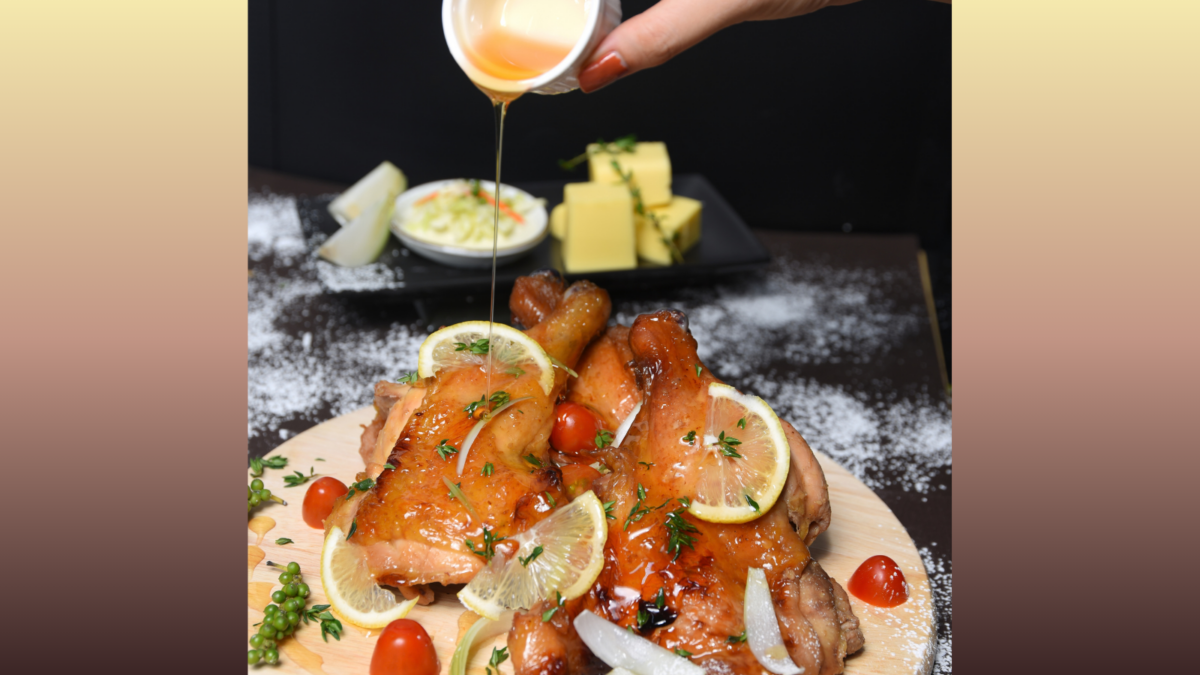
Some of honey’s best appearances happen nowhere near the dessert table.
Try it on roasted carrots with a little vinegar, over crispy sweet potatoes, or whisked into a mustard dressing. Honey works particularly well when something salty, bitter, sour, or earthy needs a small counterweight; even a simple roasted vegetable dish can become much more layered with that sweet-and-tangy combination. BBC Good Food, for example, uses honey with roasted vegetables, vinegar and feta in a savory salad.
It can also bring balance to meat. A honey glaze on chicken or pork develops a glossy, browned exterior as the sugars cook. At the same time, a touch of chili, garlic, mustard or vinegar keeps the result from becoming one-dimensional.
And don’t overlook breakfast. Honey stirred into oatmeal, spread over peanut butter toast, or drizzled over fruit and yogurt can turn something routine into a treat. A few simple breakfast habits can be surprisingly satisfying when the food itself gives you something to look forward to.
The Honey You Buy Can Change the Whole Experience
That golden bottle on your counter may not taste the same as the next one.
Light-colored honey is often milder, while darker varieties can have stronger, more robust flavors, though color alone doesn’t tell the whole story. The floral source is a major reason honey can range from delicate and floral to earthy, spicy, or nutty.
That makes honey surprisingly useful for experimenting. A delicate honey might disappear beautifully into tea or yogurt, while a stronger buckwheat or eucalyptus honey can hold its own against bold cheese, roasted vegetables, or hearty breads. You don’t have to become a honey expert; just tasting two different varieties side by side can make the difference obvious.
Humans Have Loved This Stuff for Thousands of Years
Honey isn’t having a modern food moment—it’s been stealing the show for a long time.
Archaeological evidence shows humans used bee products thousands of years ago. Chemical traces on ancient pottery indicate people used honeybee products as far back as around 7,000 B.C. in Anatolia. At the same time, rock art in Spain depicts honey gathering thousands of years ago.
The ancient Maya also cultivated stingless bees and used their honey for food, rituals, and medicine. That long relationship makes today’s squeeze bottle look almost comically modern compared with the enormous history behind one spoonful.
Related: 10 Essential Breakfast Foods Your Body Might Be Missing
Maybe Honey Deserves a Permanent Place at the Table
The real magic is how little you need to make a difference.
You don’t have to pour honey over everything to appreciate it. Sometimes half a teaspoon in a dressing, a thin drizzle over cheese, or a small spoonful stirred into something tart is enough to wake up the entire plate.
Honey works because it gives food another dimension without demanding that the original ingredients disappear. And once you start noticing how different honeys behave, that little jar stops being just a sweetener and becomes one of those kitchen ingredients that makes everyday meals more interesting.
Would you rather use honey on something savory like roasted vegetables and cheese, or keep it for breakfast, tea, and dessert?