7 Old-Fashioned Donuts That Taste Better Than Anything From a Drive-Thru
There’s a specific kind of disappointment that comes from biting into a gas-station donut: a little stale, a little too sweet, mostly just air and glaze with nothing underneath. It’s become so normalized that many people have genuinely forgotten what a donut is supposed to taste like.
Donuts weren’t always this way. For most of their history in America, they weren’t a drive-thru impulse buy. They were a home kitchen project, something fried in a cast iron pan on a Saturday morning, filling the whole house with the smell of hot oil and cinnamon long before anyone thought to put them on a conveyor belt and ship them out by the thousands. That version of the donut still exists; it’s just been buried under decades of mass production. These seven styles trace a direct line back to it, each built on real technique rather than a shortcut, and each worth knowing the next time you’re standing in front of a bakery case trying to figure out what separates one ring of fried dough from another.
The Classic Cake Donut
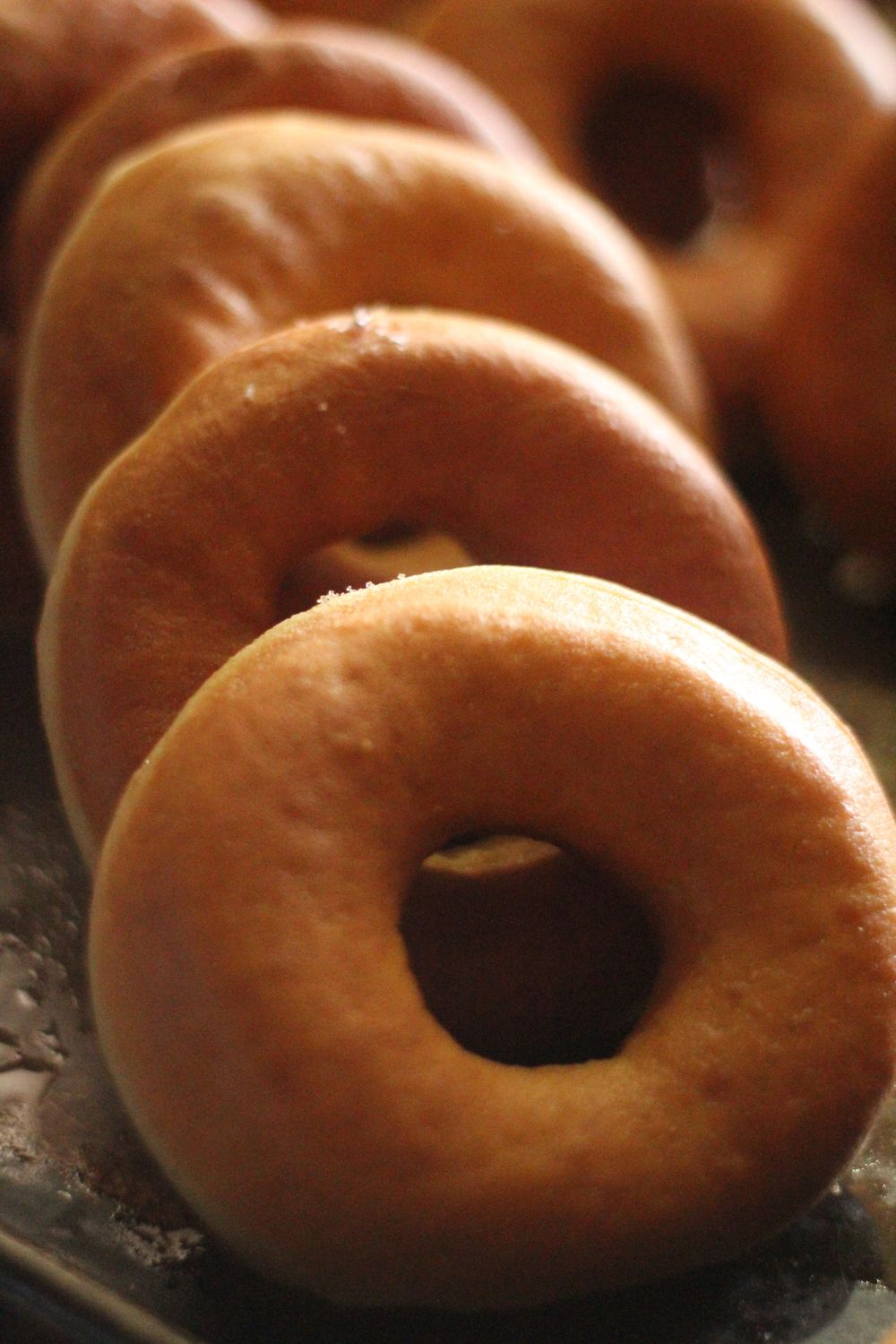
Cake donuts are leavened with baking powder instead of yeast, which means there’s no waiting for dough to rise- mix, cut, fry. That makes them the most forgiving starting point for anyone exploring homemade donuts, and it’s exactly why they became the default version sold in American diners and bakeries for generations. The texture is dense and slightly crumbly, closer to a muffin than bread, which is why they hold a glaze so well without getting soggy underneath.
The True Old-Fashioned Donut
This is the one that actually earned the name, and it’s older than most people assume. According to the Bathroom Readers’ Institute’s history of doughnuts, the Old Fashioned donut has been around since the 1820s, shaped into a ring with tapered edges and getting its distinctive craggy texture from sour cream or buttermilk worked into the batter. Those cracks aren’t a flaw; they separate a genuine Old Fashioned from an ordinary cake donut, catching extra glaze in every crevice as it fries and giving each bite a slightly different ratio of crisp edge to soft center.
Related:10 Delicious Cheese Types Perfect for Boards and Cooking
Yeast-Raised Glazed Donuts
Unlike cake donuts, yeast-raised versions require real patience: a proofed dough, a slow rise, and careful attention to oil temperature so the outside turns golden before the inside finishes cooking. The payoff is a donut that’s airy and pillowy rather than dense, the kind that nearly dissolves with the first bite once it’s dipped in a simple sugar glaze while still warm. It’s the version most people picture when they hear the word “classic,” and the extra time it takes is exactly why a fresh one tastes so different from a mass-produced version that’s been sitting under a heat lamp for hours.

French Crullers
Made from pâte à choux, the same dough used for eclairs and cream puffs, French crullers are piped into rings before frying, giving them their signature ridged shape and a texture closer to light, eggy pastry than bread. They’re noticeably more advanced than the others on this list. Still, a properly made cruller, crisp outside, hollow and custardy inside, is one of the most distinctive things a home fryer can produce, and it barely resembles a typical donut once you actually taste one.
Jelly-Filled Bismarck Donuts
Named after the German city, Bismarcks are yeast-raised donuts fried whole, without a hole, then injected with jam or custard after cooking rather than being filled before frying. That cooking order matters: frying the dough solid first keeps the filling fresh and distinct instead of seeping into the dough, the difference between a clean bite and a sticky mess down your wrist.
Apple Cider Donuts
A fall-specific tradition rooted in New England orchard culture, apple cider donuts get their flavor from cider reduced down and worked directly into cake donut batter, then finished with a cinnamon-sugar coating while still warm. The reduction step separates a real cider donut from one that tastes like a regular cake donut with a hint of apple, concentrating the cider’s flavor enough that it actually comes through after frying rather than getting lost in the heat of the oil.
Potato Donuts
This older American variation folds mashed potato into the dough, a trick that traces back to Dutch settlers’ earliest fried-dough traditions in New York. According to etymonline’s history of the word “donut”, the pastry traces to Dutch olykoek, “oil cake,” brought to America and documented as early as 1809 by Washington Irving, who described early versions as balls of sweetened dough fried in hog’s fat. Potato donuts carry a noticeably more tender, moist crumb than a standard cake donut, since the starch in the potato holds onto extra moisture during frying.
The Hole in the Story
The ring shape most people picture when they think “donut” has its own origin story, and it’s older than most people assume. One frequently cited account credits a sailor named Hanson Gregory with punching a hole through the center of a fried dough ball in 1849 while working aboard a lime-trading ship, solving the common problem of a raw, undercooked center by letting hot oil reach all the way through. Whether or not that exact story holds up in every detail, as is often the case with old food lore, it’s become part of the donut’s identity regardless, and it’s a big part of why ring-shaped donuts fry more evenly than solid ones even today.
What a Drive-Thru Can’t Replicate
A cake donut takes real attention to oil temperature. A yeast-raised donut takes real patience. A cruller takes real technique. None of these seven are as fast as a drive-thru run, and that’s the entire appeal: a texture and flavor that’s genuinely fresh, made minutes before it’s eaten rather than hours or days earlier on an assembly line somewhere out of sight. There’s a reason bakeries that still make donuts this way, from scratch, by hand, tend to build loyal followings that outlast every trendy flavor that comes and goes around them.
For anyone willing to put in a Saturday morning, these seven are a direct line back to what a donut tasted like before it became a convenience food, dense, craggy, custardy or cider-soaked, built by hand rather than a machine.