10 Kitchen Essentials That Make Classic Recipes Easier to Prepare
Picture the last time a recipe genuinely fought you. Maybe the sauce broke because you didn’t have a thermometer to track the temperature. Maybe dinner came out lopsided because “medium-high heat” in a flimsy pan meant something different than it did in the recipe writer’s kitchen. Most cooking disasters aren’t really about skill. They’re about not having the right tool in hand at the exact moment it mattered.
That’s the real secret behind people who seem to cook effortlessly: it’s rarely talent alone. It’s usually a short list of reliable, well-chosen tools that quietly remove the guesswork from classic recipes, the ones your grandmother made without a second thought because she had the right equipment and decades of muscle memory working in her favor. These ten tools won’t replace the muscle memory, but they’ll close the gap considerably faster than winging it with whatever’s already in the drawer.
A Dutch Oven
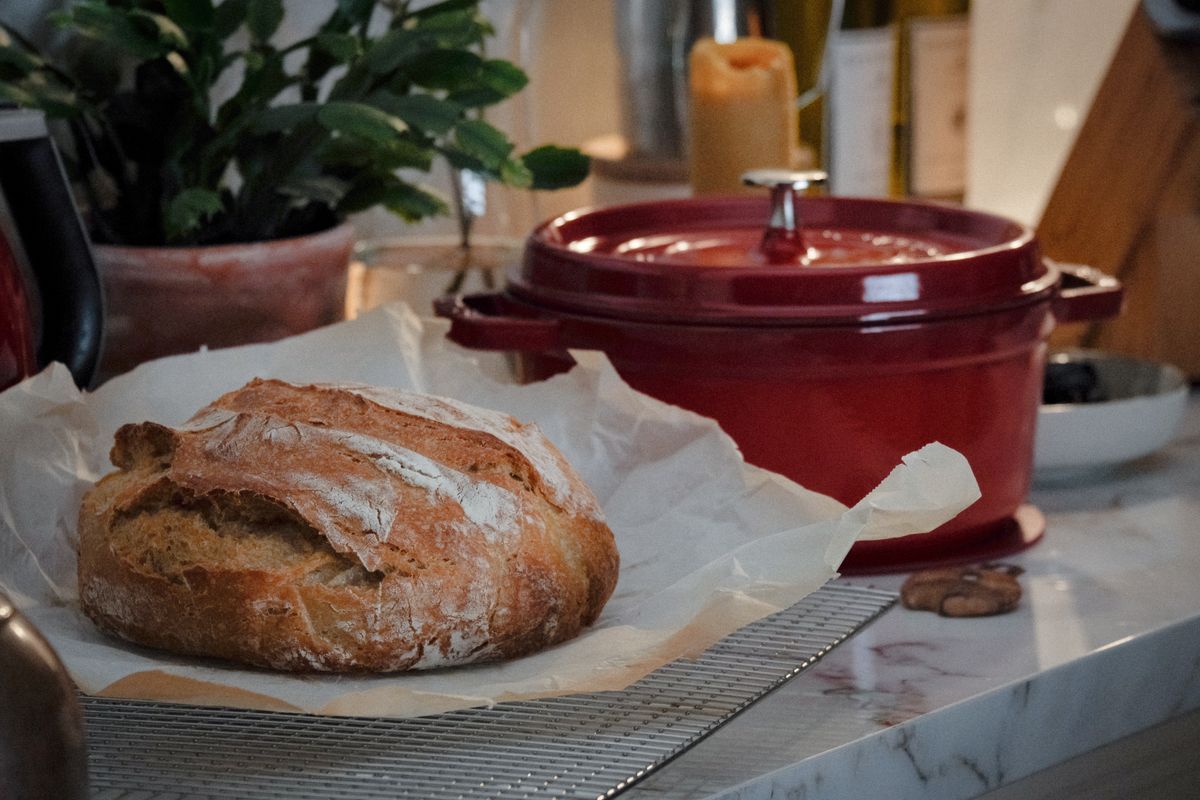
Few tools do as much heavy lifting as a Dutch oven. It goes from stovetop searing straight into the oven for braising, making it the single piece of equipment behind classics like coq au vin, French onion soup, or a Sunday pot roast.
According to The Daily Meal’s history of the Dutch oven, the design traces back to British industrialist Abraham Darby in the early 1700s, and the pot became such a staple of American cooking that explorers Meriwether Lewis and William Clark reportedly carried one on their expeditions.
For most home kitchens, a 5- to 7-quart size is the real workhorse, large enough for a whole chicken or a big batch of stew, small enough actually to fit in a standard oven alongside other dishes. The technique that matters most: sear meat in batches rather than crowding the pot, since overcrowding drops the pan’s temperature and steams the meat instead of browning it.
An Instant-Read Thermometer
Guessing whether meat is done by cutting into it and hoping for the best is one of the most common reasons home-cooked chicken, pork, or steak ends up over- or undercooked. A thermometer removes the guesswork entirely, turning “I think it’s probably done” into an actual number you can trust.
For a classic roast chicken, that means pulling it at 165 degrees Fahrenheit in the thickest part of the thigh, not the breast, where it cooks faster and reads artificially high. For a medium-rare steak like steak au poivre, that’s 130 to 135 degrees before a short rest. Buy a model with a thin probe tip and a readout under 10 seconds; the cheap, slow ones defeat the entire purpose.
A Box Grater
Underrated and overlooked, a sturdy box grater handles cheese, vegetables, and citrus zest with a versatility that’s easy to take for granted until it’s missing. A classic Caesar salad or fettuccine Alfredo depends on freshly grated Parmesan rather than the pre-shredded bag, since fresh cheese melts and emulsifies into a sauce in a way the anti-caking powder on bagged cheese can’t replicate.
The trick most people miss: grate cold cheese, not room-temperature; it holds its shape against the blades instead of turning into a greasy paste.
A Real Chef’s Knife
One genuinely sharp, well-balanced chef’s knife does more for a classic recipe than an entire block of mismatched blades. An 8-inch knife is the standard size for most home cooking, substantial enough for breaking down a chicken, precise enough for fine mincing.
The difference a sharp blade makes shows up most clearly in something like a classic mirepoix for a braise or stock; even dice means even cooking, while a dull knife crushes cell walls instead of slicing through them, releasing excess moisture and dulling flavor before the ingredients even hit the pan.
Related: 16 Kitchen Organization Ideas to Help You Declutter Your Space
A Stand Mixer
For anyone who regularly bakes classic recipes, bread doughs, cookie batters, whipped buttercream, a stand mixer earns its counter space fast. A brioche or challah dough, for instance, needs 8 to 10 minutes of continuous kneading to develop proper gluten structure, a task that’s genuinely punishing by hand but effortless with a dough hook attachment running on low.
The other underused attachment worth knowing: a whisk on medium-high turns egg whites into stiff peaks for a classic soufflé in roughly half the time a hand whisk takes, with far more consistent volume.
A Digital Kitchen Scale
Classic baking recipes, especially ones adapted from European cookbooks, were often written with weight measurements in mind, not cups. A loaf of French bread, for example, depends on a precise flour-to-water ratio, called hydration, to develop the right crumb and crust. Scooping flour by volume can throw you off by 20 percent or more, depending on how packed the cup is, which throws that ratio off entirely.
A scale accurate to one gram removes that variable completely, and it’s the single easiest upgrade for anyone whose baked goods come out inconsistent from one attempt to the next.
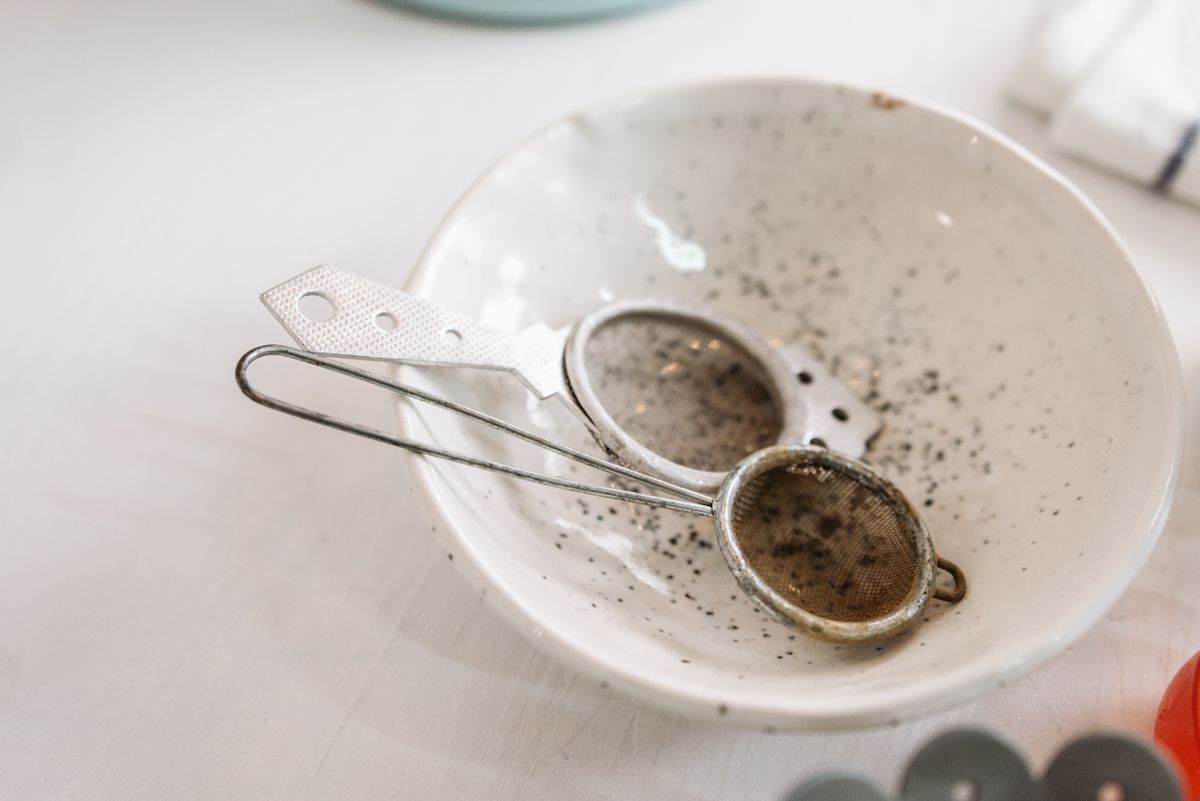
A Fine-Mesh Sieve
Beyond straining pasta, a fine-mesh sieve handles sifting dry ingredients for a classic cake, rinsing grains like rice or quinoa until the water runs clear, and rescuing a lumpy gravy or béchamel at the last second by straining out any flour clumps before serving.
Look for one with a sturdy metal frame rather than a flimsy handle, since pressing a sauce through mesh under pressure will bend a cheap one within a few uses.
A Rolling Pin
For pie crusts, cookie dough, and homemade pasta, a classic rolling pin remains one of the simplest, most essential tools for recipes that depend on even, consistent thickness. A French-style tapered pin, without handles, actually gives more control for delicate tasks like rolling out a pâte brisée pie dough evenly from the center outward, since you can feel where the dough is thicker and adjust pressure accordingly.
The classic mistake: rolling dough that’s too warm. Chilling pie dough for some minutes before rolling keeps the butter solid, which creates flaky layers instead of a dense, tough crust.
A Cast Iron Skillet
Heavy, nearly indestructible, and able to go from stovetop to oven without a second thought, a well-seasoned cast iron skillet handles everything from a properly seared steak to classic skillet cornbread with a crisp, almost fried bottom crust that a nonstick pan can’t produce.
Why it sears better than most other pans: cast iron holds heat far more evenly once it’s fully preheated, so the pan doesn’t cool the instant food hits it the way thinner stainless pans often do.
A Mortar and Pestle
For recipes built around fresh herb pastes, crushed spices, or a proper pesto genovese, a mortar and pestle releases oils and flavors a food processor simply can’t replicate. Crushing basil, pine nuts, and garlic by hand bruises the leaves rather than shredding them, which keeps the pesto from oxidizing and turning dull and brown as quickly.
Look for an unglazed stone mortar rather than wood; wood absorbs oils and lingering flavors from whatever was ground in it last, which can carry over into the next dish whether you want it there or not.
Why the Right Tool Changes Everything
None of these ten items are flashy, and that’s really the point. What separates a kitchen that produces classic recipes with real consistency from one that struggles isn’t a longer ingredient list or a more ambitious menu. It’s having the right tool for the job: a thermometer instead of a guess, a Dutch oven instead of a thin pot that scorches, a scale instead of an inconsistent cup measurement.
Classic recipes earned their reputation over generations precisely because cooks had the right equipment to execute them reliably. Stock a kitchen with these ten essentials, and many recipes that once felt intimidating start to feel, quite simply, doable.