10 Classic Diner Dishes That Are Getting Harder to Find
For generations, the American diner promised culinary certainty: coffee in a thick mug, eggs at almost any hour, burgers from the griddle, and a long menu packed with inexpensive comfort food. The format grew from late-19th-century lunch wagons and peaked in the 1950s, when the United States had roughly 6,000 diners, according to Smithsonian Magazine.
Diners aren’t disappearing, and nostalgia is a major restaurant trend in 2026. But menus are changing. The National Restaurant Association reports that restaurant expenses are 36 percent higher than in 2019. In separate 2026 industry research, 60 percent of full-service operators said they had removed items from their menus as they dealt with elevated food costs and other pressures.
That helps explain why some once-familiar plates are no longer guaranteed to be seen. These 10 dishes still exist, sometimes at beloved local holdouts, but they are much less common than the burgers, omelets, and pancakes that define many modern diner menus.
Liver and Onions
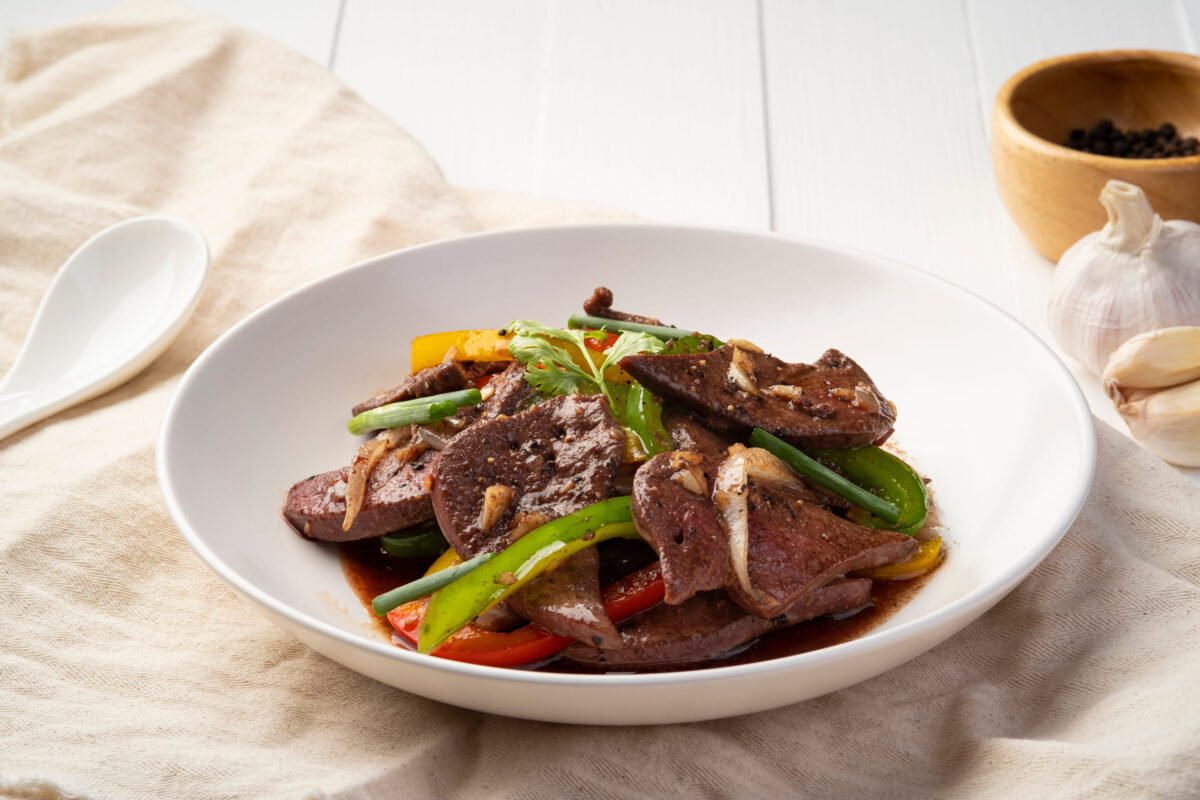
Few dishes signal an old-school diner menu quite like liver and onions. The basic plate pairs grilled or fried liver with sautéed onions, sometimes with bacon. Vintage diner menus carried versions of it through the World War II era and into the 1960s.
Today, it is more of a specialty than a standard. Recent restaurant coverage has noted how difficult the dish can be to find, even at large chains. It has not vanished, but liver is clearly less mainstream than steak, chicken, or burgers.
Creamed Chipped Beef on Toast
Creamed chipped beef is one of those dishes with a history longer than its modern footprint. Thin pieces of dried beef are stirred into a cream sauce and spooned over toast.
The meal has deep ties to the U.S. military. A recipe appeared in the 1910 Manual for Army Cooks, and the dish became familiar to generations of service members. It later appeared on diner and family-restaurant breakfast menus.
Today, diner-style chains that once carried it have removed it, although some independent restaurants still keep the tradition alive.
Salisbury Steak
Salisbury steak looks like a hamburger patty dressed for dinner. It is typically made from seasoned ground beef and served with gravy, often alongside mashed potatoes or vegetables.
The dish takes its name from physician James H. Salisbury, whose ideas about chopped beef date to the 19th century. It later became strongly associated with mid-20th-century comfort food and the TV-dinner boom.
It survives, but it is no longer a guaranteed feature of a diner dinner menu.
Chicken à la King
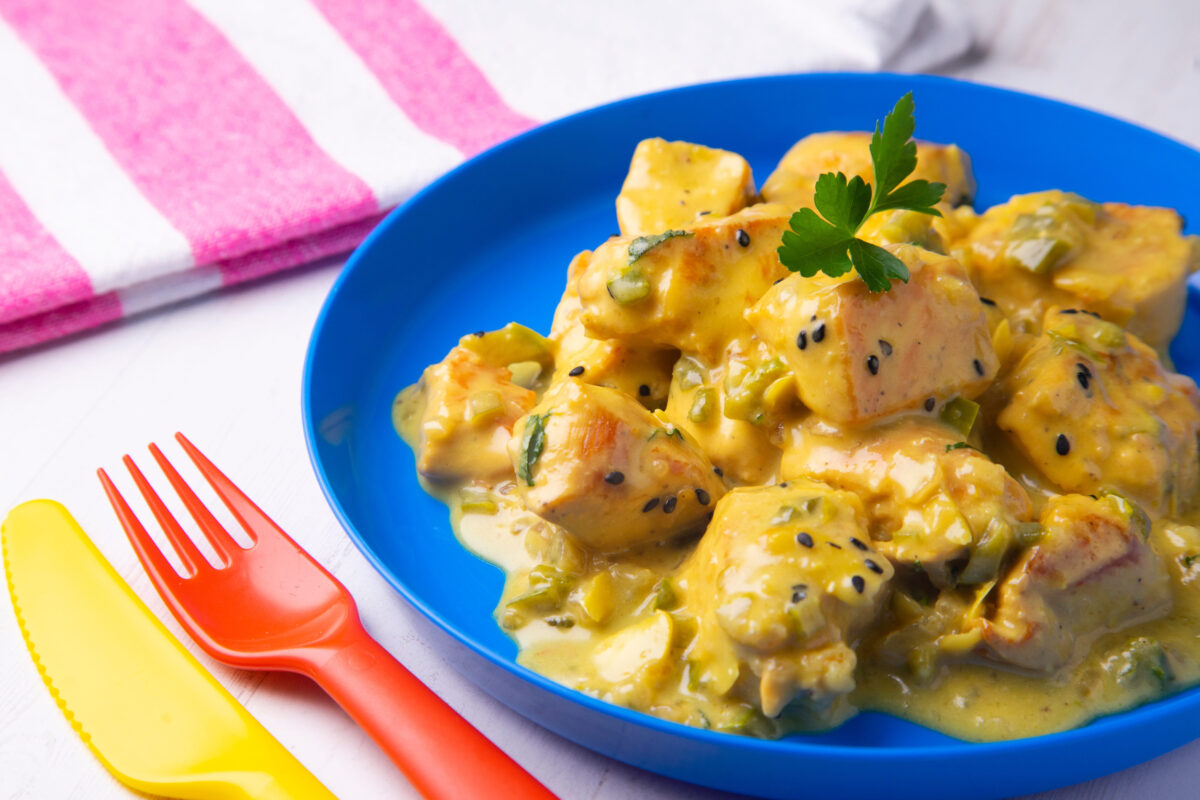
Chicken à la King was once familiar in home kitchens and restaurants. The classic preparation combines chicken and mushrooms in a creamy sauce and is commonly served over toast, pastry, rice, or noodles.
By the 1950s and 1960s, the dish appeared on restaurant and diner menus across the country. One documented 1963 diner menu even offered it with toast points.
Today, it is more likely to appear as a nostalgic special, regional favorite, or home recipe than a standard diner entrée.
Milk Toast
Milk toast is exactly what it sounds like: toasted bread served with warm milk, often sweetened with sugar or cinnamon.
It was a simple comfort food during the late 19th and early 20th centuries, and some diners offered it alongside breakfast choices such as cinnamon toast and French toast.
These days, spotting it on a restaurant menu is unusual. Cereal, oatmeal, pancakes, and breakfast sandwiches have largely taken over the quick-breakfast role that dishes like milk toast once filled.
Related article: 8-pantry-and-fridge-staples-that-offer-calcium-beyond-milk/
Sardine Sandwiches
Before tuna became the more familiar canned-fish sandwich filling, sardines had a visible place on American menus.
Diners in the 1930s and 1940s served sardine sandwiches, sometimes with simple additions such as mustard, onion, or lettuce. Sardines were inexpensive, shelf-stable, and widely consumed.
Canned fish has attracted renewed interest in recent years, but the traditional sardine sandwich has not returned as a typical diner fixture. Today, sardines are more likely to appear in specialty cafes or cuisines where preserved fish remains central.
Turkey Devonshire
Turkey Devonshire is a regional classic with roots in Pittsburgh. The open-faced sandwich was created there in the 1930s and traditionally layers toast with turkey, bacon, tomato, and a rich cheese sauce.
By the 1960s and 1970s, versions had spread to late-night diners around Pittsburgh. It was hearty and perfectly suited to the knife-and-fork sandwich tradition.
It remains available at some western Pennsylvania restaurants, but outside its home region it is increasingly unfamiliar.
Wheatcakes
Pancakes are still diner royalty. Wheatcakes, however, tell a different story.
Early and mid-20th-century menus sometimes used the term for pancakes made with whole-wheat flour, occasionally with molasses. Some vintage diner menus devoted an entire section to wheatcakes, offering them with eggs, ham, bacon, or sausage.
Whole-grain pancakes still exist, but the word “wheatcakes” has largely disappeared from everyday restaurant language. Modern menus are more likely to advertise buttermilk, protein, gluten-free, or flavored pancakes.
Cottage Cheese “Diet Plates”
Mid-century diners often had sections aimed at customers watching calories, and cottage cheese appeared everywhere. A burger patty, sliced roast beef, fruit, or steak could arrive beside a scoop of cottage cheese instead of fries or potatoes.
Vintage Denny’s menus from the 1960s and 1970s included combinations such as peach with cottage cheese and meat served alongside cottage cheese.
Cottage cheese itself has made a comeback. What has largely faded is the old diner “diet plate” format, with plain protein, fruit, and a cottage-cheese scoop.
Jellied Waldorf Salad
A jellied Waldorf salad sounds unusual today, but gelatin-based salads were once firmly embedded in American food culture.
In the 1930s, diners served molded gelatin dishes with ingredients such as apples, celery, and nuts. They belonged to an era when savory gelatin salads were common in both homes and restaurants.
That fashion did not last. Modern diner salads usually center on tossed greens, chef salads, Caesar salads, or grilled proteins. A molded Waldorf salad is now more of a historical curiosity than a lunch-counter regular.
Why These Dishes Matter
A menu item rarely disappears for a single reason. Tastes change, ingredients cost more, kitchens simplify, and restaurants make room for dishes that appeal to broader audiences. Industry data show the pressure operators face: food and labor costs remain elevated, while restaurants keep looking for ways to make their menus and kitchens more efficient.
2026 brings an interesting twist. Nostalgia and comfort food rank among the restaurant industry’s biggest trends. Familiar foods, value, and comforting flavors are shaping menus again.
That could give a few forgotten classics another chance.
For now, though, finding liver and onions, creamed chipped beef, or a proper Turkey Devonshire may require knowing the right old diner, neighborhood restaurant, or regional institution.
And that may be part of their appeal. They are no longer just lunch. They are edible pieces of American restaurant history.
Other articles you may like:
– kitchen-items-to-declutter-today-before-they-take-over-your-home/
– common-kitchenware-items-you-should-never-clean-in-the-dishwasher/
– 6-kitchen-storage-habits-that-are-quietly-shrinking-your-small-kitchen/