Dangerous Heat Wave Explodes Across America as 100°F+ Temperatures, Record Nights and Health Risks Spread.
A massive heat dome is tightening its grip across the United States, with more than 90 temperature records at risk, triple-digit heat threatening multiple states, and millions of Americans facing dangerous conditions that could last more than a week.
A dangerous summer heat wave is spreading across large parts of the United States as a powerful area of high pressure traps hot air over the West, Northern Plains, and parts of the Midwest. Forecasters warn that temperatures in some regions could climb 15 to 25 degrees above normal, creating a dangerous combination of extreme afternoon heat, unusually warm nights, and limited relief for the human body.
This is not simply a short-lived spike in temperatures. The current pattern could bring 5 to 7 consecutive days of oppressive heat in some areas, with overnight temperatures remaining unusually high, preventing homes, buildings, and people from cooling down properly. Health experts say the length of the event may become just as dangerous as the temperature itself.
Heat dome pushes temperatures above 110°F in multiple states.
The most intense conditions are developing across the western United States, where communities from Nevada to the Northern Plains are preparing for extreme heat. Forecasts show temperatures reaching or exceeding 100°F across parts of Nevada, Utah, Colorado, Wyoming, Idaho, Montana, and the Dakotas, with some desert areas approaching 110°F to 115°F.
Las Vegas, a city known for its hot summers, is facing temperatures around 111°F, while parts of Montana and the Dakotas are experiencing a sharp departure from their normal summer weather. Some communities that typically see temperatures in the 80s may suddenly face conditions more than 20 degrees above average, placing additional pressure on residents and emergency services.
The sudden intensity of the heat creates a major challenge because many communities have limited time to prepare. Roads, power systems, outdoor workplaces, and vulnerable residents can all experience increased stress when temperatures rise rapidly.
More than 90 temperature records could fall as dangerous heat spreads.
The size of this heat event is becoming clear as forecasters track the number of possible records. More than 90 local temperature records could be tied or broken during the peak of the heat wave, with a significant number involving record-warm overnight temperatures.
The nighttime heat may become one of the biggest dangers. Cities including Miami, Tampa, Fort Lauderdale, Galveston, and Charleston could experience temperatures staying near 80°F overnight, leaving little opportunity for the body and buildings to recover from daytime heat.
A hot afternoon followed by a warm night creates a continuous heat cycle. Instead of starting each morning refreshed, many people may already be experiencing heat stress, dehydration, and fatigue before temperatures rise again.
The biggest danger may arrive after sunset.
Many people associate dangerous heat with the hottest part of the afternoon, but experts warn that nighttime temperatures can create serious health risks. When the temperature remains high after dark, the body struggles to cool internally and recover from the day’s exposure.
This problem is especially dangerous for older adults, young children, outdoor workers, and people with existing health conditions. A nighttime temperature between 75°F and 80°F can still create dangerous conditions when combined with humidity and several consecutive days of extreme heat.
Warm nights also create problems indoors. Apartments, homes without reliable air conditioning, and poorly ventilated buildings can retain heat long after sunset, increasing the risk for people who have nowhere else to cool down.
Midwest and Plains communities prepare for a week of extreme conditions.
The heat dome is expected to expand eastward, bringing dangerous conditions into parts of the Midwest and Central Plains. States including North Dakota, South Dakota, Nebraska, Minnesota, Iowa, and Kansas could experience several days of extreme temperatures.
Humidity will make conditions even more challenging in some locations. A temperature of 95°F may feel closer to 105°F or higher when humidity increases, because the body’s ability to cool itself through sweating becomes less effective.
Local officials are preparing by opening cooling centers, sharing heat safety information, and encouraging residents to reduce outdoor activity during the hottest hours of the day. Communities are also focusing on protecting residents who may have limited access to air conditioning.
Outdoor workers face one of the highest risks.
Construction workers, agricultural employees, delivery drivers, utility crews, and landscaping workers are among those facing the greatest exposure during extreme heat. Many of these jobs require physical activity outdoors, sometimes for several hours under direct sunlight.
During severe heat, workers can lose large amounts of fluid through sweating, increasing the risk of dehydration and heat illness. The combination of heavy labor, high temperatures and humidity can overwhelm the body’s natural cooling system.
Heat safety experts recommend adjusting work schedules when possible, allowing more frequent breaks, providing shaded recovery areas, and ensuring workers have constant access to drinking water. Early recognition of symptoms can prevent minor heat stress from becoming a medical emergency.
Homeless communities face a hidden heat emergency.
Extreme heat does not affect all Americans equally. People living without reliable air conditioning face some of the most dangerous conditions during prolonged heat waves.
Residents in outdoor encampments, vehicles, or poorly ventilated housing may experience indoor temperatures much higher than official outdoor forecasts. A tent, car, or small enclosed space can become dangerously hot within minutes when exposed to direct sunlight.
Community groups across several states are responding by distributing cooling supplies such as frozen towels, bottled water, portable fans, electrolyte drinks, and cooling packs. For people without access to air conditioning, these basic resources can provide critical protection during dangerous heat.
Heat wave increases wildfire concerns across dry regions.
The extreme temperatures are also increasing wildfire concerns across parts of the western United States. Heat dries vegetation, reduces soil moisture, and creates conditions where fires can spread more quickly.
Areas already experiencing drought or dry landscapes face additional risks as temperatures continue to climb. Meteorologists are also monitoring the possibility of dry thunderstorms, which can produce lightning without enough rainfall to significantly reduce fire danger.
The combination of high temperatures, dry vegetation, and strong winds creates a dangerous wildfire environment. Officials are urging residents in vulnerable areas to remain alert and follow local fire restrictions.
Power grids face pressure as millions turn on air conditioners.
As temperatures climb, millions of Americans will increase their use of air conditioning, placing additional pressure on electricity systems. Extreme heat can increase energy demand while also reducing the efficiency of some equipment.
Utility companies often prepare for higher demand during major heat events, but prolonged extreme temperatures can strain power networks. Residents are encouraged to reduce unnecessary energy use during peak afternoon hours when electricity demand is highest.
Simple actions such as closing curtains, avoiding heat-producing appliances, and improving home insulation can help reduce indoor temperatures. Preparing for possible outages is also important by keeping phones charged, storing drinking water, and having emergency cooling plans ready.
Heat illness can become deadly within minutes.
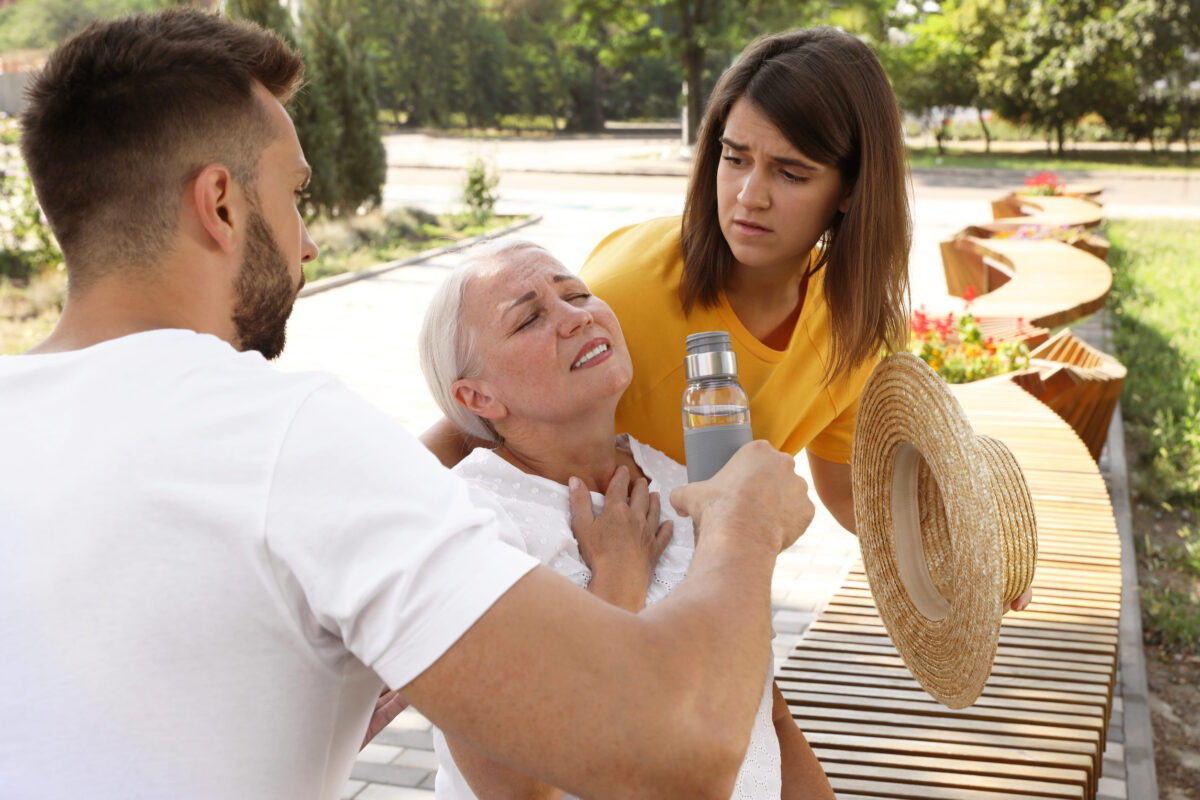
Heat-related illnesses can develop quickly when the body is unable to regulate temperature. Early warning signs of heat exhaustion include heavy sweating, weakness, dizziness, headache, nausea, and muscle cramps.
Heat stroke is far more dangerous and requires immediate medical attention. Symptoms can include confusion, fainting, seizures, and extremely high body temperature. Experts warn that severe overheating can become life-threatening within 10 to 15 minutes if the body cannot cool down.
During periods of extreme heat, people should pay attention not only to their own condition but also to that of those around them. Checking on elderly neighbors, relatives, and vulnerable community members can help prevent serious outcomes.
Climate change is increasing the intensity of extreme heat.
Scientists say heat waves are natural weather events, but rising global temperatures are making many of them stronger, longer, and more widespread. A warmer climate sets a higher baseline, meaning the same weather pattern can produce more extreme temperatures than it did decades ago.
The current heat dome is being driven by atmospheric conditions, but the broader climate trend is increasing the likelihood of more intense heat events. Researchers have documented longer heat seasons, more frequent temperature records, and greater nighttime warming across many regions.
The result is a growing challenge for communities, emergency responders, and public health systems as extreme heat becomes a more frequent part of summer weather.
How Americans can stay safer during the heat wave

The safest response to extreme heat is preparation before symptoms appear. Staying hydrated throughout the day, avoiding unnecessary outdoor activity during peak afternoon hours, and finding cooler environments can reduce the risk of heat-related illness.
People should wear lightweight clothing, avoid leaving children or pets inside parked vehicles, and check on neighbors who may struggle during extreme temperatures. Cooling centers, libraries, and community facilities can provide important relief when homes become dangerously hot.
Those taking certain medications should also be aware that some treatments can affect hydration levels or the body’s ability to regulate temperature. Speaking with healthcare professionals about heat precautions may be important during prolonged heat events.
The heat wave is a warning sign for communities nationwide.
This heat wave represents more than a few uncomfortable summer days. With temperatures surpassing 100°F, dozens of records are under threat, and warm nights are extending the danger, leaving millions of Americans facing a serious weather challenge.
The greatest risk comes from the combination of extreme temperatures, long duration, overnight heat, humidity, wildfire threats, and vulnerable populations. Each factor increases the impact of the others.
As the heat continues spreading across the country, preparation and awareness will be essential. Extreme heat can become deadly quickly, but communities that plan ahead, support vulnerable residents and take warnings seriously can reduce the risks.