7 Things You Should Never Say in Texas Unless You Want the Room to Go Quiet
Texas is the kind of place that does not whisper its identity. It wears its pride like a belt buckle, loud enough to catch the light and sturdy enough to survive a family argument at Sunday lunch. That is why certain comments, even when meant as jokes, can hit a nerve fast.
The Lone Star State is home to more than 31.7 million people, so one lazy stereotype can miss a whole universe of cities, ranch towns, suburbs, music scenes, food cultures, and family histories. It is also the second-largest U.S. state by both land area and population, which helps explain why Texans can be a little protective when outsiders reduce the place to boots, brisket, and heat.
“Do You Ride a Horse to Work?”
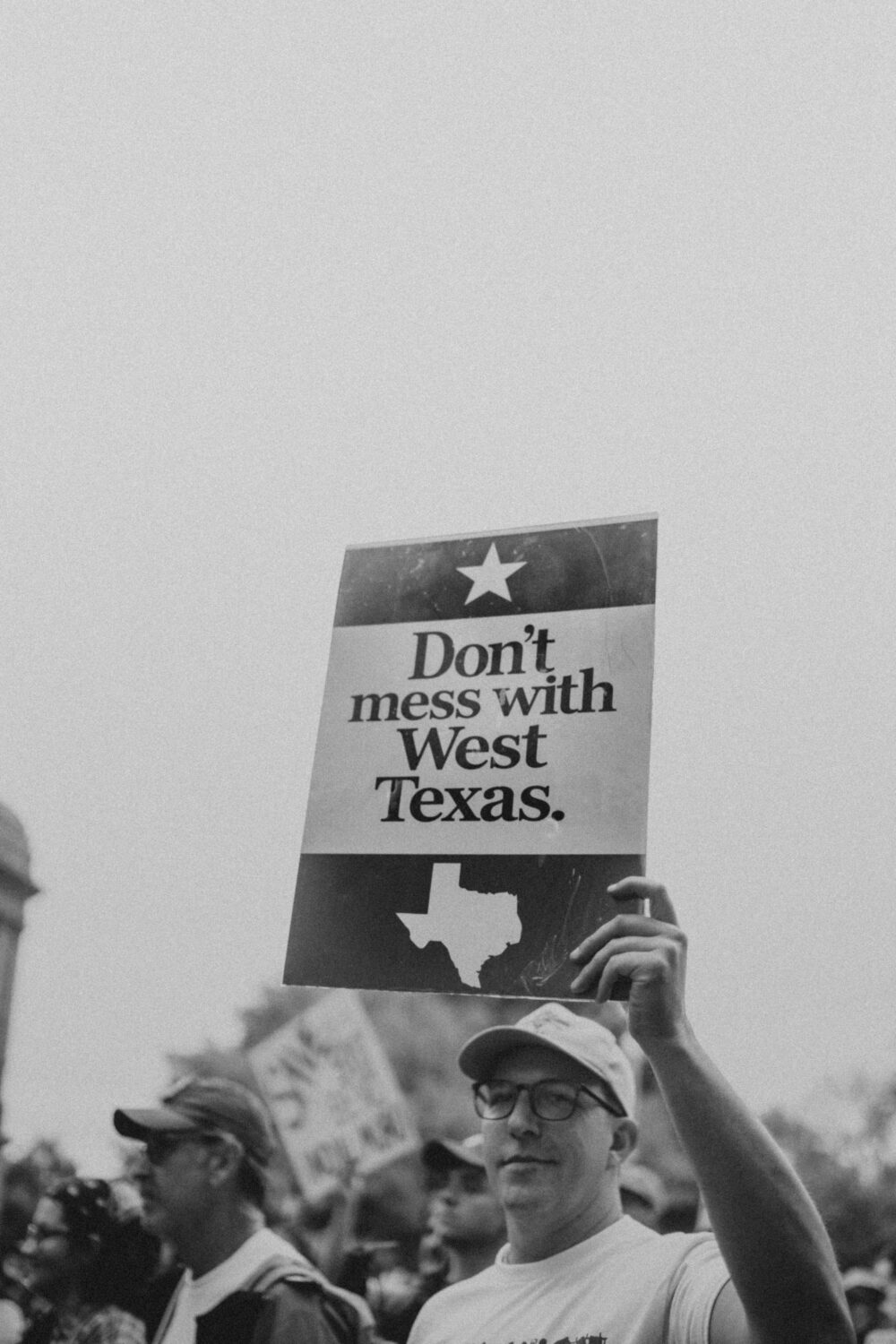
This joke has been around so long that it should probably be retired with a gold watch. Texas has deep cowboy roots, and plenty of people still love rodeos, ranch life, and Western style. But asking a Texan whether they ride a horse to work makes the state seem like a frozen old movie scene.
Most Texans commute like everyone else, usually in cars, trucks, rideshares, buses, or packed highways that test the soul before breakfast. Dallas, Houston, Austin, San Antonio, and Fort Worth are modern cities with office towers, tech hubs, universities, hospitals, airports, and traffic jams that feel very current. The horse joke may sound playful, but it often lands like a dusty insult.
“Texas Isn’t Really That Big, Is It?”
This is not the hill to die on. Texans know their state is massive, and they do not need a map pulled out at dinner to prove it. The size of Texas is part geography, part personality, and part family legend.
Driving across the state can feel like entering several different countries without leaving the same highway. East Texas has piney woods, West Texas has desert drama, the Gulf Coast has humid beach-town energy, and the Hill Country brings limestone views and slow sunsets. Saying Texas is not that big sounds like you are shrinking something Texans have spent generations proudly expanding in their imagination.
“Why Are Texans So Obsessed With Guns?”
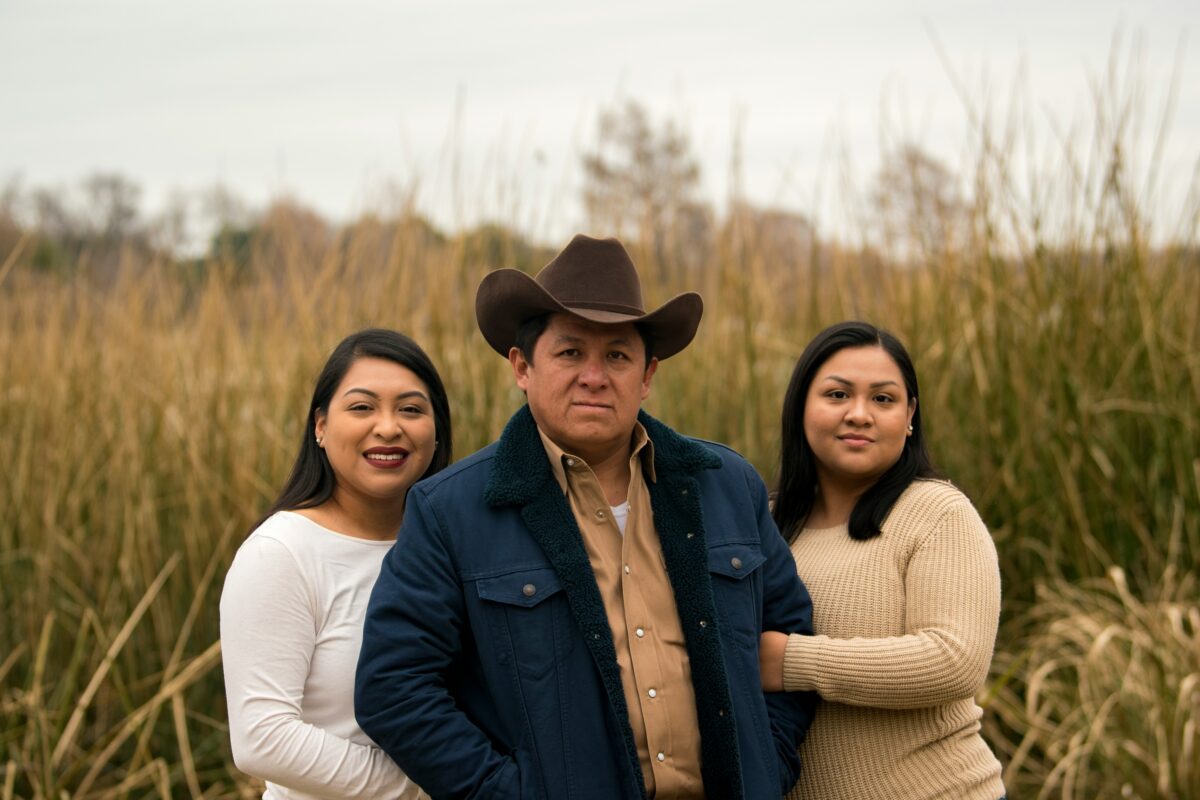
This question can turn a casual conversation into a debate before the chips and queso arrive. Guns are a sensitive subject across the United States, and in Texas, the topic often connects to history, family tradition, hunting, self-defense, politics, and personal freedom. A blunt question can sound more like an accusation than a question of curiosity.
That does not mean every Texan thinks the same way. Texas has millions of people with different beliefs, backgrounds, and comfort levels around firearms. The safer move is to avoid treating Texans like one giant stereotype wearing a holster. Ask with respect, or better yet, do not open that door unless the conversation is already ready for it.
“How Do You Live in This Heat?”
Texans know it is hot. They felt it as they walked from the parking lot. They felt it when the steering wheel burned their hands. They felt it when the air outside seemed to have its own weight.
Complaining about the heat can make visitors sound unprepared, even when the complaint is fair. The National Weather Service warns that heat can strain the body and worsen health conditions, so the weather is not just a punchline. Still, Texans have built routines around it: iced drinks, shade, early errands, air conditioning, and the quiet skill of not acting surprised every July.
“Texas Barbecue Is Overrated”

This one is basically asking for emotional damage. Texas barbecue is not just food on a tray. It is smoke, patience, family arguments, regional pride, early lines, secret rubs, and brisket treated with the seriousness of a courtroom verdict.
You do not have to love every plate, but dismissing Texas barbecue as “meh” is a quick way to offend someone who waited hours for it. Barbecue in Texas carries cultural weight because it brings people together across backyard pits, small-town joints, road trips, and weekend rituals. If you want to survive the conversation, say what you liked before you say what you missed.
“You Must Only Listen to Country Music”
Country music has a major place in Texas, but acting as if every Texan lives inside a pickup-truck radio station is lazy. The state has shaped blues, Tejano, hip-hop, gospel, rock, conjunto, jazz, indie, and countless local sounds. Houston alone has a music identity so strong it could carry its own history book.
A Texan may love George Strait, Beyoncé, Selena, Megan Thee Stallion, Willie Nelson, Travis Scott, or all of them in the same playlist. That is the point. Texas culture is not one note. It is a whole jukebox, and assuming otherwise makes the speaker sound like they stopped learning after a cowboy commercial.
“Texas Is Basically Like Every Other State”
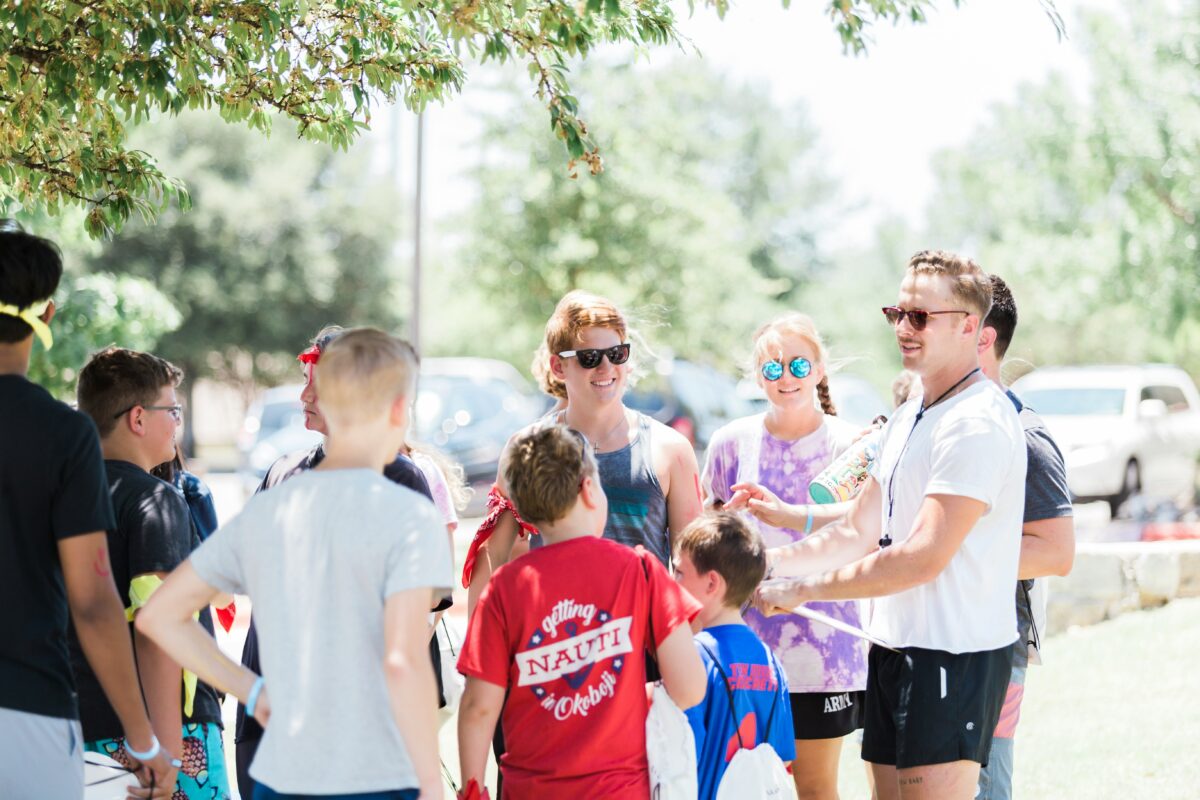
This may be the fastest way to make a Texan stare through you. Texas has its own origin story, its own symbols, its own swagger, and its own habit of turning local pride into a full-contact sport. Even Texans who complain about Texas often do it with the passion of someone defending family.
The state is complicated, bold, diverse, frustrating, beautiful, and impossible to sum up in a single sentence. That is why Texans push back when someone calls it ordinary. You can criticize Texas, tease Texas, or question Texas, but saying it is “just like anywhere else” misses the whole point. In Texas, ordinary people rarely survive the first sentence.
Conclusion
Texas does not require visitors to flatter it every five minutes. Texans can laugh at themselves, argue with each other, and complain about their own state with impressive skill. But there is a difference between playful curiosity and tired stereotypes.
The best rule is simple. Treat Texas like a real place, not a costume. Ask better questions, listen longer, and do not walk into a barbecue joint pretending brisket is just meat.