10 Overlooked Countries Most Americans Still Can’t Find on a Map
Some countries are so small, remote, or rarely discussed that they almost vanish from everyday conversation. They do not dominate travel ads, evening news, or school quizzes, yet each one carries its own culture, beauty, danger, and political weight. These places may sit quietly on the map, but they are anything but forgettable once you know their stories.
Tuvalu Is Running Out of Safe Ground

Tuvalu is easy to miss because it looks like scattered punctuation across the Pacific, but its story is impossible to ignore. This tiny island nation sits between Hawaii and Australia, with low-lying coral land, quiet villages, and a culture shaped by the ocean. The danger is that its beauty comes with an uneasy clock. Rising seas threaten homes, fresh water, and the future of an entire country.
For readers used to big borders and crowded cities, Tuvalu feels like a reminder that the smallest places can carry the heaviest global warnings. It is a hidden nation with a front-row seat to the planet’s future.
Nauru Shows What Fast Wealth Can Destroy
Nauru may be one of the smallest countries on Earth, but its past reads like a cautionary tale about wealth that arrived too fast and vanished too loudly. The island once grew rich from phosphate mining, only to see the land and economy suffer after the boom faded. There is no grand capital city to point to, no sprawling skyline, and no tourist machine polishing the edges.
What remains is a compact nation with a scarred interior, a proud people, and a geography lesson most Americans never got in school. Tiny does not mean simple here; it means concentrated history with a harder silence. Today.
Kiribati Is Disappearing Into the Climate Debate
Kiribati is the kind of country that makes a map feel too small. Its islands stretch across a massive expanse of the central Pacific, yet the land itself is thin, fragile, and often barely above sea level. The country is famous for atolls, reef islands, and a strange relationship with time zones, but its biggest story is survival.
Climate pressure, isolation, and limited resources shape daily life here. Kiribati proves that a country can look tiny on land and still hold an ocean-sized place in world affairs. It is remote, vulnerable, and more important than its size suggests. That danger makes it impossible to dismiss.
Palau Is Too Stunning to Stay Unknown

Palau is often unfamiliar to casual travelers, but divers speak of it with real respect. This western Pacific nation is made up of islands, reefs, lagoons, and rock formations that look almost as if they were painted into the sea. Its marine life is the headline, from coral gardens to blue holes to the famous jellyfish experience that made travel shows take notice.
Yet Palau is more than scenery. It carries the history of World War II, strong island traditions, and a fierce commitment to protecting the ocean that keeps it alive. Forgettable on a school map, unforgettable once you learn what is there. Its beauty has teeth.
Vanuatu Is Not Your Soft Island Fantasy
Vanuatu sounds like a fantasy destination until you realize how real and rugged it is. This South Pacific country is made up of islands, volcanoes, forests, beaches, and villages where old customs still hold serious power. Mount Yasur gives visitors a fiery reminder that the earth is not asleep, while land diving on Pentecost Island reveals a tradition far deeper than tourist thrill-seeking. Vanuatu is not just remote. It is raw, spiritual, dramatic, and far more memorable than the average tropical postcard. Missing it on the map means missing one of the Pacific’s boldest cultures. That is its power.
Timor-Leste Is Too Young to Be Ignored
Timor-Leste is one of the youngest countries in the world, and that alone should make it better known. After a painful history of colonization, occupation, and struggle, it became independent in the early 2000s and began building a national future from hard ground. Its mountains, beaches, forests, and coffee-growing highlands give it natural beauty, but the deeper pull is resilience.
Timor-Leste is not a sleepy island footnote. It is a country still shaping its identity in full view of modern history. Overlooking it means overlooking a rare modern nation-building story. That struggle gives the country emotional weight.
Bhutan Refuses to Race the Modern World
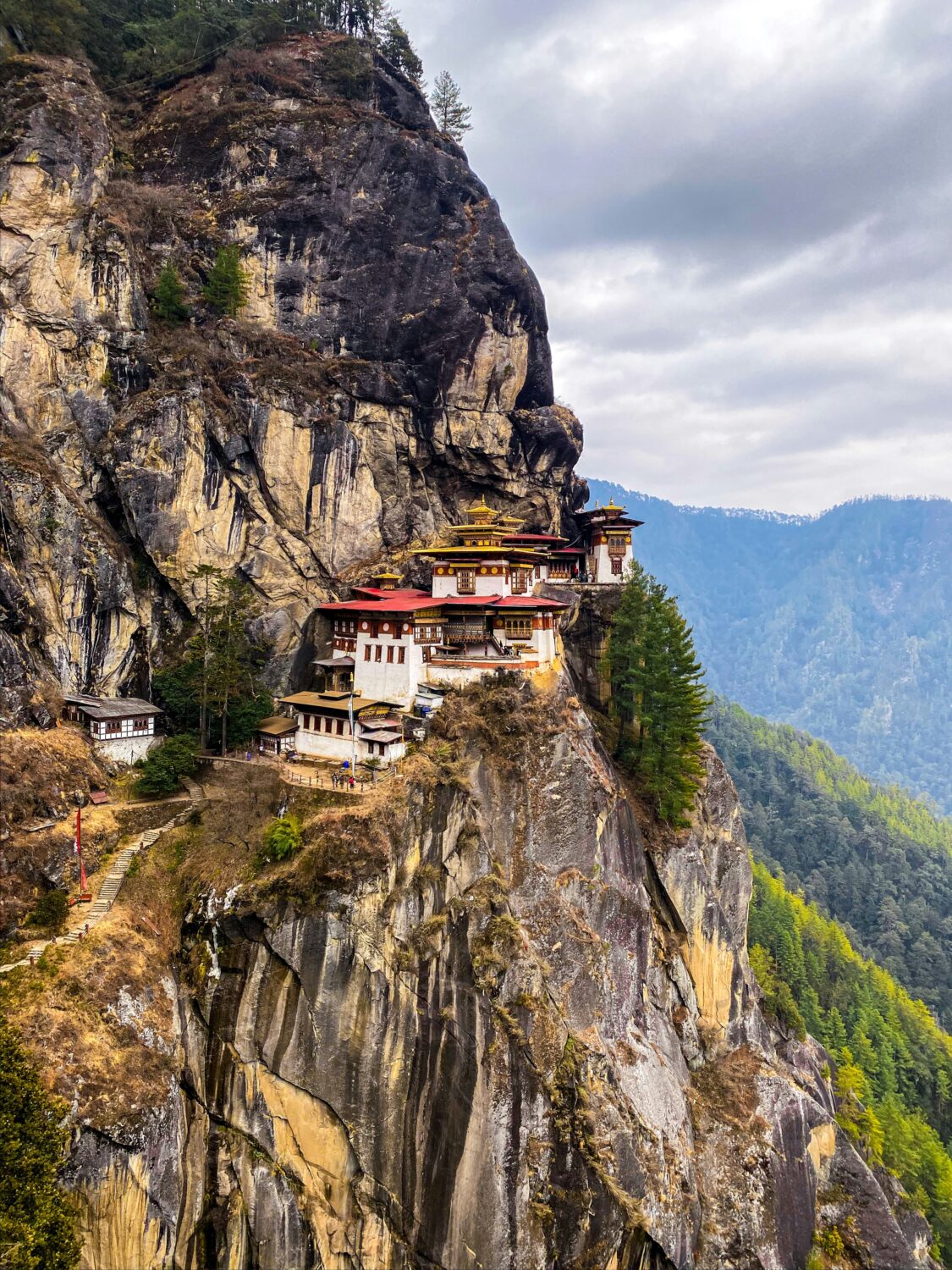
Bhutan hides high in the Himalayas, where mountains, monasteries, prayer flags, and strict tourism rules give the country an almost mythical reputation. Many people know it only by the phrase “Gross National Happiness,” but that idea points to something bigger. Bhutan has tried to protect culture, nature, and spiritual life from the kind of development that can flatten small nations. It is not frozen in time, but it moves carefully.
That quiet confidence makes it one of the most unusual countries on Earth. In a noisy world, Bhutan feels like a country refusing to be rushed. That restraint feels rare.
Djibouti Is Small but Strategically Dangerous
Djibouti is small enough to be overlooked, yet it sits in a location that powerful countries cannot ignore. Positioned near the Red Sea and the Gulf of Aden, it stands close to some of the busiest shipping routes on the planet. The landscape is even stranger than its politics, with salt lakes, volcanic fields, desert heat, and coastal waters all squeezed into one compact country.
Lake Assal gives it a harsh, alien beauty. Djibouti may not appear in many travel daydreams, but geography gives it serious weight. This is a small country with a giant strategic shadow. Its small size hides a major regional role.
São Tomé and Príncipe Is Africa’s Quiet Island Secret

São Tomé and Príncipe feels like one of the Atlantic’s quiet secrets. Sitting off the west coast of Central Africa, this two-island nation mixes Portuguese colonial history, cocoa plantations, rainforest, volcanic peaks, and beaches that still feel unspoiled. It does not have the global fame of Cape Verde or the mass-tourism gloss of bigger island destinations. That is part of the appeal.
The country offers a slower, greener, more mysterious version of island life that many Americans have never heard of. It is small, lush, and strangely cinematic. Its quietness makes the discovery feel personal and rare.
Comoros Gets Lost Beside Bigger Names
Comoros sits between East Africa and Madagascar, close enough to busy regional routes yet distant from most American travel conversations. The islands are volcanic, fragrant, and culturally layered, with African, Arab, and French influences shaping food, language, religion, and daily life. Beaches and mountain views lend it postcard beauty, but its real strength lies in the blend of identities packed into a small archipelago. Comoros may not dominate guidebooks, but it has the kind of depth that rewards curious readers. It is not hidden because it is dull; it is hidden because people rarely look closely.
Conclusion
These countries prove that the map still has quiet corners with loud stories. Some face climate danger, some carry painful histories, and some protect cultures that bigger nations often flatten or forget. They may not appear in everyday American conversation, but that is exactly what makes them worth knowing. The world feels larger, stranger, and far more interesting when we stop looking only at the countries everyone already knows.