A $29 Bag of Reese’s? Halloween Candy Has Become the Scariest Thing in the Aisle
A viral video showing a 55-piece bag of Reese’s priced at $29 has struck a nerve with Halloween shoppers, and it is not just because one bag costs more than many people remember paying for an entire candy bowl. Bulk Halloween candy has climbed far faster than overall inflation, with cocoa troubles, pricier ingredients, manufacturing costs and smaller packages all helping turn October’s sweetest tradition into a genuine budget question.
The Sticker Shock Is Real
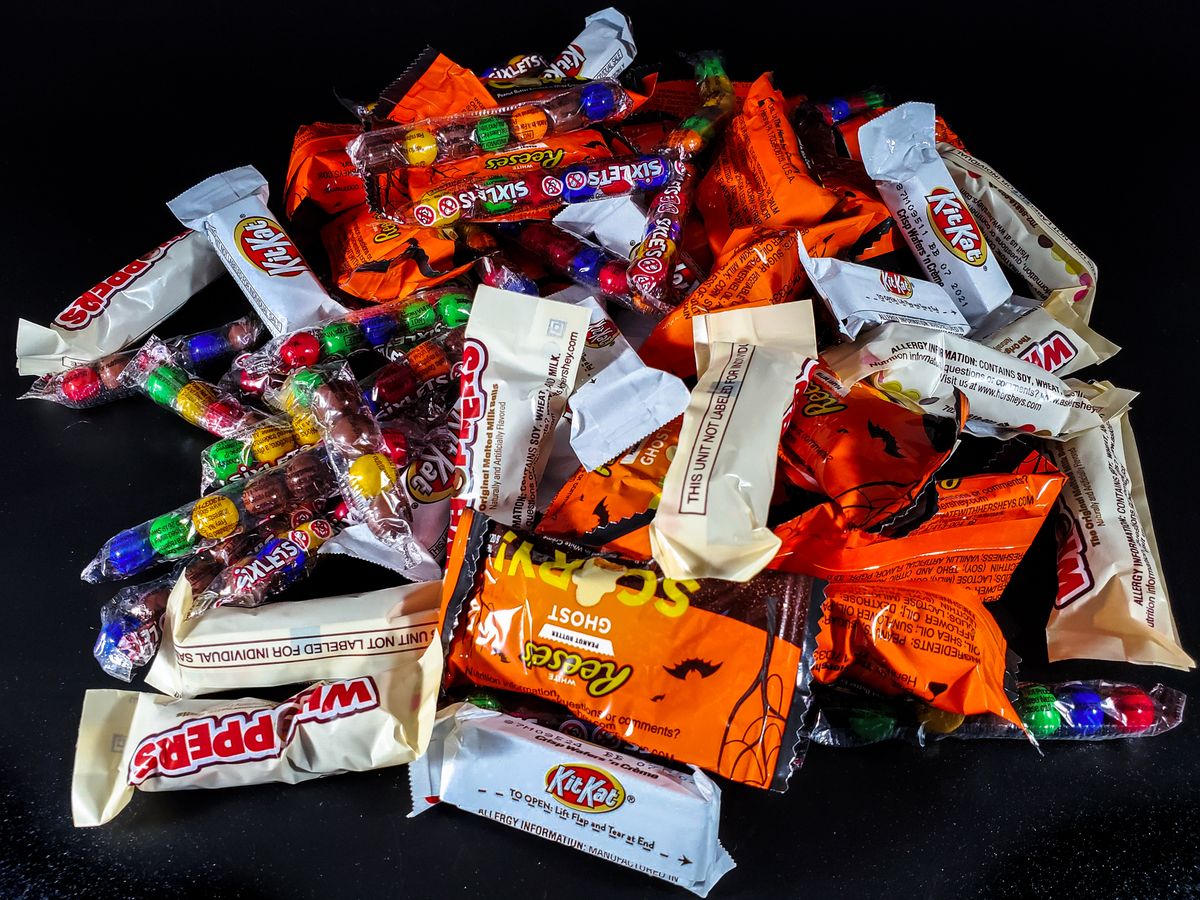
The $29 Reese’s bag became a social-media flashpoint after a shopper filmed candy prices in a grocery store and declared that “inflation has lost its mind.” The clip, shared by the WallStreetApes account in August, focused on a bag containing 55 Reese’s candies. The price shown at a single store doesn’t establish a national price for that exact package, but it captures a broader experience: shoppers are seeing much higher totals when they stock up for trick-or-treaters.
The larger numbers support that frustration. FinanceBuzz, which reviewed historical Halloween circulars and current digital listings at Walmart, Target, Kroger and Albertsons, found that the average price of a 100-piece bag of Halloween candy reached $16.96 in 2026. That is up from $9.91 in 2021, a 71% increase over five years. The study said overall U.S. inflation rose 22% during the same period.
An earlier comparison cited in reporting on the viral Reese’s video placed the average 100-piece bag at $9.19 in 2020 and $16.39 in 2025, a 78% increase. The FinanceBuzz 2026 research uses a different starting year and a new price sample, so those figures should not be treated as identical measurements. They tell the same clear story, though: the cost of handing out individually wrapped candy has risen much faster than shoppers expected.
This year’s increase is smaller than the sharp jumps seen in the previous two years, but it is still an increase. FinanceBuzz found the average 100-piece bag was 3.5% more expensive in 2026 than in 2025, following increases of $2.45 from 2023 to 2024 and $2.34 from 2024 to 2025. In practical terms, the price surge has slowed, but the higher base price is now part of the Halloween aisle.
That is why candy prices can feel so jarring even when shoppers expect inflation. A $5 increase on a large bag may not sound catastrophic in isolation, but most households are not buying candy in isolation. They are also paying for groceries, costumes, school events, decorations, pumpkins and transportation, and many families need enough treats for a steady stream of doorbell rings.
Cocoa Is a Big Part of It
Chocolate has been hit by a specific ingredient problem: cocoa. Much of the world’s cocoa is grown in West Africa, where extreme weather, aging trees and long-term underinvestment have contributed to weak harvests. Ron Sweetser, cocoa sourcing and flavor development manager at San Francisco’s Dandelion Chocolate, told the San Francisco Chronicle that those pressures helped produce a poor 2023 growing season.
Cocoa prices surged dramatically after that. International Monetary Fund data cited by the Chronicle showed cocoa at roughly $3,434 per metric ton three years ago, before prices peaked above $10,710 in January 2025. By July 2026, cocoa had fallen to $5,619 per metric ton, well below the peak, but still considerably above the earlier level. A drop from a record high does not automatically put prices back where they started.
That distinction matters at the checkout line. Candy companies may have paid more for cocoa when they bought supplies or locked in contracts, and chocolate is only one part of the cost structure. Daniel Sumner, a UC Davis professor of agricultural economics, told the Chronicle that rising costs across the economy, including diesel that powers farm machinery and transport trucks, also add pressure. “Given the other inflation, as consumers, we feel like, ‘Gee, we should have seen more of that in our pocket,’” he said.
Sugar has added another layer. The Chronicle reported that the Producer Price Index for chocolate and confectionery manufacturing rose nearly 67% over the past five years. Separately, the Bureau of Labor Statistics’ consumer price data showed candy and chewing-gum prices were 8.1% higher in August 2026 than one year earlier, according to a report distributed by Stacker. These figures do not mean every candy bag rises by the same amount, but they explain why even non-chocolate options have become more expensive.
Tariffs and packaging can be part of the math, too. Sumner noted that some sugar-based candy is imported from Canada and that some packaging work is done there, which can add costs even if the candy itself is made in the United States. Sweetser characterized tariffs as a “hiccup” for Dandelion, “more annoying than it was a detriment to the business,” but the company’s small-scale experience should not be read as a universal measure for every candy maker.
Related: These Are the Worst Places to Hide Valuables at Home
Why Cheaper Doesn’t Always Show Up
Shoppers may reasonably wonder why candy bags remain so expensive when cocoa futures have retreated from their highest point. One answer is timing: companies absorb and recover costs over multiple seasons rather than repricing products every time a commodity market moves. Another is that ingredient costs are only one piece of a candy maker’s bill, alongside labor, packaging, freight and retail distribution.
Hershey has been candid that cocoa costs played a major role in pricing decisions. Allison Kleinfelter, Hershey’s head of communications, told Axios that the company “absorbed unprecedented cocoa costs for two years before implementing pricing in 2025 that didn’t fully offset those costs.” She added that cocoa prices remain “volatile [and] elevated,” and said Hershey intends to recover those costs over the next few years while keeping brands accessible.
The result can show up as a higher shelf price, fewer pieces in a bag, a lighter total weight, or a combination of all three. The Chronicle reported that Hershey’s price moves included both a higher list price and reduced weight and candy count in some bags, a practice consumers often call shrinkflation. Don’t assume every product or brand has changed the same way; package sizes and formulas differ by item. Still, shoppers have good reason to compare more than the large number printed on the shelf tag.
Candy manufacturers have other levers, too. Sweetser said shoppers may see smaller packages, more non-chocolate treats in variety packs, or chocolate candies with a greater share of nougat or peanut butter. That does not make those products inferior many people actively prefer them, but it does show why a mixed Halloween assortment may not contain the same chocolate-heavy lineup a shopper remembers from years ago.
Americans are still expected to show up for Halloween. The National Retail Federation projects total Halloween spending will reach a record $13.5 billion in 2026, with candy representing $4.1 billion. Its survey found that 96% of consumers plan to purchase candy, despite the higher prices. That resilience says a lot about the holiday’s appeal, but it does not mean households are ignoring the cost.
“Consumers continue to make Halloween a spending priority, but they are also approaching the season with affordability in mind,” Allison Zeller, NRF vice president of industry and consumer insights, said. The NRF found that about one-third of shoppers plan to compare prices, 26% plan to look for coupons or sales, and 34% plan to seek items they can reuse or repurpose.
For candy, the most useful comparison is cost per piece, not simply the sticker price of the bag. RetailMeNot retail-insights expert Stephanie Carls told WCPO, “I personally want to know how many doorbell rings that bag is actually buying me.” She suggested chocolate shoppers aim for roughly 10 cents per piece when comparing options, while also warning that a giant warehouse bag saves money only if the household truly needs that much candy.
There are lower-cost alternatives for shoppers who want to keep the bowl full. WCPO cited Dum-Dums at roughly 6 cents each, Smarties at about 7 cents per roll and Tootsie Roll Minis at about 2 to 3 cents per piece, based on the outlet’s review of available options. A mix of chocolate and lower-cost non-chocolate candy can stretch a budget without making Halloween feel skimpy.
So, no, a $29 bag of Reese’s is not proof that every Halloween purchase is doomed. But it is a very recognizable symbol of why shoppers are doing more math in the candy aisle. Set a budget based on your usual trick-or-treater traffic, compare price per piece, watch for sales and avoid buying a warehouse-size bag just because the unit price looks tempting. Halloween can still be fun; it just may require more strategy than grabbing the first orange-and-black bag you see.