8 Halloween Treats From the ’70s You Rarely See in a Trick-or-Treat Bag Now
A 1970s Halloween haul could look very different from the typical bag of fun-size chocolate, gummies, and branded candy kids bring home today. Depending on the neighborhood, a trick-or-treat bag might contain wax candy, novelty sweets, old-fashioned taffy, or even a homemade treat from a neighbor.
That does not mean every child received these treats. But they capture a Halloween candy culture in which novelty, loose candy, and homemade handouts had a bigger place than they do now.
Wax Lips
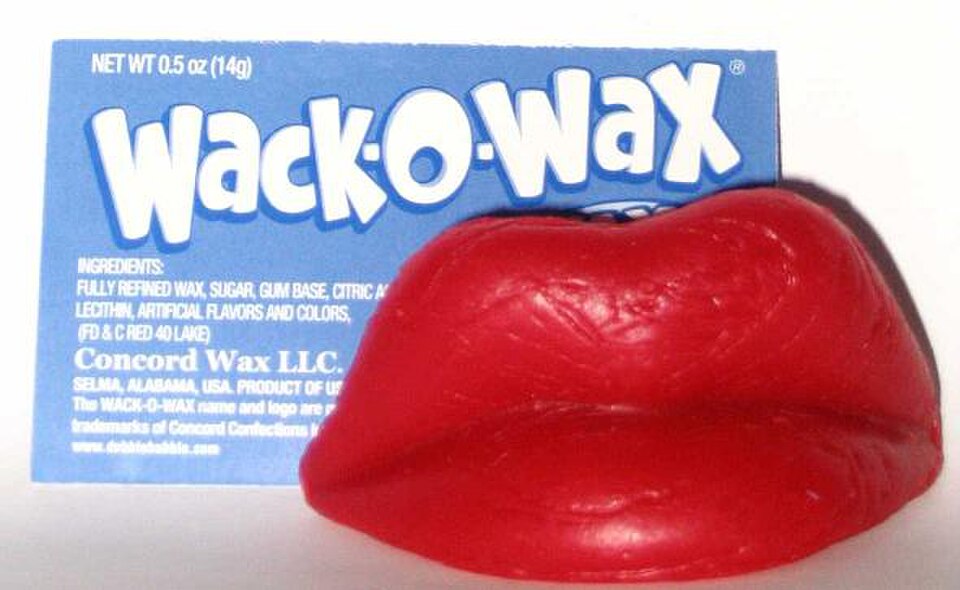
Big red wax lips were part candy and part costume prop. Kids could put them on for a laugh, then chew on the wax once the joke had worn off.
The novelty was the whole point, which made Wax Lips an especially memorable Halloween treat. Retro versions may still be sold, but they are far less likely to turn up in an ordinary trick-or-treat bag than they once were.
Related: 6 Top Halloween Candy Picks for Trick-or-Treaters
Candy Cigarettes
Candy cigarettes were sugar sticks or bubble gum packaged to resemble cigarette packs. The format reflected an era when smoking imagery was much more normalized in popular culture.
Over time, candy designed to imitate cigarettes became increasingly uncomfortable for parents, retailers, and public-health advocates. The products were not simply erased from history, but their place in children’s candy culture changed considerably.
Candy Necklaces
Candy necklaces turned the treat into something you could wear. Small pastel candy beads were strung on elastic, allowing kids to pull the pieces apart and eat them as they went.
They still exist, but they are less likely to be part of today’s mass-market Halloween variety bags than fun-size candy bars, gummies, or lollipops. That wearable-candy gimmick is what makes them such a distinctly recognizable piece of old-school candy culture.
Wax Bottles With Sweet Liquid
Tiny wax bottles filled with sweet liquid offered a particularly unusual way to eat candy. Children could bite into the wax, drink or squeeze out the syrup, and then chew the bottle itself.
Compared with today’s straightforward candy packages, the format feels wonderfully strange. These bottles represent the kind of novelty treat that could make a Halloween haul memorable simply because eating it involved figuring out what to do with it.
Peanut Butter Kisses
Peanut Butter Kisses were soft, chewy molasses-and-peanut-butter taffies often wrapped in orange or black wax paper. Those distinctive wrappers helped make them especially recognizable around Halloween.
They have an old-fashioned texture and flavor profile that stands apart from the chocolate and gummy candy dominating many modern assortments. They have not disappeared altogether, but they are much less familiar as a standard Halloween handout.
Bit-O-Honey
Bit-O-Honey combined honey-flavored taffy with almond bits, making it one of the harder, chewier candies that could turn up in an old-fashioned assortment.
It was not uniquely a 1970s candy and remained available beyond that decade. What makes it fit here is its place in the era’s broader candy landscape, when a Halloween haul could contain more chewy, individually wrapped pieces alongside the better-known sweets.
Brach’s Pick-A-Mix Candy
Brach’s bulk-candy displays represented a very different way of buying sweets. Shoppers could select assorted caramels, jelly nougats, candy corn, and other pieces by the scoop.
The importance of Pick-A-Mix is less about claiming that loose candy was handed out by every household and more about what it represents: an era when bulk candy was a familiar part of the sweets landscape.
Factory-sealed, individually wrapped treats eventually became the more familiar choice for Halloween handouts, making the old candy-counter experience feel increasingly distant.
Homemade Popcorn Balls
Popcorn balls were a classic seasonal homemade treat that could be wrapped in wax paper, plastic wrap, or cellophane before being handed to trick-or-treaters.
A neighbor-made popcorn ball is much less likely to appear in a modern trick-or-treat bag, where commercially sealed treats have become the norm. The change reflects shifting expectations around trust, packaging, and convenience, not a reason to repeat the old lurid stories about Halloween candy tampering.
Halloween Candy Has Changed
The biggest difference between these treats and today’s Halloween haul is not simply the candy itself. It is the culture surrounding the handout.
Novelty sweets once had plenty of room to be weird, wearable, or wrapped in distinctive seasonal paper. Bulk candy was familiar, and homemade treats could be part of the neighborhood experience.
Today, individually packaged branded candy is much more typical. Some of the old favorites still exist, especially through specialty or retro-candy sellers, but they no longer define the average trick-or-treat bag.
That makes the surviving examples all the more interesting: they offer a small taste of a Halloween when getting candy was sometimes just as much about the surprise as the sugar.