Over 160,000 Pounds of Meat Recalled Over False USDA Inspection Marks: What to Check
A major meat recall is drawing nationwide attention after federal food safety officials said more than 167,000 pounds of raw pork, beef, and goat products were produced without federal inspection.
The recall involves Star Meat Delivery Inc. of Lucama, North Carolina, and covers exactly 167,639 pounds of meat. The U.S. Department of Agriculture’s Food Safety and Inspection Service, commonly known as FSIS, announced the Class I recall on September 22, 2026.
A Class I recall is the agency’s highest risk category. It is used when there is a reasonable probability that consuming a product could cause serious health consequences or death.
That sounds alarming, but consumers should understand an important detail. FSIS did not announce that it found a specific pathogen, toxin, allergen, or contaminant in the meat. Instead, the recall centers on the fact that the products were produced without federal inspection and carried what FSIS described as a false USDA inspection mark.
The Number Consumers Need to Know
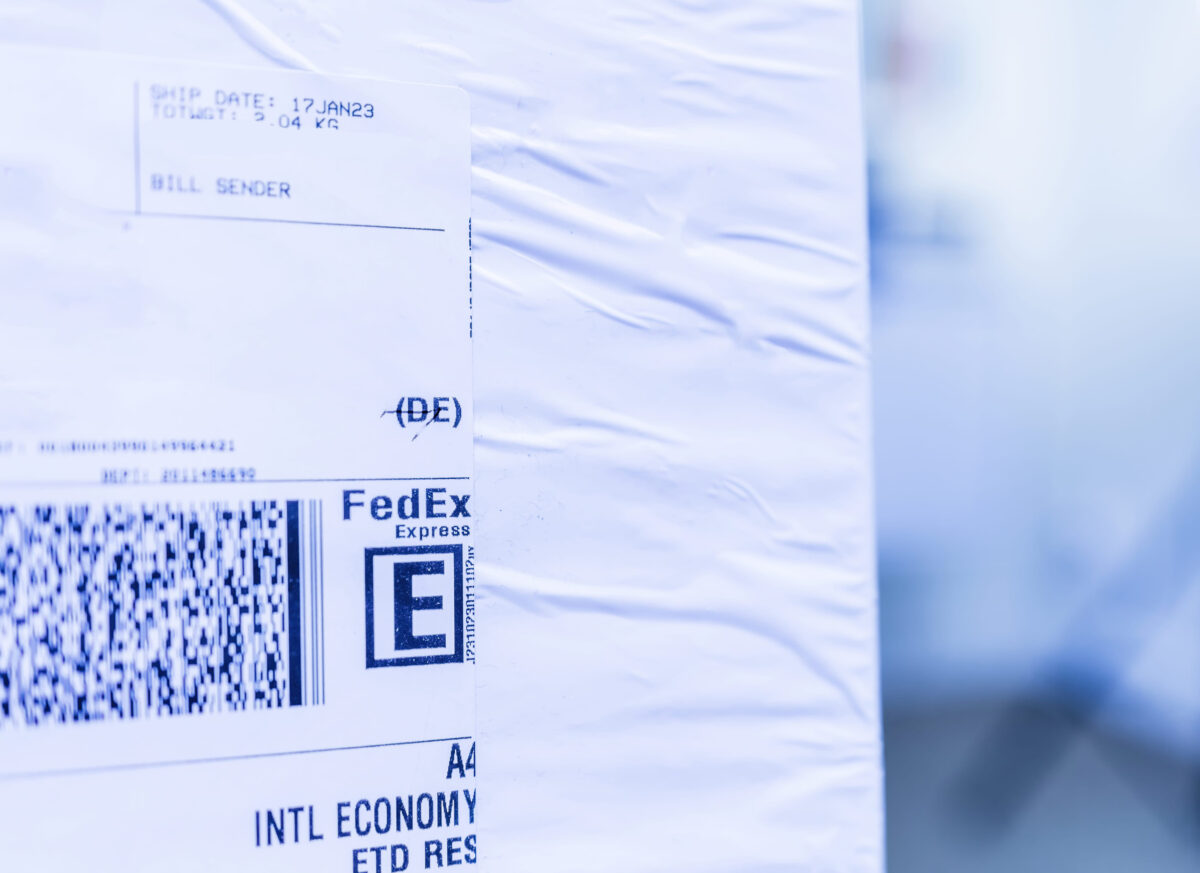
The recalled products carried a USDA inspection mark containing the establishment number “EST. 1363.”
According to FSIS, that number did not have a federal grant of inspection.
An establishment number is not just random fine print on a package. It is supposed to identify the federally inspected facility where a meat product was prepared. It helps regulators and consumers trace inspected meat back to the establishment connected to its production.
FSIS said products bearing EST. 1363 should be considered misbranded and unsafe to eat.
That does not automatically mean the meat was proven to be contaminated. It means consumers cannot rely on the normal federal inspection assurance that should come with the product.
Which Meat Products Are Included?
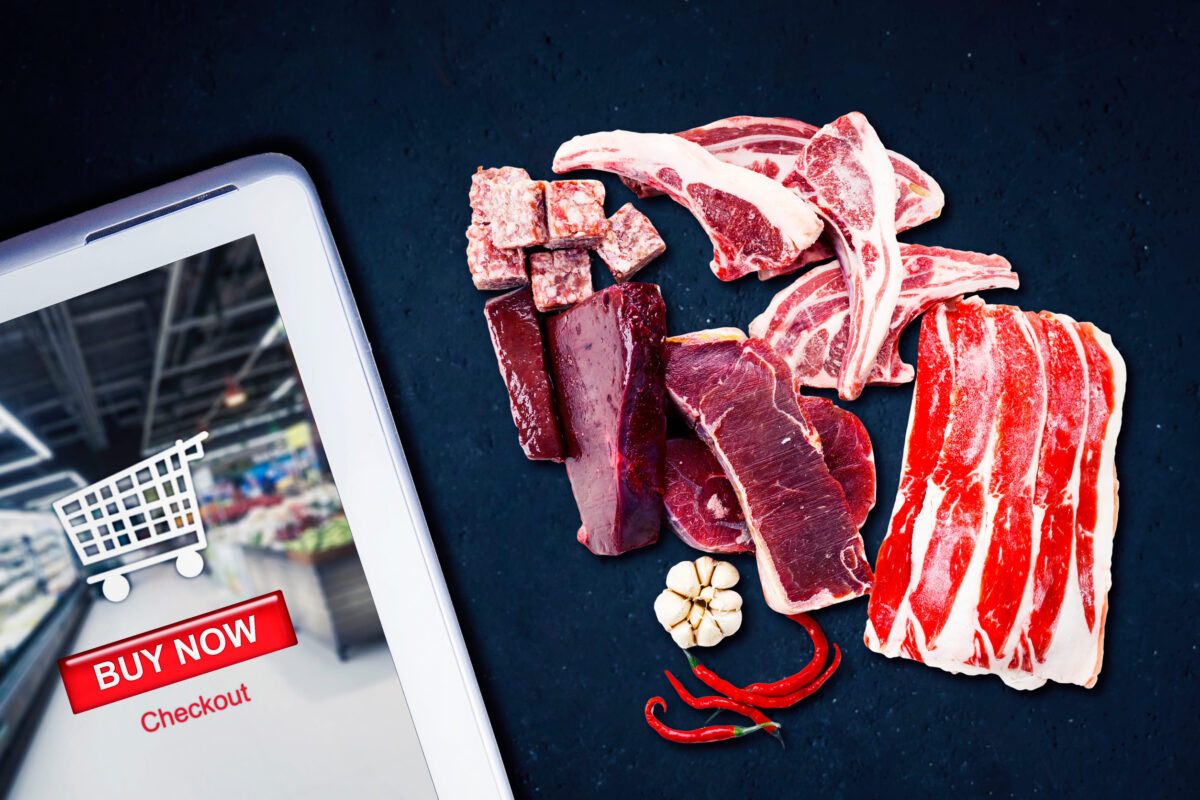
The recall covers 23 product descriptions sold under the A&D Foods label.
The affected products include several types of raw meat, including goat cuts, sliced ribeye, beef chuck, oxtail, short ribs, beef shanks, ground pork, pork chorizo, pork chops, pork feet, pork rib pieces, pork Boston cuts, pork hocks, beef feet, and menudo mix.
Many of the products were vacuum-packed and shipped in cardboard boxes. Several were listed in 10-, 20-, or 30-pound quantities.
The recalled meat was produced on various dates before September 22, 2026.
Unfortunately, checking your freezer may not be as simple as matching one easy number.
FSIS did not provide a public list of UPC codes, lot numbers, batch numbers, sell-by dates, or use-by dates for the recalled products.
Stores may also have repackaged some of the meat and added their own price labels or safe handling stickers. As a result, a package in your refrigerator or freezer might not clearly display the original A&D Foods label or the EST. 1363 marking.
Where Was the Recalled Meat Distributed?
A&D Foods, a distributor in Georgia, received the products and then distributed them to retail stores and restaurants nationwide.
The word “nationwide” deserves a little context.
The original recall information did not provide a complete list of states or retailers that received the affected meat. Nationwide distribution also does not necessarily mean the products reached every state.
Later reporting citing USDA officials said investigators noticed a labeling irregularity on meat being sold at a store in South Carolina and traced the product through the distribution chain.
However, that does not mean South Carolina was the only state involved. It simply identifies one location connected to how the issue was discovered.
What Should You Check in Your Refrigerator or Freezer?
If you recently purchased raw pork, beef, or goat products, start by checking for an A&D Foods label.
Next, look for “EST. 1363,” especially inside or near the USDA inspection mark.
Also compare the description on your package with the recalled products. Items include oxtail, beef short ribs, sliced beef, ground pork, chorizo, pork chops, pork feet, goat cuts, pork hocks, and pork Boston products.
Do not immediately assume your meat is unaffected just because you cannot find EST. 1363.
If a store repackaged the meat, the original identifying information may no longer be visible. A receipt, original carton, old package label, or information from the retailer may help confirm where the product came from.
What Should You Do If You Have the Recalled Meat?
FSIS has simple advice for consumers.
Do not eat it.
The agency says to throw away affected products or return them to the place of purchase. Restaurants and retailers should not sell or serve them.
Cooking the meat longer is not a solution.
FSIS did not advise consumers to cook, freeze, or trim the products to make them safe. The recall involves missing required federal inspection and a false inspection marking.
Before throwing a product away, it can be useful to take a photo of the label, especially if EST. 1363 is visible. That may help the retailer or company identify the product and assist with a return or refund.
Have Any Illnesses Been Reported?
As of the information reviewed through October 5, 2026, no confirmed illnesses or injuries had been reported in connection with the recalled products.
That does not mean officials can say with certainty that nobody became sick. It means no confirmed reports linked to the recalled meat had been reported at that time.
FSIS also did not identify a specific pathogen such as Salmonella, E. coli, or Listeria.
The agency explained that food produced without proper inspection can potentially contain harmful bacteria, undeclared allergens, or other contaminants that the federal inspection process is designed to help identify.
The Company Disputes Part of the USDA Description
Star Meat Delivery has publicly disputed the government’s characterization of the inspection mark.
According to reported company statements, Star Meat Delivery said the source meat came from a USDA-inspected supplier and that the products were processed and packaged for a Georgia distributor while the company was going through an approval process.
That company response does not change the official FSIS recall finding.
FSIS maintains that the affected products were produced without federal inspection and carried a false inspection mark.
The Bottom Line for Consumers
If you have raw beef, pork, or goat products that may be connected to this recall, check the packaging carefully.
Look for A&D Foods, compare the product name with the recall list, and pay special attention to EST. 1363.
If you identify an affected product, do not eat it. Return it to the store or throw it away.
And if you are unsure, contacting the retailer may be worthwhile, especially because some consumer packages may not display the original distributor information.
The biggest takeaway is simple: this recall is not based on a confirmed contamination finding, but FSIS says the lack of required federal inspection means the affected products should not be consumed.
Other Posts You May Like
- 9 Weird Foods Only Old Adults Eat
- FDA Flags Olive Oil Recall Over an Unapproved Garlic Ingredient
If you like what you just read, then subscribe to our newsletter and follow us on social media.