9 Foods You Can’t Bring Back Into the U.S. From a Trip Abroad
Bringing home something delicious can feel like one of the best parts of an international trip. A bag of fruit from a market, a jar of homemade preserves, or a package of local cured meat may seem like the perfect edible souvenir.
But getting food through U.S. customs is not always as simple as keeping it sealed in your suitcase. Entry rules vary by product, country of origin, processing, and current animal- or plant-disease conditions. U.S. Customs and Border Protection agriculture specialists at the port of entry make the final decision.
That means these foods aren’t necessarily prohibited in every circumstance, but travelers commonly cannot bring them back or face significant restrictions. Most importantly, you must declare every food or agricultural product, even if you believe it is allowed.
Fresh Whole Fruit
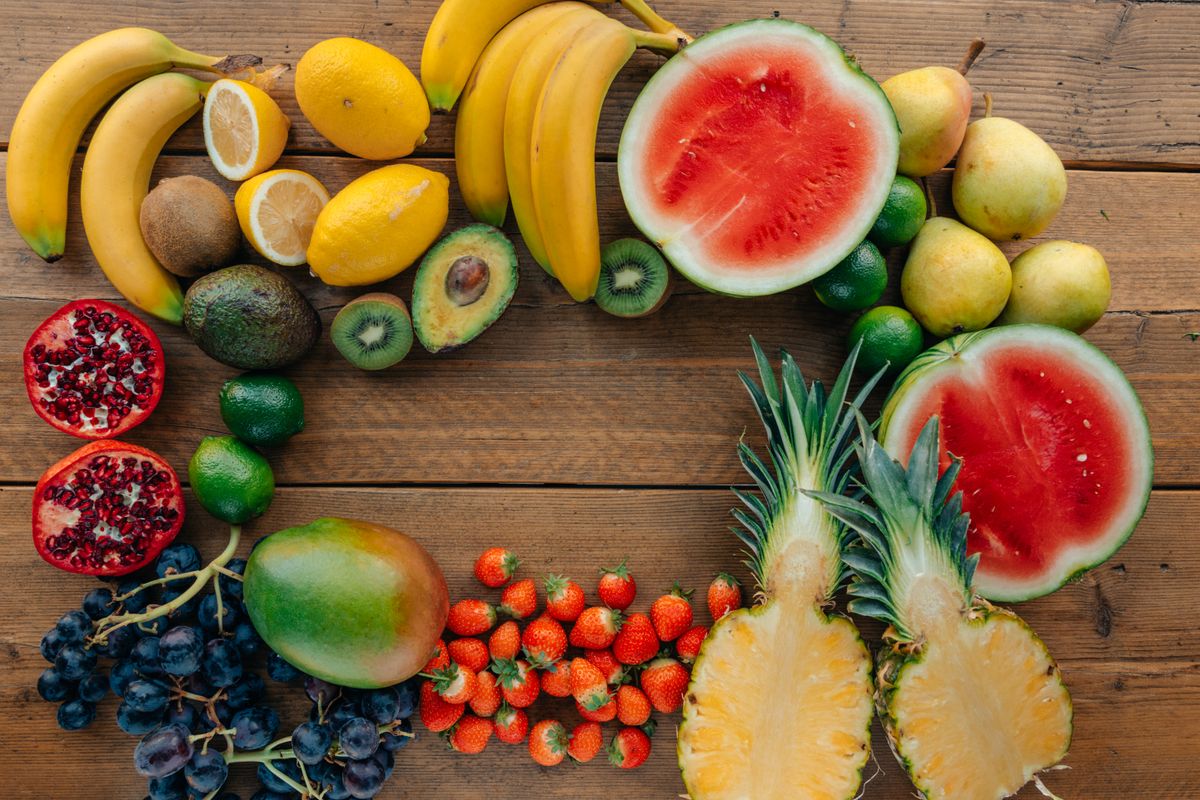
That ripe mango or bag of peaches from a local market may be better enjoyed before you head to the airport.
USDA’s Animal and Plant Health Inspection Service says almost all fresh fruits and vegetables travelers bring are prohibited because they can carry plant pests and diseases. The rule applies to whole and cut produce and can even include fruit handed out during an international flight or cruise.
Some exceptions depend on the exact fruit and its country of origin, so it’s inaccurate to say every piece of fruit is automatically banned. Still, you should generally expect to leave fresh fruit behind.
Related Post: 13 Travel Mistakes That Can Turn Your Dream Trip Into a Stressful Mess
Fresh Vegetables and Herbs
Fresh peppers, tomatoes, leafy greens, root vegetables, and bunches of aromatic herbs can look tempting at an overseas market, particularly when they are varieties that are difficult to find at home.
Unfortunately, almost all fresh vegetables face the same type of restrictions as fresh fruit. Washing them, wrapping them carefully, or buying them from a nice shop does not automatically make them admissible.
Customs officers consider both the commodity and its origin when deciding whether it can enter. Unless you have checked the specific rules for your item and origin, fresh produce is generally a poor choice for a suitcase souvenir.
Frozen Fruits and Vegetables
Freezing produce does not necessarily solve the customs problem. APHIS says almost all frozen fruits and vegetables are prohibited because some pests and plant diseases can survive extremely cold temperatures.
That means frozen mango chunks, berries, vegetables, and similar packaged foods should not be assumed acceptable simply because they came from a supermarket freezer.
This is a good example of why packaging and preparation methods alone do not determine whether a food can enter the country.
Home-Canned Produce
A homemade jar of pickles, preserves, tomatoes, or peppers may feel like a particularly meaningful gift, but home-canned fruits and vegetables are not allowed into the United States.
APHIS treats home-canned goods differently from commercially canned foods because home processing may not eliminate agricultural pest and disease concerns to the required standard.
Commercially canned fruits and vegetables may be admissible when properly declared, so the important distinction here is homemade versus commercially processed. If a relative abroad sends you home with a lovingly preserved jar from the pantry, enjoy it before your return trip instead.
Certain Dried Fruits and Vegetables
Dried food looks travel-friendly, but drying something does not guarantee that customs will wave it through.
Many dried fruits and vegetables are subject to specific entry requirements, depending on the item and its origin. Do not assume products such as dried mango, mushrooms, citrus peel, vegetable chips, or dried chiles are admissible.
There are notable exceptions. APHIS identifies items including dates, figs, raisins, beans, peas, okra, and most nuts as generally allowable when declared and inspected. Even then, travelers should declare them. The safest approach is to check the exact product rather than assuming all dried foods follow the same rule.
Prosciutto, Serrano Ham, and Iberian Ham From Certain Areas
Few edible souvenirs are as tempting as a beautifully packaged cured ham, but this category comes with especially clear restrictions.
Travelers cannot bring cured hams such as prosciutto, jamón Serrano, and Iberian ham from specified areas within France, Germany, Italy, and Spain. Salami from affected areas can face the same problem.
These products may enter the United States as qualifying commercial shipments with specific documentation and certification, but that is very different from packing a sliced package or small ham in your luggage.
The important point is not that all European charcuterie is forbidden. The rules depend on the product and its exact origin.
Meat From Countries Affected by Certain Animal Diseases
Jerky, sausages, cured pork, beef snacks, cooked meat dishes, and leftovers can all create problems at the border.
USDA restrictions apply to many cattle, swine, sheep, and goat meat products from countries affected by specified animal diseases. Whether the meat is raw, cooked, dried, cured, or vacuum-sealed does not by itself determine whether it can enter.
Products from qualifying disease-free origins may be allowed with appropriate proof of origin, but travelers should not assume that a factory-sealed package makes a meat product acceptable.
If you are considering bringing home meat, check the current rule for both the product and country before you buy it.
Poultry From Countries With Avian-Disease Restrictions
Chicken, duck, turkey, poultry sausages, and prepared poultry dishes may also be restricted depending on conditions in the country they came from.
Most poultry meat and poultry products from countries affected by highly pathogenic avian influenza or Newcastle disease are not allowed.
There are limited exceptions. Certain commercially packaged, labeled, fully cooked, shelf-stable products in unopened packaging may qualify, and some thoroughly cooked poultry may be admitted after inspection.
For travelers, the practical takeaway is that “all chicken is banned” is too broad, but you should expect customs officials to closely examine poultry from an affected origin.
Milk and Some Fresh or Liquid Dairy Products
A carton of local milk, a bottle of drinkable yogurt, a container of cream, or a tub of fresh cheese may also face restrictions.
Most milk and dairy products from countries affected by foot-and-mouth disease are not allowed. However, the rules do not apply equally to every form of dairy.
Butter, butter oil, and solid hard or soft cheeses that contain no meat and do not pour like a liquid may generally be brought in from any country when declared. That makes a firm cheese a very different customs proposition from milk, yogurt, cottage cheese, or ricotta-style products.
Again, origin and product type matter more than whether something falls under the broad label of “dairy.”
The Rule That Matters Most: Declare Everything
The biggest mistake is not necessarily packing a questionable food. It is failing to tell customs that you have it.
Travelers must declare food and agricultural products in carry-ons, checked luggage, and vehicles. If you declare something and an agriculture specialist decides it cannot enter, you can generally surrender it. Undeclared prohibited agricultural products, however, can lead to confiscation and civil penalties.
Keep original packaging, receipts, labels, and any available proof of origin, since those details can help officials determine whether an item qualifies for entry.
And remember: no price tag, vacuum seal, or fancy brand turns a restricted food into an automatically permitted one. Rules can also change as disease conditions change.
The easiest strategy is simple: enjoy fresh souvenirs during your trip, think twice about packing meat or homemade preserved foods, and declare every agricultural item you bring home. If customs ultimately says an item cannot enter, handing over a declared souvenir is far easier than discovering that one snack created a much bigger problem at the border.