
Think Twice Before Using Your Debit Card at These 7 Places
A debit card feels like the responsible choice. You are spending money you already have, there is no bill at the end of the month and no interest to worry about. But at a handful of everyday places, that little card can cause headaches you never see coming.
The problem is that a debit card pulls straight from your checking account. When a business places a temporary hold or a thief copies your card, it is your grocery money and your rent that get tied up, not the bank’s. Here are seven places where it pays to reach for a credit card or cash instead.
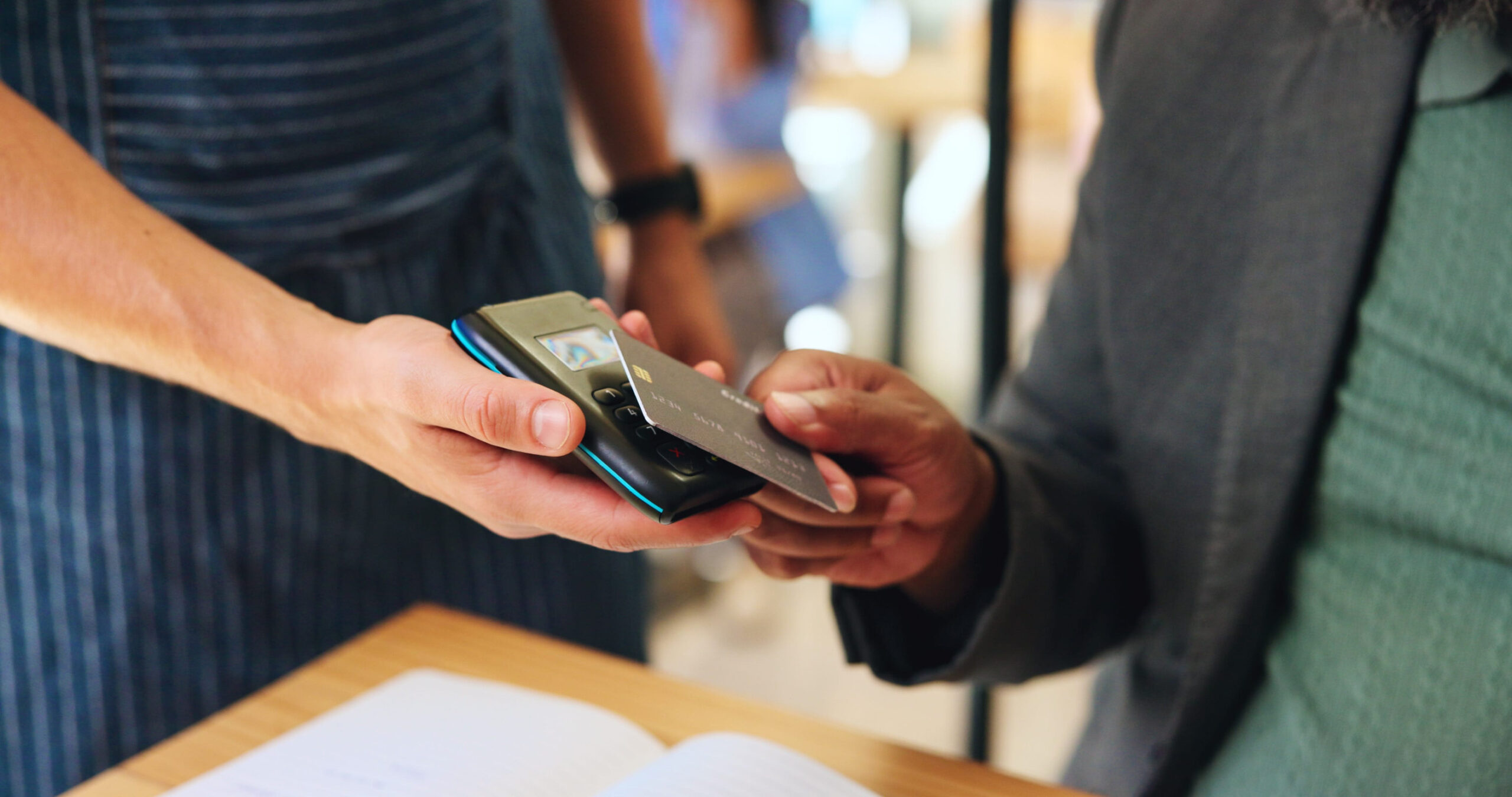
1. The Gas Pump
Pay-at-the-pump stations don’t know how much gas you will buy, so many place a temporary hold on your card before you fill up. A Scripps News consumer report found that pump holds can run as high as $150 at some chains, even if you only buy $30 worth of gas. On a debit card, that money is unavailable until the hold drops off.
Gas pumps are also a favorite spot for card skimmers. The Federal Trade Commission suggests checking that the pump panel is sealed, giving the card reader a wiggle and paying inside if you are worried. If you do use debit at the pump, the FTC’s advice on card skimming is to run it as credit instead of entering your PIN, so your PIN stays private.
2. The Hotel Front Desk
When you check in, most hotels place a hold for the estimated cost of your stay plus extra for incidentals. According to the FTC’s guide on when a company blocks your credit or debit card, paying the final bill with the same card usually clears that block within a day or two. Pay with a different card, cash or a check, though, and the block may last up to 15 days.
That can be a real problem during holiday travel, when you are also paying for meals, parking and gifts. Packing smart helps, too. A good personal-item survival kit for holiday flights can save you from buying overpriced extras at the airport, but the card in your wallet matters just as much.
3. The Rental Car Counter
Rental car companies work the same way as hotels and often place a sizable hold when you pick up the keys. Some also run extra checks or ask for more documentation from customers who pay with debit. Ask at the counter how much the hold will be and how long it will last, which the FTC recommends for any business that blocks part of your balance.
If you are flying in for the holidays, it helps to know these costs upfront, the same way travelers plan ahead to skip the checked-bag fee this Thanksgiving.
4. Restaurants and Bars
At a sit-down restaurant or a bar tab, your card often leaves your sight while the server runs it in the back. The first charge may also be authorized for more than your bill to leave room for a tip, then adjusted later. It usually sorts itself out, but on a debit card the difference sits in limbo in your checking account until it does.
We covered similar situations in 7 places to think twice before swiping your credit card, and the same rule of thumb applies here: if a card is going to be handled out of view, use the one that puts the least of your own money at risk.
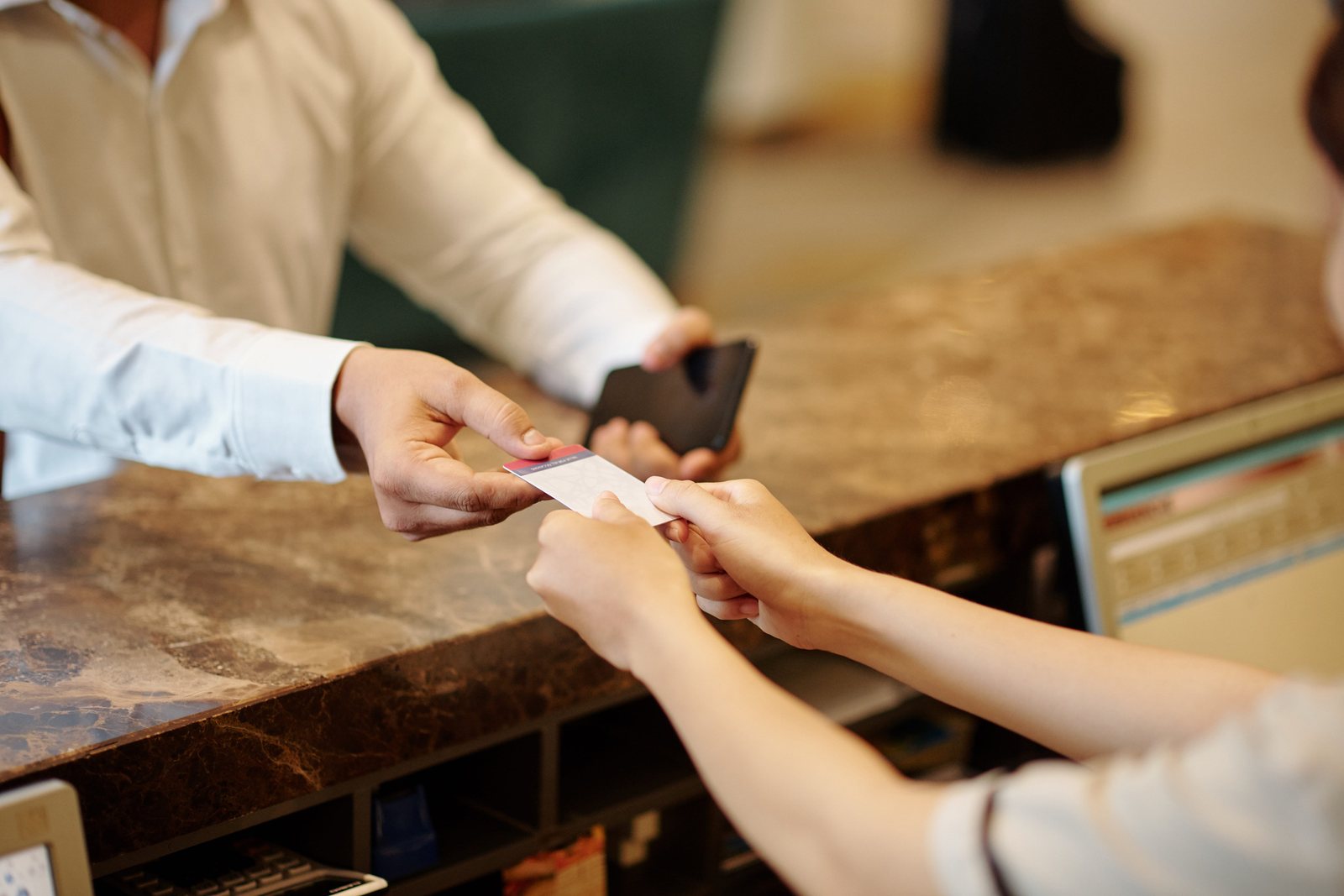
5. Online Shopping, Especially New Sites
Shopping online with a debit card means the money leaves your account right away. If the package never arrives, you are waiting on a refund for money that is already gone. With a credit card, federal law gives you a formal way to fight the charge. The FTC explains that you can dispute credit card charges for items that were not delivered as agreed, as long as you write to the card issuer within 60 days after the first bill with the error was sent. That is one reason some households put every bill on one credit card and pay it off monthly.
Holiday shopping on unfamiliar sites, flash sales and social media ads are the riskiest spots. When in doubt, check out with a credit card or a trusted payment service, and gift shopping for travelers, such as luggage sets for holiday trips, is no exception.
6. Stand-Alone ATMs and Card Readers in Busy Tourist Spots
Freestanding ATMs in convenience stores, festivals and tourist areas can be easier for skimmers to tamper with than machines attached to a bank branch. That matters more for debit than credit. The FTC’s page on lost or stolen credit, ATM and debit cards explains that your maximum loss on a credit card is $50. With a debit card, it can be $50 if you report within two business days, up to $500 if you wait longer, and potentially everything taken if you wait more than 60 days after your statement is sent.
7. Big Deposits and Prepaid Bookings
Down payments to a contractor, holiday travel packages, concert tickets and event deposits are large, paid well in advance and sometimes hard to get back if plans fall through. Paying with a credit card gives you dispute options and keeps that money in your checking account until the bill comes due, as long as you pay it off on time.
The Bottom Line
Debit cards are still great for groceries, everyday errands and getting cash at your own bank. Just think twice before handing one over at the pump, the hotel desk or the rental counter. Keep an eye on your account, set up low-balance alerts and report a lost or stolen card right away, because with debit, timing really matters.