Swedish Candy Just Broke Into America’s Top 10 Halloween Favorites
Move over, peanut butter cups. A new kind of candy is getting plenty of attention in American snack aisles, with foamy textures, fruity flavors, sour coatings, and some very Swedish-looking skulls.
Swedish candy has been building buzz in the United States for the past couple of years, and BUBS has become one of the most visible brands behind the trend. The colorful gummies and foam candies that once felt like a specialty-store find are now showing up in major chains across the country.
Just do not call Swedish candy one of America’s official top 10 Halloween favorites yet.
The latest available research does not confirm that claim. BUBS appears in CandyStore.com’s 2026 Halloween ranking material, but its exact national position could not be verified. Other national Halloween sales lists also do not include BUBS in their top 10.
What is clear, however, is that Swedish candy is becoming much harder for American shoppers to ignore.
BUBS Has Gone From Viral Treat to Mainstream Candy Aisles
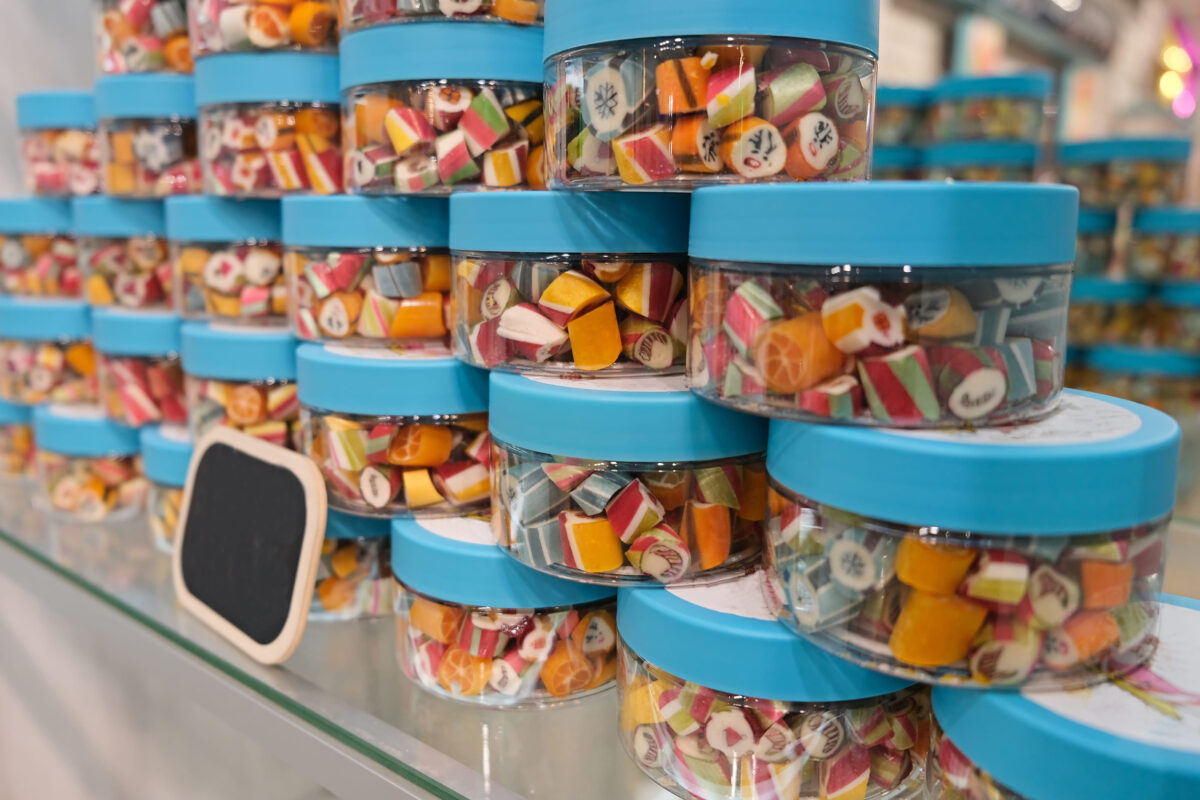
BUBS says it reached more than 60,000 U.S. retail stores within 12 months of its official American launch in September 2025.
That is a pretty dramatic change for a candy brand that many U.S. shoppers recently had to hunt down online or at specialty candy shops.
Earlier in 2026, Retail Brew reported that BUBS was already available in around 35,000 U.S. retail locations. Major retailers connected to its expansion include Target, Walgreens, Kroger, Costco, and Walmart.
In other words, the Swedish candy craze is no longer something that exists only on your phone screen.
It is sitting on actual shelves.
Related: 10 Things Kids in the 1970s Did on Halloween That Would Shock Parents Today
Halloween Is Giving Swedish Candy Another Big Moment
BUBS leaned directly into the Halloween season this year.
The brand announced limited-edition Halloween packaging for its Lemon Raspberry Skalle candy, which has a skull shape that already looks like it was designed for October.
The Halloween-packaged candy was announced as a Five Below exclusive.
That gives BUBS a legitimate Halloween connection, even though there is not enough evidence to say Halloween itself is driving the brand’s overall U.S. growth.
Target has also listed a Favorite Day Swedish-Style Halloween Fall Harvest Candy Mix, another sign that the Swedish candy look and style have found a place in seasonal American candy displays.
Related:9 American Towns That Go All Out for Halloween
Why Is Everyone Suddenly Talking About Swedish Candy?
Texture is a big part of the appeal.
Many BUBS candies are not quite traditional gummies and not quite marshmallows. Some have a light, chewy foam texture that feels very different from the chocolate bars and hard candies Americans usually see in Halloween bowls.
The flavors are playful too.
BUBS’ documented U.S. lineup includes combinations such as lemon and raspberry, strawberry and vanilla, blueberry and raspberry, and strawberry and pomegranate.
Then there is the sour factor.
Sweet-and-sour candy has already developed a huge audience in the United States, so Swedish candy does not feel completely unfamiliar. It simply gives shoppers a new version of something they already enjoy.
TikTok Helped Put the Candy on Americans’ Radar
Like so many modern food trends, Swedish candy got a boost from social media.
Retail Brew linked some of the early American excitement to a January 2024 TikTok filmed at BonBon, a Swedish candy retailer in New York.
Business Sweden has also pointed to TikTok, YouTube taste tests and influencers as channels that helped expose American consumers to Swedish sweets.
That does not mean TikTok single-handedly caused the boom. Wider retail distribution, manufacturing partnerships and careful product choices were also important parts of the expansion.
Still, watching someone scoop a giant bag of colorful candy on TikTok is certainly one way to make people suddenly want one.
Americans Are Not Getting Every Swedish Flavor
Here is another interesting twist.
BUBS did consumer testing before choosing flavors for its U.S. lineup.
One flavor that did not make the cut was raspberry licorice.
That matters because salty, strong licorice flavors are often associated with Scandinavian candy culture, but they don’t appear to be leading the current American trend.
Instead, the U.S. assortment leans more heavily toward fruity, sweet-and-sour combinations.
So American shoppers are getting a Swedish candy experience, but one carefully adjusted for local tastes.
Pick-and-Mix Candy Is Expanding Too
BUBS is not the only name bringing Swedish-style candy into more American stores.
Sockerbit announced a pick-and-mix pilot at 17 Sprouts stores in California and Florida, along with plans to bring packaged products to roughly 500 stores.
Pick-and-mix candy is a familiar part of Swedish candy culture. Instead of buying one standard bag, shoppers can choose several different candies and build their own mix.
It is basically a candy buffet, which is difficult to argue with.
The Swedish tradition known as lördagsgodis, or “Saturday sweets,” is also closely connected with buying loose mixed candy. The custom became associated with families enjoying candy on Saturdays, although modern Swedish candy habits are much more flexible than that tradition might suggest.
Traditional Halloween Favorites Are Still Winning
For all the excitement, familiar American brands still dominate the Halloween candy rankings.
The latest Instacart-based national list, using October 2025 orders, placed Reese’s Peanut Butter Cups first, followed by Peanut M&M’s, Hershey’s Milk Chocolate, M&M’s and Snickers.
BUBS did not appear in that national top 10.
Another CandyStore-related national sales list reported in October 2026 also left BUBS outside the top 10.
Still, signs of regional traction emerged. BUBS was reportedly the No. 3 candy in Kentucky and New York on CandyStore’s 2026 state map, although that finding comes through secondary reporting rather than a fully verified original dataset.
So no, Swedish candy has not officially conquered Halloween.
But it has leaped from viral curiosity to major U.S. retail shelves remarkably quickly.
And when a Swedish skull-shaped candy starts showing up beside the chocolate bars in October, it is probably safe to say the candy bowl is getting a little more interesting.