Before You Open That Dream Restaurant, Read This: 7 Chefs’ Hard-Won Lessons
Opening a first restaurant can look glamorous from the outside: a packed dining room, a signature dish, your name on the sign, and a kitchen humming at full speed. The reality is less cinematic and much more complicated. Chefs who have done it say the food is only one part of the job; the rest is permits, payroll, repairs, staffing, customer expectations, and finding enough cash to stay calm when it all happens at once.
That is not a reason to abandon the dream. It is a reason to approach it with open eyes. Food & Wine recently asked its 2026 Best New Chefs what they wished they had known before opening, and their answers were strikingly consistent: budget more than you think, give yourself time, protect your energy, and understand that owning a restaurant means becoming the person responsible for far more than what is on the plate.
Great Cooking Is Only One Job
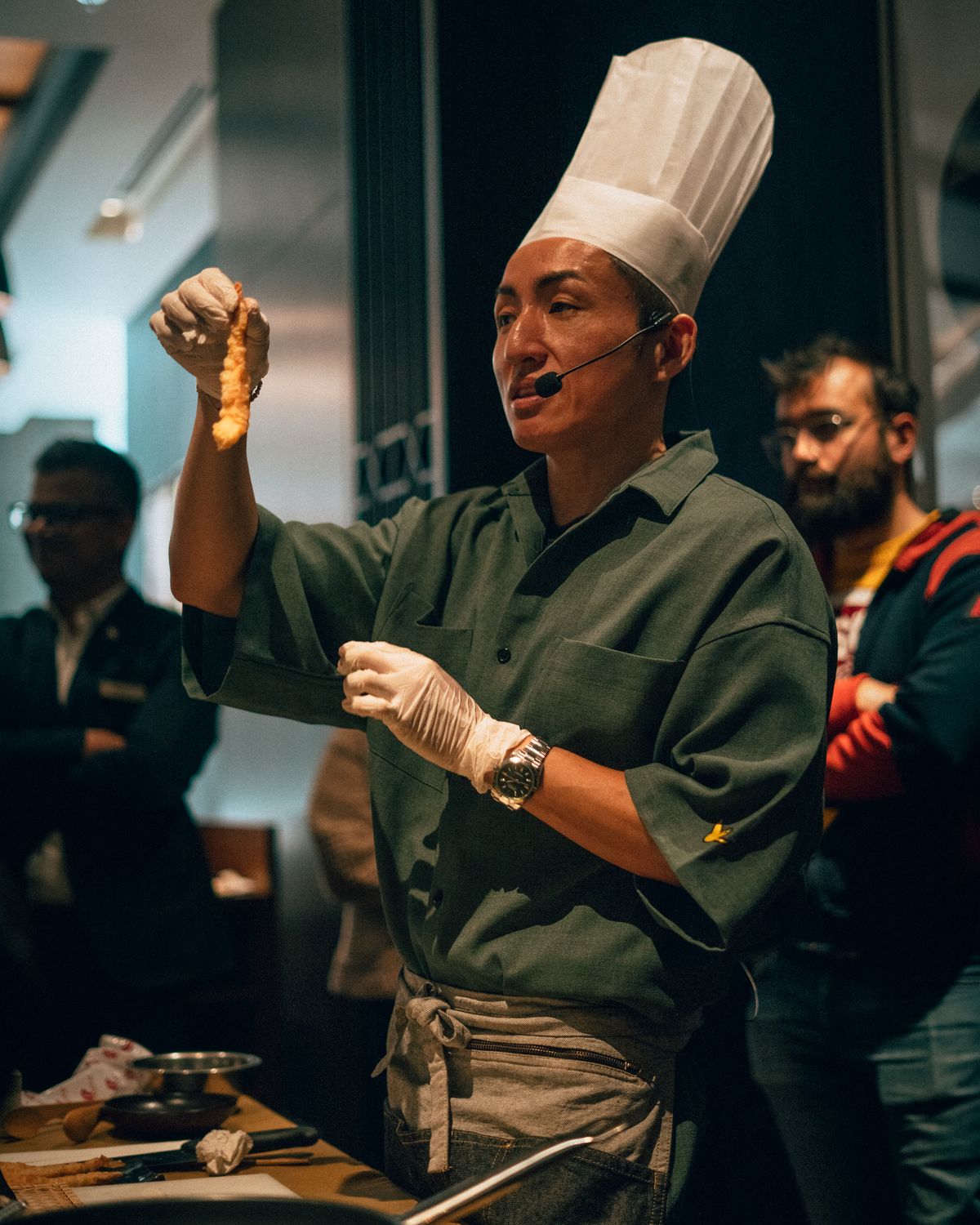
A chef can create the best braised short rib, pasta, or fried chicken in town and still struggle if the business side is not working. Restaurant ownership involves ordering food, tracking inventory, hiring, scheduling, training, marketing, paying vendors, fixing equipment, handling guest complaints, and monitoring costs. The kitchen may be the heart of the place, but the operation needs a full circulatory system to survive.
Chef John Manion, owner of Chicago’s El Ideas,put the reality bluntly in his advice to aspiring owners: “Being an excellent cook is only about 15% of running a successful food business.” He wrote that owners will also need to function as leaders, accountants, marketers, customer-service managers, mediators, and sometimes dishwashers. The point is not that chefs should stop cooking; the role expands dramatically once the restaurant opens.
That expansion is especially important in the current operating environment. The National Restaurant Association’s 2026 industry report found that 42% of restaurant operators said their businesses were not profitable in 2025. Median pre-tax income was 2.8% of sales for full-service restaurants and 4% for limited-service businesses in 2024, according to the association. Those are narrow margins, leaving little room for an owner to treat bookkeeping, purchasing, or labor scheduling as background details.
Your Opening Budget Needs a Bigger Cushion
The most repeated advice from chefs is simple: budget beyond the opening-day number. The costs that surprise new owners are often small individually: extra tools, repairs, delayed deliveries, utility deposits, additional staffing, replacement equipment, or another round of construction work, but they can pile up before the business has built a steady customer base.
Gian Carlo Reinardy, chef and co-owner of The Paper Bridge in Portland, Oregon, offered an unusually vivid version of that warning. “Overbudget on the amount of working capital for the start,” he said. “You always think you have enough but there are always these many small purchases right before and after opening that eat away at what you thought would be enough.” His additional advice? “Also, buy more extension cords.”
That frustration is backed by a difficult industry cost picture. The National Restaurant Association says food costs in 2025 were 38% higher than in 2019, while labor costs had risen 35% over the same stretch. In its survey, 82% of operators reported higher average food costs in 2025 than in the prior year, and more than 9 in 10 operators identified food, labor, insurance, and overall inflation as significant challenges.
Chef Manion’s recommendation is even more conservative: build a contingency fund and keep enough money to operate for six months to a year, assuming you take no income from the business. Not every restaurant will need that much runway, and every market and concept is different, but the underlying lesson is sound. A grand-opening budget is not the same thing as an operating budget, and neither is the same thing as a personal paycheck.
Related: McDonald’s Plans $8.5 Billion Push to Modernize Restaurants Through 2036
Patience Is an Operational Skill
Opening a restaurant can create a dangerous sense of urgency. Rent is due, construction must finish, investors need reassurance, staff must be hired, and social-media followers ask when they can book a table. But rushing a decision about a location, lease, menu, contractor, or opening date can create problems that last long after the opening balloons come down.
Melissa López, chef and co-owner of Barra Santos in Los Angeles, summed up the emotional side of the lesson in a short piece of advice: “Be patient with yourself. It’s not all going to come at once.” Rishi Kumar, the chef behind Mirra in Chicago, offered a related warning about self-imposed pressure: “You don’t have to put that much pressure on yourself. It will still work out.”
Patience matters because restaurant openings depend on approvals and construction timelines that owners cannot always control. OpenTable’s guide for prospective operators notes that a restaurant needs a concept and business plan, a workable location, a realistic budget, permits and licenses, a priced menu, a trained team, technology systems, and a marketing plan. A liquor license, zoning issue, inspection, or kitchen buildout can affect the timeline depending on the city and the kind of business being opened.
A soft opening can help turn that patience into a practical advantage. Rather than making the first full night of paid service the restaurant’s first real test, operators can invite a limited group, run the menu and systems under real conditions, and then fix problems. OpenTable calls the soft opening a “dress rehearsal,” useful for identifying issues with kitchen pacing, guest service, menu execution, technology, and reservations before the larger public launch.
Staff Turnover Is Not a Side Problem
New restaurant owners often focus on assembling a talented opening team. That matters enormously, but keeping a stable team can be just as difficult. Employees leave, people call out, schedules change, and the person who knows how to handle a crucial station may not always be there when Friday dinner service gets hectic.
Manion wrote that employee churn can feel “like a revolving door,” even in a strong restaurant. “Every time the team changes, you’ll have to go through the discipline of teaching someone new,” he said. His advice is not to expect the perfect team to appear and remain unchanged, but to build systems and training that can withstand inevitable movement.
The labor market makes that preparation essential. The National Restaurant Association found that about 6 in 10 operators reported receiving fewer-than-average applicants for manager and chef-or-cook positions in 2025. Nearly half of operators said they had difficulty filling open jobs, while 22% said their restaurants did not have enough employees to support existing demand.
That makes written recipes, clear station procedures, cross-training, and thoughtful scheduling more than management buzzwords. They help a restaurant keep serving consistent food when one person leaves, gets sick, or simply cannot work a particular shift. A chef-owner who has to personally cover every surprise may keep the doors open, but eventually runs into the next lesson.
Long Hours Can Become the Default
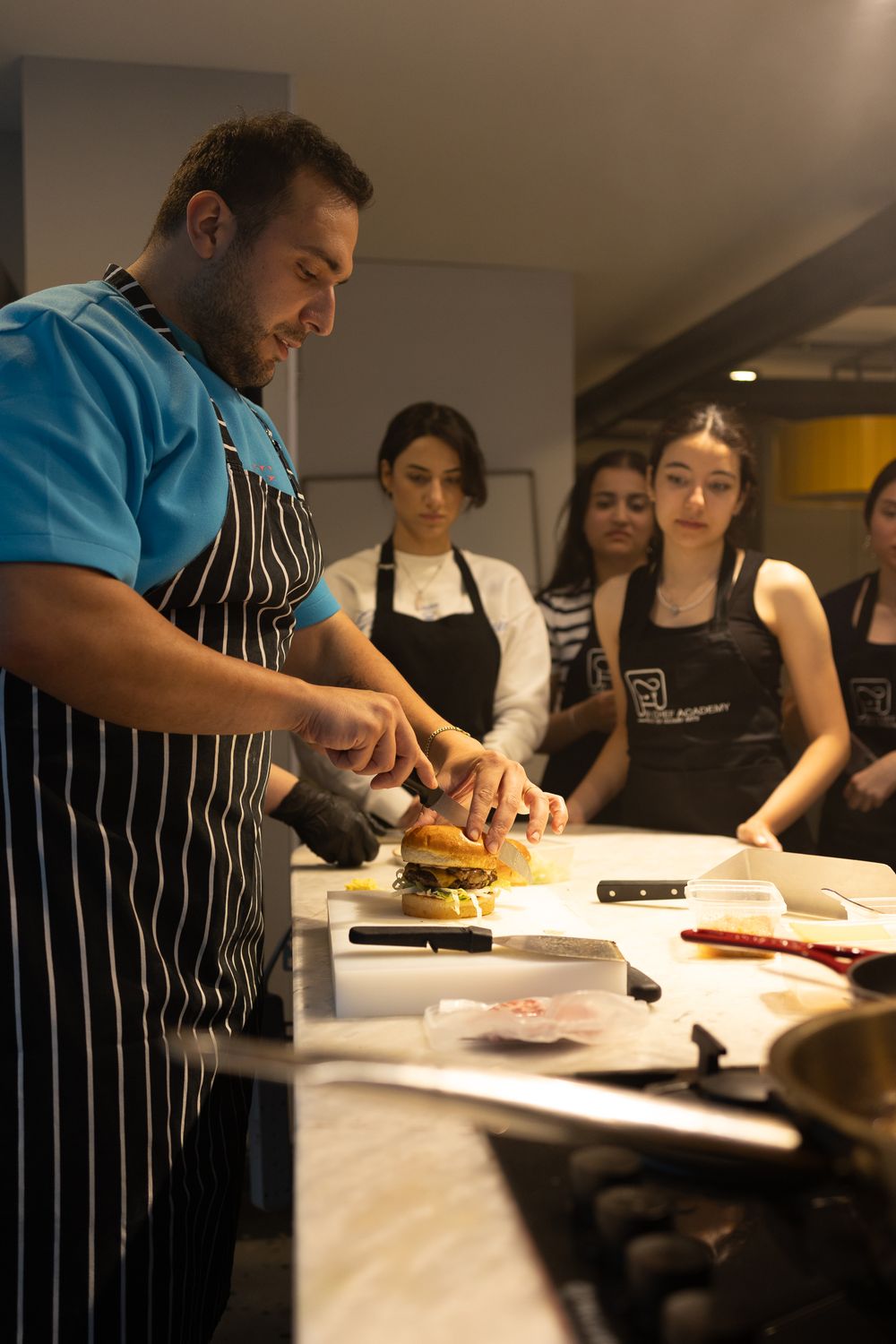
Restaurant work has never been known for gentle hours, but ownership adds a different type of pressure. The owner may think about tomorrow’s deliveries while closing tonight’s service, check payroll after midnight, or answer a vendor message on the rare morning off. The restaurant does not become less demanding simply because the owner is no longer on someone else’s schedule.
Carlos Delgado, chef and owner of Causa in Washington, D.C., said he knew restaurant work involved long hours but did not realize “it was going to become a compulsion to try to do more and keep working.” He described the tension between pushing to evolve and accepting that not everything can happen at once. That is a useful warning for people who mistake exhaustion for proof that they are doing the job well.
Quynh Nguyen, also of The Paper Bridge, advised prospective owners not to treat every setback as a disaster. “Sometimes you won’t be able to fix something right away and just need to take a step back and assess,” she said. “Everything will get solved eventually.” That is not a promise that every problem has an easy solution. It reminds you that panic rarely improves a broken refrigerator, a late invoice, or a chaotic service.
Your Story Can Be a Business Strength
The final lesson may be the least financial, but it matters just as much. Many first-time owners feel pressure to fit a narrow idea of what a chef or restaurateur should look like. The chefs who have found their footing say the personal history behind the food and the business can be an asset, not something to hide.
Masako Morishita, chef and owner of Perry’s in Washington, D.C., said people once advised her not to mention that she had been a cheerleader because they feared it would make others take her less seriously. “The person I am today is built with all the past experience,” she said. “I don’t do that anymore, and I really want to tell my younger self, just believe in yourself. Be confident in who you are.”
The best first-restaurant lesson is not that the work will be easy. It is that success requires more than confidence in a dish. It requires enough capital to absorb surprises, enough patience to avoid rushing critical choices, enough systems to support the staff, and enough self-awareness to protect the person running the whole show. The food may draw the first crowd, but those habits are what give a restaurant a real chance to keep cooking.