Think You Know Pizza? These 9 Regional Styles Might Start a Delicious Argument
Pizza gets much more interesting when you stop treating New York and Chicago as the entire conversation. Across America, cities and towns have developed distinctly local versions, from Detroit’s cheese-crusted rectangles to Philadelphia’s tomato-covered bakery slabs. Some are foldable, others demand a fork, and a few barely bother with cheese. These nine styles show just how differently the country interprets the same basic idea: dough, toppings, and something worth coming back for.
This is a tasting tour, not a declaration of the nation’s best pizza. Regional traditions overlap, recipes vary between shops, and Chicago alone earns two spots because its signature styles deliver completely different experiences. Third-generation pizza maker John Arena, co-founder of Las Vegas’ Metro Pizza, put it neatly in PMQ Pizza Magazine: “Some chefs would claim that there are as many pizza styles as there are people who make them.” Consider this your introduction to nine delicious expressions of local pride.
The Big-City Heavyweights
New York-style: New York City
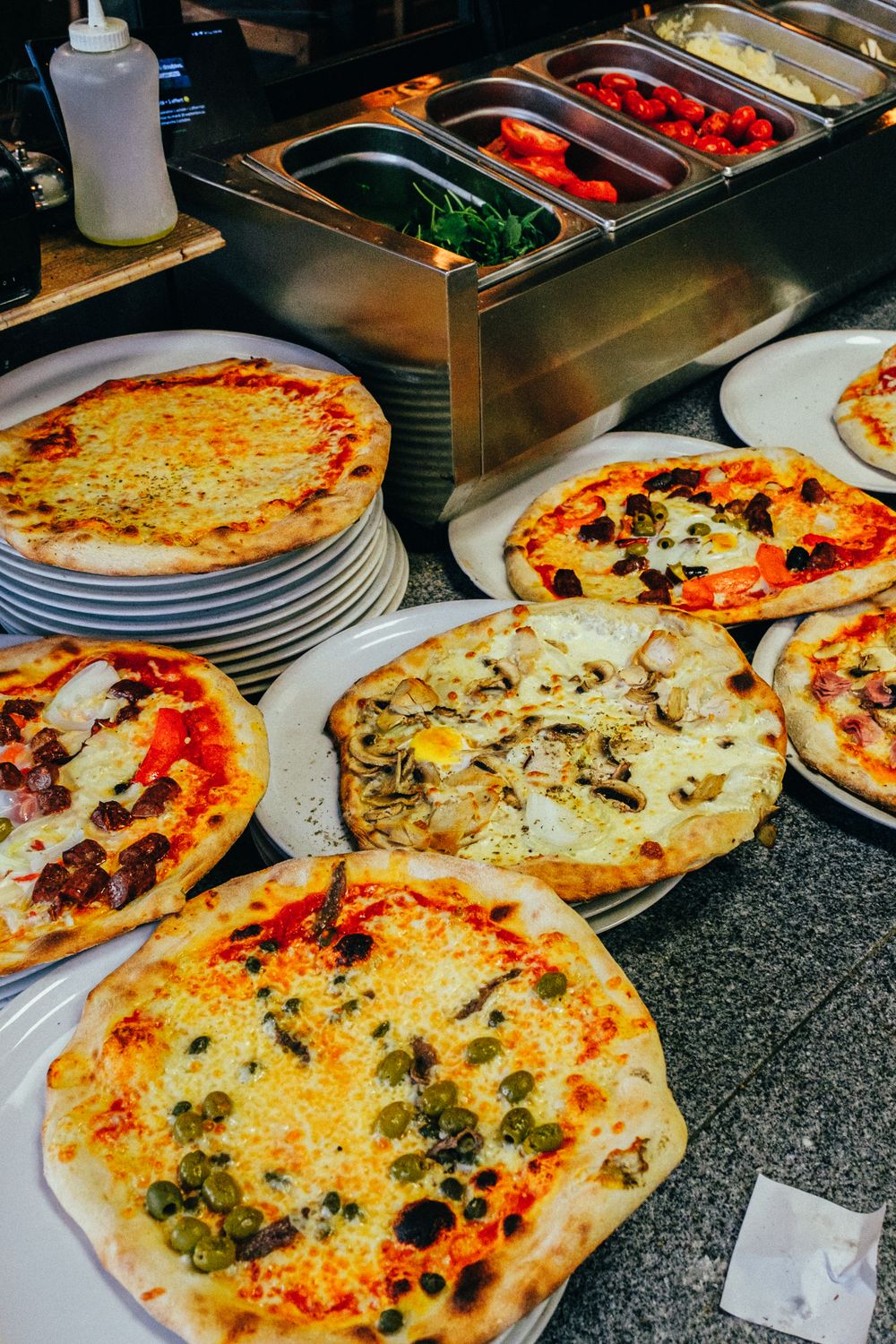
The defining move is the fold: a broad triangular slice with a thin crust that bends without abandoning its toppings. Tomato sauce and mozzarella do the familiar work, while a browned bottom supplies structure. Pizza maker and former tour guide Miriam Weiskind explained the connection between gas ovens, reheated slices, and modern slice culture to The Washington Post: “This is when they’re able to reheat slices.” Joe’s Pizza, opened by Naples native Joe Pozzuoli in 1975, is a landmark example of that classic slice-shop tradition.
Chicago deep-dish: Chicago
Deep-dish builds upward, pressing dough along a tall pan before adding cheese, fillings, and a covering of tomato sauce. The result looks imposing, but its high sides shouldn’t be mistaken for a uniformly thick slab of bread. Its history centers on the restaurant that became Pizzeria Uno, where the style emerged in 1943. Lou Malnati’s, founded in 1971, became another major name in the tradition. This is the pizza equivalent of settling into your chair rather than eating on the move.
Chicago tavern-style: Chicago
Chicago’s other essential pizza heads in the opposite direction: thin, crisp, and cut into small squares rather than oversized wedges. Its roots lie in the city’s bar culture, with historian Peter Regas tracing its appearance to the late 1930s. Journalist and Chicago pizza author Steve Dolinsky told The Washington Post, “Tavern-style pizza really is Chicago-style pizza.” That is his assessment, not a reason to erase deep-dish. It reminds us that Chicago’s pizza identity has room for both a towering dinner and a cracker-crisp, shareable pie.
Where Texture Takes Over
Detroit-style: Detroit
Detroit-style pizza makes the corner piece a serious prize. A rectangular pan produces an airy, springy interior and browned bottom, while cheese pushed against the sides creates a caramelized border. Sauce generally goes above the cheese, and Wisconsin brick cheese is a traditional choice. The style dates to Buddy’s in 1946, where Gus Guerra helped establish the local tradition. Stories connecting the original pans directly to automotive assembly lines remain part of its lore, but historian Karen Dybis could not authenticate that specific claim.
New Haven apizza: New Haven
In this Connecticut city, the word is “apizza,” pronounced “ah-beetz,” and a darkly charred crust is a defining feature rather than something to apologize for. The pies are thin, often irregularly shaped, and made in intensely hot ovens. Frank Pepe Pizzeria Napoletana opened in 1925, Modern Apizza in 1934 and Sally’s Apizza in 1938, forming the city’s celebrated trio. Pepe’s white clam pie is a signature variation, but New Haven’s ancestral tomato pie also deserves attention. More than one famous seafood topping makes it here.
Related:Pizza Guys Is Expanding in Texas With a New Fort Worth Location
St. Louis-style: St. Louis
St. Louis keeps the crust thin and crunchy, cuts its round pizzas into squares, and makes cheese a distinguishing feature. The signature ingredient is Provel, a blend of cheddar, Swiss, and provolone that melts into a creamy layer rather than a classic mozzarella stretch. Imo’s, which opened in 1964, helped make that combination widely recognizable. Its own description calls crust, cut, and cheese the three essentials. Order this style expecting crisp bites and a different cheese texture, not a smaller version of a New York slice.
Sauce Stars And Local Originals
Trenton tomato pie: Trenton
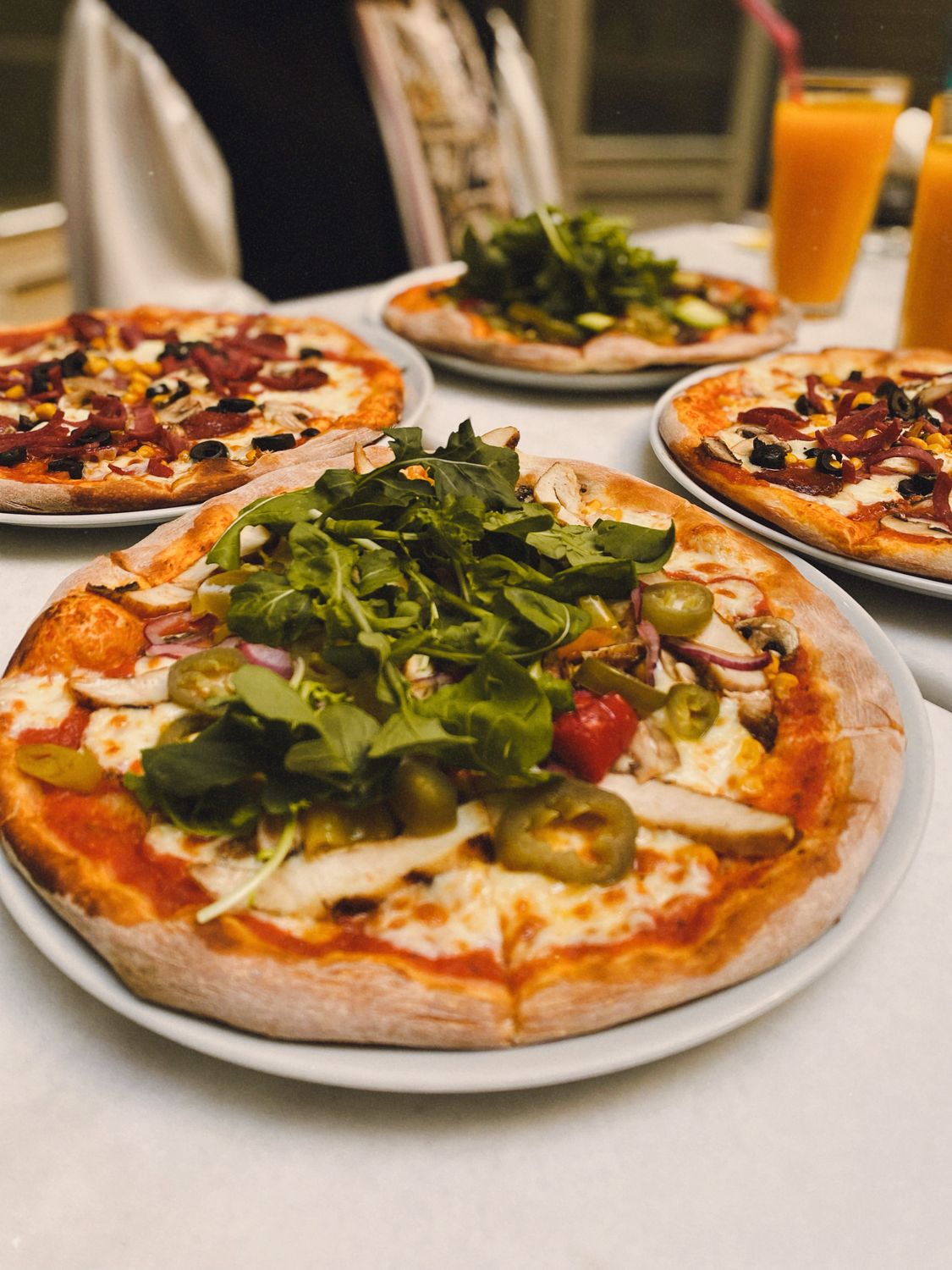
Trenton’s tomato pie is round, thin, and crisp, with a construction detail that changes the whole experience: cheese and other toppings go down before the tomatoes. The sauce gets the spotlight instead of disappearing under mozzarella. Papa’s Tomato Pies opened in Trenton in 1912, while De Lorenzo’s followed in 1947; both later established themselves in nearby Robbinsville. Their histories belong to the Trenton tradition even though those familiar destinations moved beyond the city. Despite its name, this tomato pie is not the same bakery-style creation found across the river in Philadelphia.
Philadelphia tomato pie: Philadelphia
Philadelphia’s version swaps the thin round base for a thick, focaccia-like rectangle covered with substantial tomato sauce. It is traditionally served at room temperature, with little cheese beyond a possible dusting of Romano or Parmesan. Food writer and Philadelphia native Hawk Kralle described the distinction in a passage reproduced by Serious Eats: “The best tomato pies come room temperature from old-school neighborhood bakeries rather than hot from a pizzeria.” This is a bakery tradition with its own identity, not a conventional cheese pizza that somebody forgot to reheat.
Old Forge-style: Old Forge
This final stop is a Pennsylvania borough, not a big city, and its pizza comes with its own ordering vocabulary. Ask for a “tray” rather than a pie and a “cut” rather than a slice. The rectangular, pan-baked style comes in red and white variations: red has tomato sauce and cheese, while white is usually sauceless and double-crusted, with a generous cheese filling and rosemary on top. The local tourism bureau promotes Old Forge as the “Pizza Capital of the World”, a hometown claim, not an objectively awarded global title.