8 Foods It Can Be Illegal to Forage on Public Land Without a Permit
That basket of wild berries or mushrooms may be free, but taking it home can still break the rules. The U.S. Forest Service reported that people gathered more than half a million pounds of food from public forests in 2013, and agencies continue to manage popular wild foods through permits, collection limits, seasons, and restricted areas.
The rules are becoming especially important as interest in outdoor harvesting grows. Washington wildlife officials said in 2026 that harvest pressure at some public shellfishing beaches has increased in recent years, and shellfish policy coordinator Chris Eardley noted that “there’s an adventure for everyone” across the state’s public beaches. The catch is simple: check the rules before filling your bag.
Ramps
valdasds1/123rf
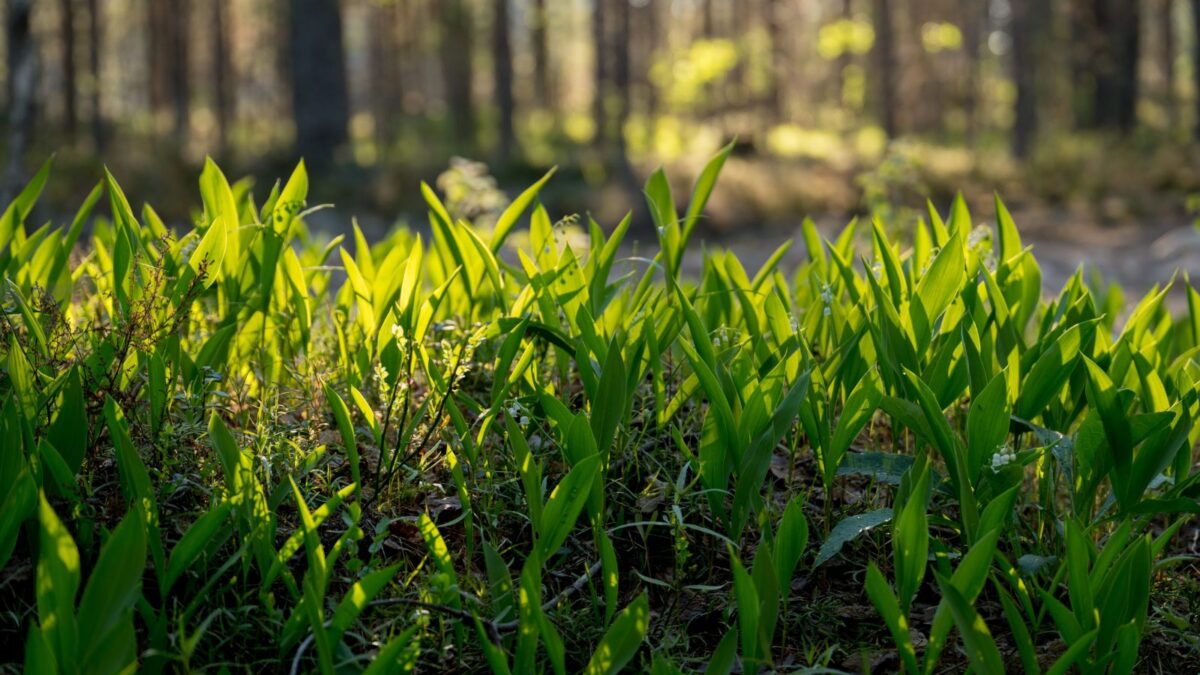
Ramps, also called wild leeks, are a prized spring find, but you cannot simply start digging them anywhere. The Cherokee National Forest currently states that forest-product permits are required for harvesting ramps, and its visitor guidance tells collectors to contact the appropriate ranger office before gathering them.
Finding ramps on public land does not automatically give you permission to take them home.
Fiddleheads
Those tightly curled young fern shoots may look like an easy trailside harvest, but some forests regulate them closely. Flathead National Forest guidelines place fiddleheads under a free-use permit system, limiting fern greens to 20 pounds per permit per calendar year and prohibiting the collection of whole plants or roots.
When the land manager requires paperwork, even personal-use picking needs to follow the permit.
Related: These 8 nostalgic meals vanished because they are too much work
Wild Berries
Berry rules show why public-land foraging can get confusing. On Mt. Baker-Snoqualmie National Forest land, visitors may eat berries while in the forest without a permit, but removing collected berries generally requires a free-use permit, which allows up to five gallons per household per year for personal use.
Snacking on a handful and carrying home a bucket can be treated very differently.
Morels, Chanterelles, and Other Wild Mushrooms
Mushroom hunters should never assume a small personal harvest is automatically exempt. Current Forest Service guidance for the Deschutes, Fremont-Winema, Umpqua, and Willamette National Forests says a free-use permit is required, allowing up to two gallons per day during any 10 days per calendar year for mushrooms other than matsutake.
The mushrooms may be wild, but the harvest is still regulated.
Matsutake Mushrooms
Matsutake mushrooms have their own rules in Oregon’s Siuslaw National Forest. Personal collectors may take up to six mushrooms per person per day without a permit, but they must slice them in half lengthwise before leaving the forest, and commercial gathering requires a permit. The forest listed commercial matsutake permits at $250 annually, with only 100 permits offered for the Central Coast Ranger District.
You may be allowed a few mushrooms, but larger or commercial harvesting changes the rules quickly.
Razor Clams
Foraging does not stop where the forest meets the beach. In Washington, everyone age 16 or older digging razor clams must have a valid 2026-2027 recreational license, including people gathering them on public beaches.
Grabbing a shovel and heading to a public beach isn’t enough. Check the season and get the proper license first.
Oysters and Mussels
Washington also requires a shellfish or combination license for recreational harvesting of foods such as oysters, mussels, scallops, and several types of clams. Rules can change by species and beach, and 2026 brought new limits, including a 2½-inch minimum size for cockles and a reduced geoduck daily limit of one per person.
That changing rulebook reflects a wider trend toward closely managing heavily used public harvesting areas. The honest verdict: check the specific beach before bringing your bucket.
Related: 10 American Foods That Make Visitors Scratch Their Heads- But Many Americans Still Love
Kelp and Other Seaweed
Seaweed may seem like the ultimate free beach ingredient, but Washington treats recreational kelp gathering as a licensed activity. A valid shellfish/seaweed or combination license is required, and the recreational limit is generally 10 pounds of wet seaweed per person per day, with additional closures and restrictions in places such as marine preserves and many state parks.
Public shoreline does not mean unlimited harvesting rights.
Before bringing wild food home, check which agency manages the land or beach, because a permit, license, quantity limit, season, or complete closure may stand between a fun foraging trip and an illegal harvest.