10 Pantry Organizing Mistakes That Waste Space
A pantry can look completely full and still waste plenty of space in plain sight. That matters even more as homeowners prioritize smarter storage: Houzz’s 2026 U.S. Kitchen Trends Study found that 47% of renovating homeowners added pantry cabinets, while 16% included walk-in pantries.
The bigger trend is simple: storage should work harder, not just look prettier. Designer Misty Callaway puts it well: “Specialty and built-in storage is fundamental to how today’s kitchens function.” Here are 10 common mistakes that can quietly steal valuable pantry space.
Organizing for Looks Instead of Your Routine
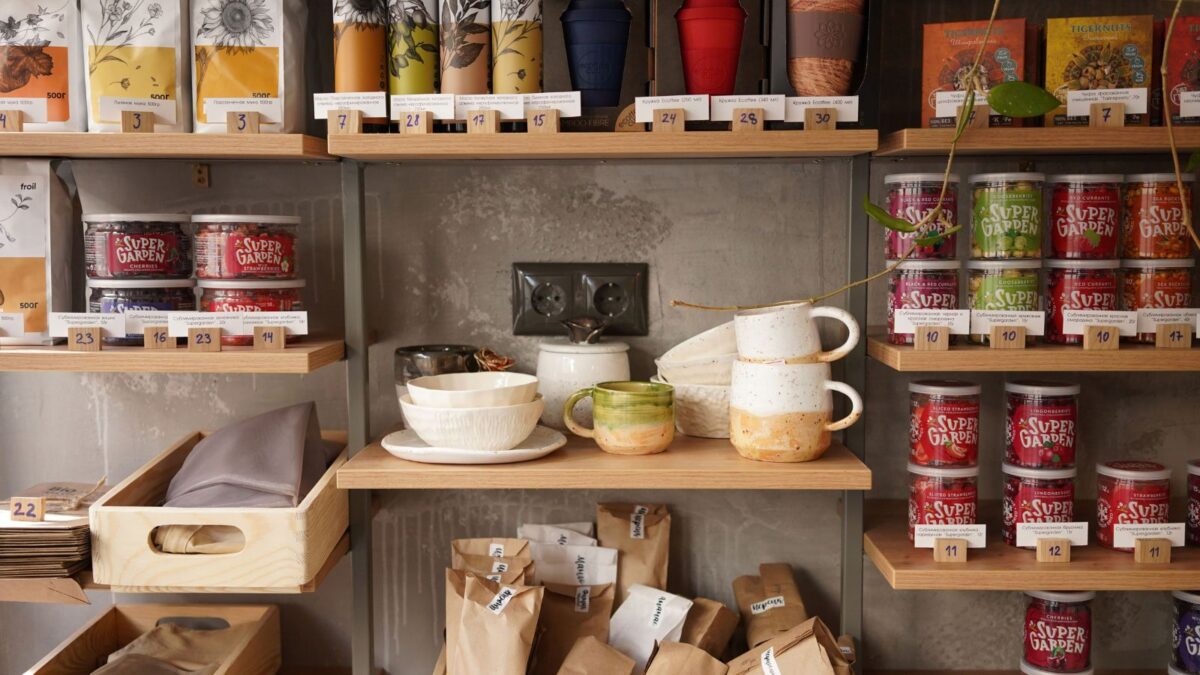
A picture-perfect pantry is not very useful if your everyday snacks are six feet off the ground and your rarely used baking supplies take the best shelf. Organizing expert Rachel Rosenthal recommends building the pantry around the way your household actually uses food, saying, “Organizing around your habits and routine…makes your pantry more functional and efficient.”
The honest verdict: Give your most-used items the easiest-to-reach space, even if the arrangement is less Instagram-ready.
Buying Organizers Before Measuring
Those matching baskets might look fantastic in the store, but an inch too wide can turn them into expensive clutter. Professional organizer Ashley Hines recommends, “Declutter, measure, and draw out a plan before buying anything.”
Measure shelf width, depth, and height first, including the space between shelves. The best organizer is the one that actually fits.
Mixing Everything Together
Pasta beside cereal, baking chocolate behind canned beans, and snack bars scattered everywhere make a pantry feel smaller because you cannot quickly see what you own. Rosenthal recommends grouping similar products together, such as snacks, grains, baking ingredients, and coffee supplies.
Simple zones also make empty space easier to spot and use. Categories do not need to be fancy. They just need to make sense to you.
Ignoring the Space Above Your Food
Tall shelves often have several inches of empty air sitting above short cans, jars, or boxes. Tiered racks, adjustable shelves, stackable storage, and shelf risers can turn that unused height into practical storage.
This is already a major kitchen trend. Houzz reports that 94% of homeowners upgrading cabinets included specialty storage features, with pullout shelves, deep-drawer organizers, and corner trays each appearing in 34% of those kitchens.
Related: 6 Ways to Declutter Your Pantry and Maximize Space
Letting Deep Shelves Become Black Holes
Deep shelves sound generous until three rows of groceries disappear behind one another. Items pushed to the back are harder to see, which makes that extra depth far less useful.
Turntables can make bottles and small containers easier to reach in deep corners, while tiered organizers help keep cans visible. Professional organizer Alison Molder specifically recommends turntables for tricky pantry corners because they make items easier to reach.
Decanting Absolutely Everything
Matching clear jars are a huge social media organizing trend, but transferring every cracker, chip, and individually wrapped snack can require more containers than the pantry needs. Professional organizer Mary Cornetta argues that decanting is most useful for selected staples such as pasta, rice, flour, oats, and baking ingredients, not every packaged food.
So decant when it genuinely saves space or improves access. Do not turn your pantry into a container collection.
Keeping All Your Backstock With Everyday Food
Bulk shopping can quickly overwhelm prime pantry shelves. Extra boxes and unopened packages do not need to sit beside the products you are currently using.
A separate backstock zone on a higher shelf or another suitable storage area can keep daily supplies manageable. Organizing experts also recommend keeping only what you need immediately in the main working pantry when bulk supplies start taking over.
Related: 6 Pantry Essentials to Toss for a Healthier Kitchen
Skipping Labels and a Simple Inventory
Mystery bins invite duplicates. When nobody knows what belongs in a basket, random packages eventually fill it, and usable space disappears.
Labels make categories easier to maintain, and Rosenthal recommends tracking items you are running low on or have too much of. This matters beyond neat shelves: USDA estimates that 30% of the U.S. food supply is lost or wasted at the retail and consumer levels, with confusion over food date labels contributing to waste.
Putting New Groceries in Front of Older Ones
You unload the shopping bags, push everything onto the nearest shelf, and suddenly older cans and boxes vanish behind the new ones. That is how perfectly usable pantry space gets filled with forgotten food.
Rosenthal recommends the simple “first in, first out” method: keep older products toward the front, and put newer purchases behind them. It takes seconds and makes the pantry easier to shop before your next grocery run.
Forgetting the Door, Walls, and Other Dead Space
Shelves are not the only storage area in a pantry. Empty wall sections and the back of a suitable pantry door can sometimes hold narrow shelving or organizers for lighter, frequently used items.
Rosenthal also recommends using upper and lower areas for bulky or seldom-used products while protecting central shelves for everyday essentials. The goal is not to stuff every inch. It is to make every useful inch earn its place.
A better pantry does not require more square footage. A few smart zones, better visibility, and less wasted shelf space can make your pantry feel surprisingly bigger.
I can also make this more playful and magazine-style or tighten it to about 750 words if you want a faster Easy Everyday Recipes read.