Trump Administration Widens ‘Ghost Student’ Crackdown After Fraud Rings Target Millions in College Aid
A college student who never attends class sounds like a campus slacker. A student who does not exist at all is something far more expensive.
Federal officials are intensifying their fight against “ghost students,” fake or stolen identities used to enroll in colleges, apply for federal aid and collect refund money. The latest push includes a Treasury Department warning to banks, new identity screening inside the FAFSA system and prosecutions involving millions of dollars.
The confirmed evidence does not show that the Department of Education just uncovered one new ring that stole “tens of millions.” Instead, officials have identified a nationwide collection of schemes, including a Michigan operation that caused more than $16 million in aid to be awarded and more than $10 million to be disbursed.
How Ghost Students Turn FAFSA Applications Into Cash

The scam does not require a lecture hall, a backpack or even a real student. It starts with personal information.
According to the Treasury Department’s Financial Crimes Enforcement Network, fraudsters may steal someone’s identity and use it to apply to a college. Criminals can also create synthetic identities by combining stolen information with fabricated details and AI-generated documents. Victims, including minors, may have no idea that financial aid is being collected in their names.
Other schemes rely on “straw students.” These are real people who willingly provide their personal information, often for payment, so fraud organizers can enroll them and collect the resulting aid refunds. Treasury also warned that corrupt college employees can assist by recruiting participants or manipulating academic records.
Once aid covers tuition and school charges, remaining funds may be sent to what appears to be the student’s bank account. Fraudsters can then move the money through other accounts, shell companies, digital assets or money mules. Treasury is now urging financial institutions to flag suspicious patterns, including one account receiving refunds for several unrelated students.
The damage extends beyond lost money. Fake applicants can fill online classes, occupy waitlist positions and leave identity-theft victims facing unfamiliar debts. Jason Williams, an assistant inspector general at the Education Department, called the problem “a huge issue.” His office had more than 200 open investigations, and federal officials had investigated more than $350 million in suspected ghost-student fraud over five years.
A Decade-Long Michigan Scheme Reached More Than 100 Schools
One of the clearest examples emerged in Detroit.
Brandon Robinson pleaded guilty on May 6 to wire fraud and aggravated identity theft after prosecutors said he led a student-aid scheme running from January 2015 through February 2024. Court records showed fraudulent claims connected to more than 1,200 people, over 100 schools and 24 states.
Prosecutors said the operation caused more than $16 million in federal aid to be awarded, with over $10 million actually disbursed. Robinson also admitted filing more than 100 fraudulent unemployment claims that generated over $1 million in additional payments. His sentencing was scheduled for September 1, 2026.
“More than 1,000 fake students. A decade of fraud,” U.S. Attorney Jerome Gorgon Jr. said, describing the operation as industrial in scale.
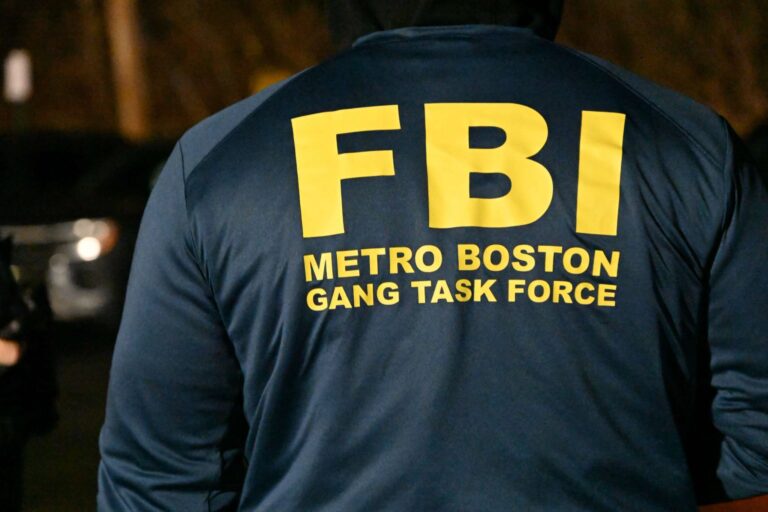
Two other people pleaded guilty in related proceedings. Investigators from the Education and Labor departments worked on the case with assistance from the FBI.
The Michigan case is not an isolated one. At a July 7 higher-education fraud summit, the Education Department also highlighted a North Carolina ring involving more than 80 people and over $5 million in aid, along with a separate $5 million student-loan-forgiveness scheme. The department said its inspector general’s investigations had produced more than $35 million in restitution, settlements, fines, savings, recoveries and forfeitures during the previous 12 months.
New FAFSA Screening Puts Applicants Through Real-Time Checks

The Education Department introduced real-time, risk-based identity screening within the FAFSA system in April. Every application is evaluated, and applicants considered sufficiently risky can be required to present government-issued identification before receiving Pell Grants or federal loans. Previously submitted FAFSA forms for the 2026-27 aid cycle were also scheduled for review.
“Federal student aid is meant for students, not fraudsters,” Education Secretary Linda McMahon said after the House approved the No Aid for Ghost Students Act. The legislation would require the department to use an identity-fraud detection system to review FAFSA applications for reasonable suspicion of fraud.
The bill passed the House in June and was referred to the Senate Committee on Health, Education, Labor and Pensions. It had not completed the legislative process in the latest official action listed by the Government Publishing Office.
Administration officials say their fraud controls have prevented nearly $2 billion in attempted federal student-aid fraud. That number represents the department’s estimate of money stopped or protected, not a court-confirmed total stolen by one fraud ring. The agency previously said its April screening system had blocked more than $100 million during its first weeks of operation.
Treasury Secretary Scott Bessent summed up the government’s argument plainly: “Every dollar stolen from Federal student aid is a dollar taken from taxpayers and deserving students.”
For legitimate students, that is the heart of the story. The money targeted by ghost-student rings was created to help people attend college, buy books and build careers. Stopping the fake students means protecting the real ones before another refund disappears into an account controlled by someone who never planned to enter a classroom.