10 States With the Most Farmers Markets, According to USDA’s Directory
Farmers’ markets have become much more than weekend stops for fresh tomatoes and homemade bread. They connect shoppers with farmers, growers, bakers, and other food producers, while giving communities a place to gather around seasonal food. The USDA’s National Farmers Market Directory lists markets where at least two farm vendors sell agricultural products directly to customers at a recurring physical location.
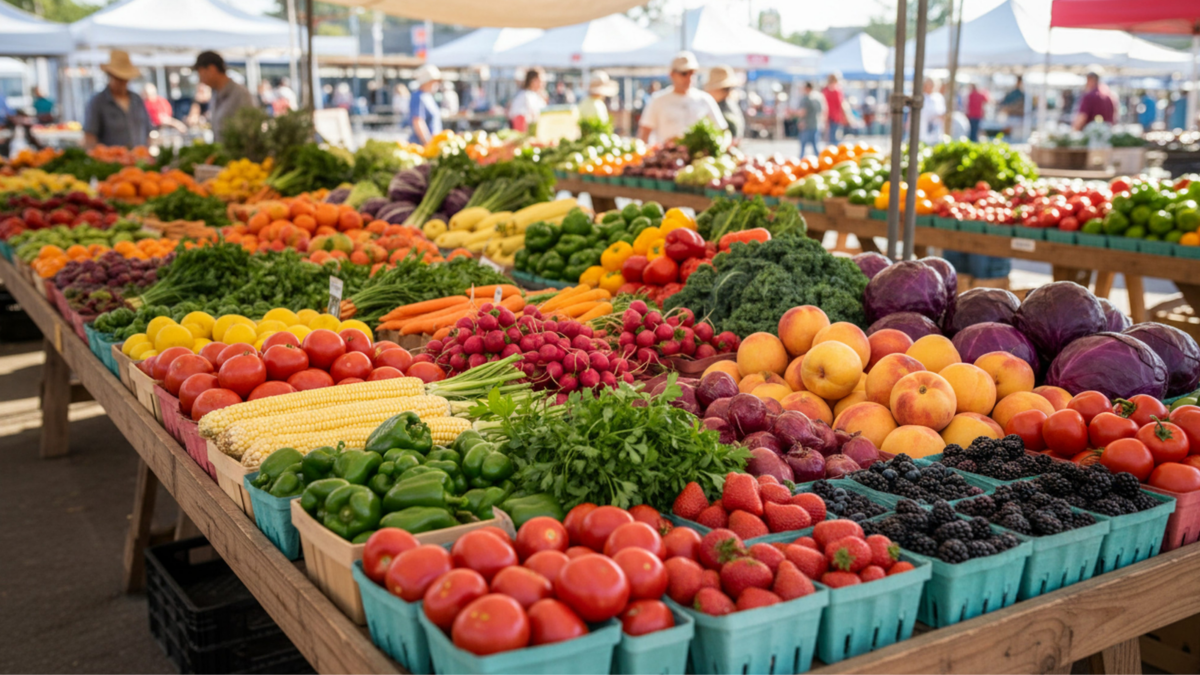
California, 647 Farmers Markets
California isn’t just America’s agricultural powerhouse—it also has the country’s largest farmers’ market network.
The latest count puts California at 647 farmers’ markets, making it the clear leader. Its enormous agricultural industry, long growing season, and large population create ideal conditions for direct-to-consumer food sales. From busy urban markets to smaller gatherings near farming communities, Californians have plenty of opportunities to buy seasonal food from local producers. The latest farmers market numbers put that lead into perspective.
New York, 555 Farmers Markets
New York may be famous for skyscrapers, but its farmers-market culture is enormous.
New York has 555 listed markets, placing it second nationally. That number is especially interesting because the state combines one of America’s biggest urban populations with extensive agricultural areas upstate. A farmers market in New York means a bustling city market one day and a small rural gathering the next.
Pennsylvania, 426 Farmers Markets
Pennsylvania’s third-place ranking shows just how deeply local food is woven into the state’s agricultural life.
With 426 markets, Pennsylvania sits comfortably among the country’s leaders. Its combination of fertile farmland and large population centers gives farmers a strong local customer base. Depending on the season, shoppers can find everything from produce and flowers to meats, cheeses, baked goods, honey, and preserves.
Minnesota, 390 Farmers Markets
Minnesota’s fourth-place position may be the biggest surprise on this list.
The state has 390 farmers markets, despite having a much shorter growing season than California or Florida. That makes the market season particularly important, with communities making the most of locally grown food during warmer months. Markets can become places where people shop, catch up with neighbors, and enjoy the short but abundant agricultural season.
Illinois, 369 Farmers Markets
Illinois combines major-city demand with serious agricultural production, and its market numbers reflect both.
The state has 369 farmers markets, with Chicago providing a huge urban customer base while smaller communities support markets throughout the rest of the state. That creates a strong bridge between consumers and producers. A shopper can find locally grown food without necessarily traveling far outside the city or suburb where they live.
Virginia, 336 Farmers Markets
Virginia’s 336 markets show that a farmers market can be much more than a produce stand.
One market might feature vegetables and fruit, while another brings together bakers, flower growers, honey producers, meat vendors, and prepared-food sellers. The mix changes with the season, which is part of what keeps shoppers coming back. Markets also give smaller producers a place to meet customers face to face instead of relying entirely on large retail channels.
Wisconsin, 335 Farmers Markets
Wisconsin comes just one market behind Virginia, proving that its food culture extends far beyond its famous cheese.
The state has 335 listed farmers markets, where shoppers can encounter vegetables, fruit, eggs, meat, flowers, bread, preserves, dairy products, and plenty of locally made specialties. The changing seasons are particularly visible here, with spring greens giving way to summer produce and berries before autumn brings another wave of harvests.
Michigan, 321 Farmers Markets
Michigan’s 321 markets reflect a state with an impressively diverse agricultural landscape.
Orchards, vegetable farms, specialty crops, and other producers give Michigan markets plenty to showcase during the growing season. The USDA’s directory can also help consumers find markets by location and learn about products, operating times, directions, and payment options. The agency’s broader local food listings cover farmers markets alongside other direct-to-consumer food outlets.
Massachusetts, 273 Farmers Markets
For a relatively small state, Massachusetts has an unexpectedly large farmers-market footprint.
Massachusetts has 273 markets, placing it ninth. Its combination of densely populated communities and smaller farming areas creates a natural customer base for local producers. During the growing season, these markets give residents an easy way to find regional food while supporting nearby farms and small businesses.
Related: The Small Businesses Turning Local Markets into More Than Just Shopping Trips
Florida, 246 Farmers Markets
Florida rounds out the top ten with 246 markets and a growing season that looks very different from the northern states above it.
Florida’s warm climate allows farmers to grow and sell crops during periods when northern markets are dealing with winter. The state also has an enormous visitor population, giving markets another potential audience. And with Sarasota recently receiving national attention for its farmers market, Florida’s strong showing makes its place in this ranking especially interesting.
The Numbers Tell a Bigger Story
The real surprise isn’t simply which state comes first—it’s how widespread farmers markets have become across America.
The USDA’s directory is a living database rather than a fixed annual ranking, so listings can change as markets open, close, or update their information. For perspective, USDA’s last nationwide National Farmers Market Survey estimated 8,140 farmers markets operating in the lower 48 states in 2019, while the current directory is continually updated.
The value of these markets goes beyond the numbers. You can ask where something was grown, find an ingredient you’ve never cooked, or build a meal around whatever looks best that morning. For many people, visiting a market becomes one of those simple everyday habits that makes a weekend feel a little more special.
The best part may be the unexpected discoveries. A strange-looking vegetable, unusual fruit, fresh bread, or locally made product can completely change what you bring home. Those surprises can be especially fun when you’re searching for surprising superfoods or simply looking for something different to put on the dinner table.
If you could spend a Saturday exploring farmers’ markets in one of these ten states, which state would you choose first?