7 Things You Should Think Twice About Cleaning With Dawn Dish Soap
Dawn dish soap has earned its spot beside countless kitchen sinks. It handles greasy plates, messy pans, and everyday dishwashing without much fuss. When something needs cleaning, reaching for that familiar bottle can feel like the obvious first move.
But here’s the catch: not everything in your kitchen is designed to be washed the same way. Some appliances have delicate internal components, certain kitchen tools come with surprisingly specific cleaning instructions, and a few everyday items shouldn’t be washed with dish soap at all.
Before you start scrubbing everything in sight, here are seven situations where putting down the Dawn bottle might be the smarter choice.
Your Dishwasher’s Wash System
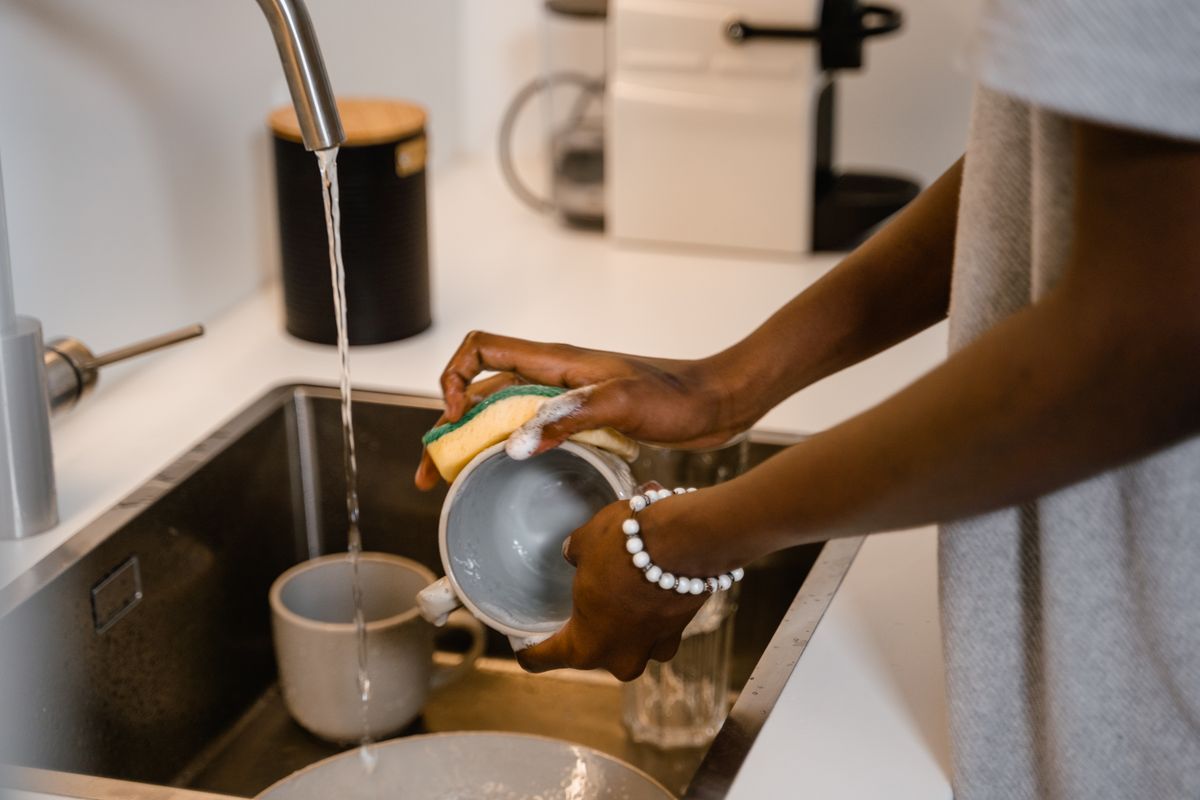
You might assume that if dish soap cleans dishes in the sink, it should work just as well inside the dishwasher. Unfortunately, that’s not how these machines operate.
According to Whirlpool’s dishwasher guidance, regular hand dishwashing liquid produces excessive suds when used in a dishwasher. Those bubbles can build up until they overflow through the machine’s door.
Even leftover dish soap from soaking dishes or concentrated prewash sprays can contribute to the problem.
Instead, use detergent specifically formulated for automatic dishwashers. When cleaning the dishwasher itself, choose the maintenance product recommended by its manufacturer.
The warning concerns soap entering the wash system, not necessarily wiping down the machine’s exterior.
Fresh Fruits and Vegetables
A little dish soap might seem like an extra-thorough way to clean apples, cucumbers, or other produce. After all, you’re already washing your plates with it.
However, the Food and Drug Administration advises against using soap or detergent to wash fresh fruits and vegetables.
The FDA explains that produce can absorb cleaning products even when rinsed afterward, and swallowing those residues can make people sick.
The recommended approach is much simpler. Rinse produce under running water while gently rubbing its surface. For firm items such as melons and cucumbers, use a clean produce brush.
Finish by drying everything with a clean towel. This guidance applies even when you don’t plan to eat the peel.
Related: 8 Old-Fashioned Cleaning Tricks That Still Work
Certain Porous Pizza Stones
Pizza stones can develop stubborn marks after repeated baking sessions, making a soapy scrub tempting. However, some manufacturers specifically advise against using detergents on their stones.
For example, Breville’s Crispy Crust instruction manual warns that cleaning liquids and detergents can soak into its pizza stone and later transfer to food during baking.
The company recommends wiping the stone with a damp cloth. Certain stains can be treated with a baking soda and water paste, followed by thorough drying.
Breville also cautions against immersing the stone in water because immersion can cause cracking. Not every pizza stone has identical requirements, so checking your particular model’s instructions is essential.
Manual Pasta Machine Rollers and Mechanisms
Making homemade pasta is satisfying. Cleaning the machine afterward? That’s usually the less exciting part. Before carrying your pasta roller to the sink, though, check what its manufacturer recommends.
Marcato specifically instructs owners not to wash its pasta machines and accessories with water or place them in a dishwasher. That means washing the rollers and internal mechanism with Dawn and water would go against the company’s care instructions.
Instead, Marcato recommends using a cloth and brush to clean the machine. Its Atlas Classic instructions specify a damp cloth and brush.
The important distinction is the cleaning method. This isn’t evidence that Dawn chemically damages pasta rollers. The issue is wet-washing equipment that the manufacturer says should not be washed that way.
The Metal Burrs Inside Your Coffee Grinder
Coffee grinders collect grounds and residue, so it’s understandable to want every component thoroughly washed. But some parts need a different approach.
Clive Coffee’s cleaning guide for the Baratza Encore warns that its metal burrs should not be washed with water because moisture can cause rusting and corrosion.
Instead of scrubbing them with dish soap and rinsing, remove accumulated grounds with a brush. Grinder-cleaning tablets may also be appropriate when the manufacturer recommends them.
Here’s where the distinction matters: the entire grinder isn’t necessarily off-limits to soap. Baratza permits washing certain removable components, including the hopper and grounds bin, with warm, soapy water. Dry those parts thoroughly before reinstalling them.
The metal burrs are the components that require special attention.
Related: What Is ‘Swedish Death Cleaning’? The Gentle Decluttering Method Explained
Your Brita Pitcher’s Filter Cartridge
Cleaning a water-filter pitcher seems straightforward until you get to the filter itself. Brita’s cleaning instructions make an important distinction between the pitcher components and the filter cartridge.
The company directs users to remove the filter and set it aside before washing the pitcher.
The pitcher, lid, and reservoir can be cleaned with mild detergent where permitted, followed by thorough rinsing. The filter cartridge, however, follows its own preparation and replacement instructions. Depending on the filter type, preparation may involve rinsing or flushing with cold water.
So, while dish soap may be suitable for cleaning parts of your Brita pitcher, don’t automatically include the filter cartridge in that routine. Treat the filter and its housing as separate components with different care requirements.
Your Coffee Maker’s Internal Brewing Circuit
Your coffee maker handles water and coffee every day, but cleaning its internal system isn’t the same as washing a coffee cup.
KitchenAid’s guidance for descaling coffee makers calls for a dedicated descaling product or, for models that permit it, a vinegar-and-water solution.
Regular dish soap isn’t the prescribed method for descaling the internal brewing circuit. Follow your machine’s model-specific instructions, including any required fresh-water rinse cycles after descaling.
That doesn’t mean every removable coffee-maker component needs special treatment. KitchenAid separately allows hot, soapy water for components such as the brew basket and carafe.
The key is knowing which parts you’re cleaning and whether you’re washing removable components or descaling the machine’s internal system.
Dawn remains a practical choice for ordinary dishwashing, but a kitchen contains more than plates and silverware.
From coffee grinder burrs to filter cartridges and pizza stones, the right cleaning method depends on the specific material, component, and manufacturer’s instructions.
Sometimes, the smartest cleaning decision is simply knowing when to leave the dish soap by the sink.