Trump’s Iran War Delivers a Big Oil Windfall While Americans Pay More at the Pump
The Iran war has created a brutal economic split. Oil tankers face danger, families struggle with higher transportation costs, and businesses pay more to move everything from groceries to construction materials.
Yet inside America’s largest oil companies, the same crisis has produced one of the richest quarters in recent history. ExxonMobil and Chevron earned approximately $26.6 billion between April and June, showing how quickly geopolitical chaos can become a corporate windfall.
The figures do not prove that President Donald Trump entered the conflict to enrich oil producers. They do, however, reveal who has gained financially from a war that has made everyday life considerably more expensive.
The War Turned an Important Shipping Route Into a Global Pressure Point

The Strait of Hormuz was once responsible for carrying roughly one-fifth of the world’s oil and natural gas. Fighting involving the United States and Iran severely restricted traffic through the narrow passage, cutting supplies and sending fear through global energy markets.
Brent crude climbed from around $70 a barrel to more than $100 during much of the spring, briefly reaching approximately $126. Every disruption, threat, and delayed tanker added another layer of uncertainty to fuel costs.
ExxonMobil Collected $14.5 Billion in Three Months.
ExxonMobil reported earnings of $14.525 billion for the second quarter of 2026, compared with just over $7 billion during the same period a year earlier. Its revenue and other income reached approximately $116 billion.
Chief Executive Darren Woods said the quarter was “shaped by disruption, but defined by execution.” The company credited its global operations, strong production, structural savings, and record second quarter diesel output for helping it benefit from an unusually favorable market.
Chevron Recorded Its Most Profitable Quarter
Chevron reported $12.1 billion in second quarter earnings, up dramatically from $2.5 billion during the same quarter in 2025. The company also recorded higher worldwide production and record crude processing at its American refineries.
Chevron said its refineries operated at 97 percent crude unit utilization while United States production reached a new high. The company’s performance shows that the firms best positioned to process and distribute limited supplies can earn heavily when the global system is under pressure.
American Drivers Are Paying the Wartime Premium
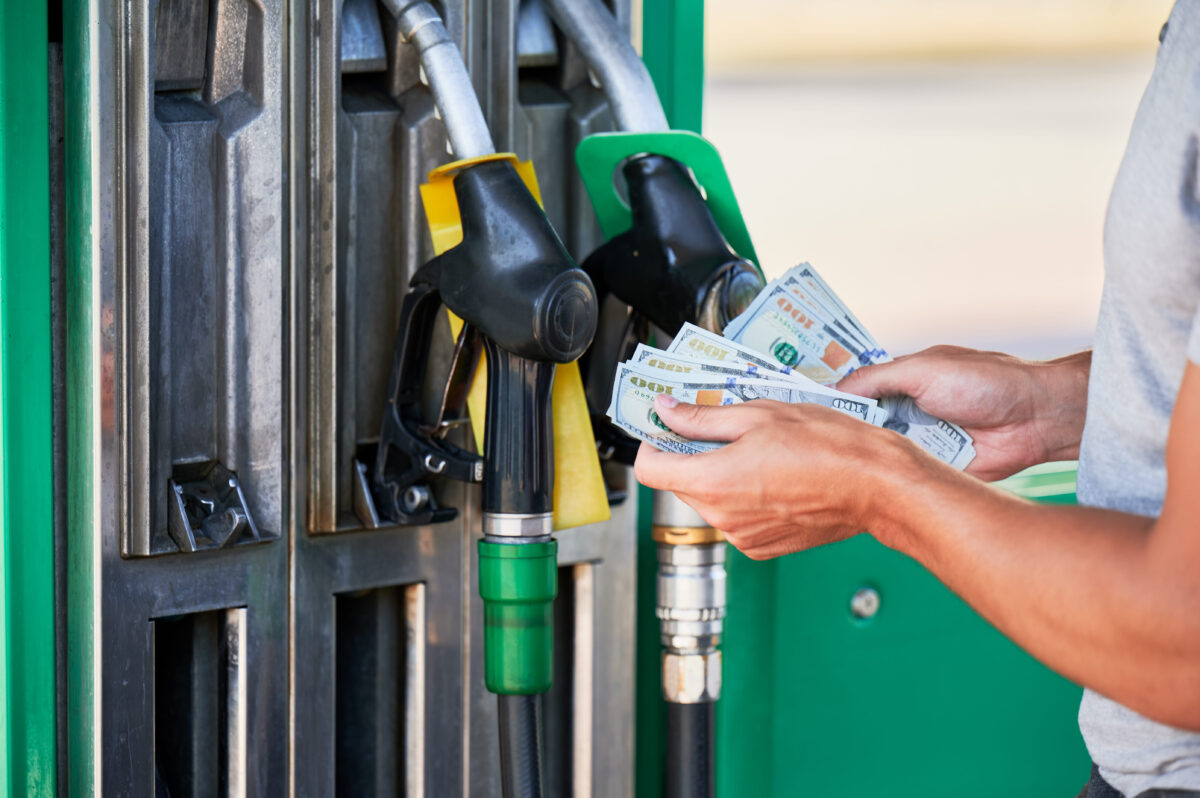
For ordinary Americans, the energy crisis is measured in dollars displayed above a gas pump. AAA reported that the national average for regular gasoline reached $4.10 per gallon on August 1, 2026.
That was nearly one dollar higher than the $3.15 average recorded a year earlier. Diesel averaged more than $5.36 per gallon, placing additional pressure on truckers, delivery companies, farmers, and businesses that eventually pass higher transportation costs to consumers.
The Pain Does Not Stop at Gas Stations
Higher oil prices spread through the economy because fuel is buried inside the cost of almost everything. Airlines need jet fuel, farms need diesel, factories need power, and delivery companies need gasoline to keep goods moving.
Consumers therefore pay for the war repeatedly. They pay while driving, booking flights, buying food, receiving deliveries, and covering utility bills affected by wider energy shortages. The oil shock becomes a quiet tax that reaches households long after the latest military headline disappears.
Refining Became a Hidden Profit Machine
Oil companies do not personally determine the international price of crude. Prices respond to supply, demand, trading, transportation risks, refinery capacity, and expectations about future disruptions.
However, integrated companies such as ExxonMobil and Chevron own both production and refining operations. With an estimated 9 percent of global refining capacity offline during the quarter, the remaining facilities enjoyed stronger margins for turning crude into diesel, gasoline, and jet fuel.
Billions Flowed Back to Investors
ExxonMobil returned $9.4 billion to shareholders during the quarter, including $4.3 billion in dividends and $5.1 billion in share repurchases. Chevron returned approximately $6.5 billion while also reducing debt.
These are legal and common corporate decisions, but the contrast is politically explosive. Families are trimming grocery budgets and reconsidering summer travel while investors receive billions generated during an international supply emergency.
Trump Now Faces an Uncomfortable Energy Contradiction

Trump has repeatedly promoted American energy production as a path toward lower costs and national strength. Yet the war has demonstrated that record domestic output cannot fully protect consumers when global shipping routes and refining networks are disrupted.
The president has also criticized high gasoline prices and supported scrutiny of petroleum markets. Reuters reported that federal authorities warned oil companies that they were monitoring fuel prices, while Trump publicly connected Exxon and Chevron to an investigation into expensive gasoline.
Calls for a Windfall Tax Are Returning
Democratic lawmakers have renewed proposals to tax extraordinary oil profits and redirect some of the money to consumers. Senator Sheldon Whitehouse argued that families who depend on work trucks and vans are being hit especially hard by gasoline prices above $4.
Supporters say the companies are benefiting from circumstances they did not create through innovation or increased productivity. ExxonMobil’s Woods has rejected windfall taxes as misguided, warning that such policies discourage investment and punish companies for surviving the oil industry’s unpredictable cycles.
A Diplomatic Pause May Not Bring Immediate Relief
On August 2, Trump said he was canceling planned new strikes after regional allies outlined a possible agreement intended to reopen the Strait of Hormuz and address Iran’s nuclear program. Iran had not publicly accepted the proposal when the announcement was reported.
Even a successful agreement would not instantly restore damaged infrastructure, depleted fuel inventories, or confidence among shipping companies. Energy prices are driven partly by expectations, and fear can remain in the market long after weapons temporarily fall silent.
The Winners and Losers Are Becoming Impossible to Ignore
The Iran war has produced no simple economic story. Some oil operations have been damaged, shipping companies face enormous risks, and petroleum producers do not control every movement in global prices.
Still, the results are unmistakable. ExxonMobil and Chevron posted nearly $27 billion in combined quarterly earnings while American gasoline remained above $4 per gallon and consumers faced higher costs throughout the economy.
War creates casualties far beyond the battlefield. In this conflict, motorists, small businesses, airline passengers, and families are absorbing the financial damage, while the strongest oil companies are recording historic returns.
That does not automatically make corporate profit a crime. It does make the political question unavoidable: when national decisions produce extraordinary private gains and widespread public pain, who should carry the cost?