America Still Wants a Milkshake With Its Fries and Nostalgia Is Only Half the Story
The milkshake has survived generations of menu makeovers because restaurants can keep refreshing it without making it unfamiliar. A chocolate malt and a seasonal peach shake are different experiences, but both deliver the same basic promise: a cold, creamy treat that can sit beside a meal or become the reason for the visit. Its staying power is visible in restaurant identities, recurring seasonal releases, and a soda-fountain history stretching back more than a century.
That does not mean every American loves milkshakes, or that the category is enjoying record-breaking sales. The more convincing story is its continuity. Walgreens documents an influential ice-cream malt created in 1922; Steak ’n Shake still makes shakes central to a brand founded in 1934; and Chick-fil-A continues to rotate seasonal flavors alongside its classics. The milkshake has not needed one spectacular comeback. It has kept finding ways to stay on the menu.
The Milkshake Was a Social Drink Before It Was a Drive-Thru Treat
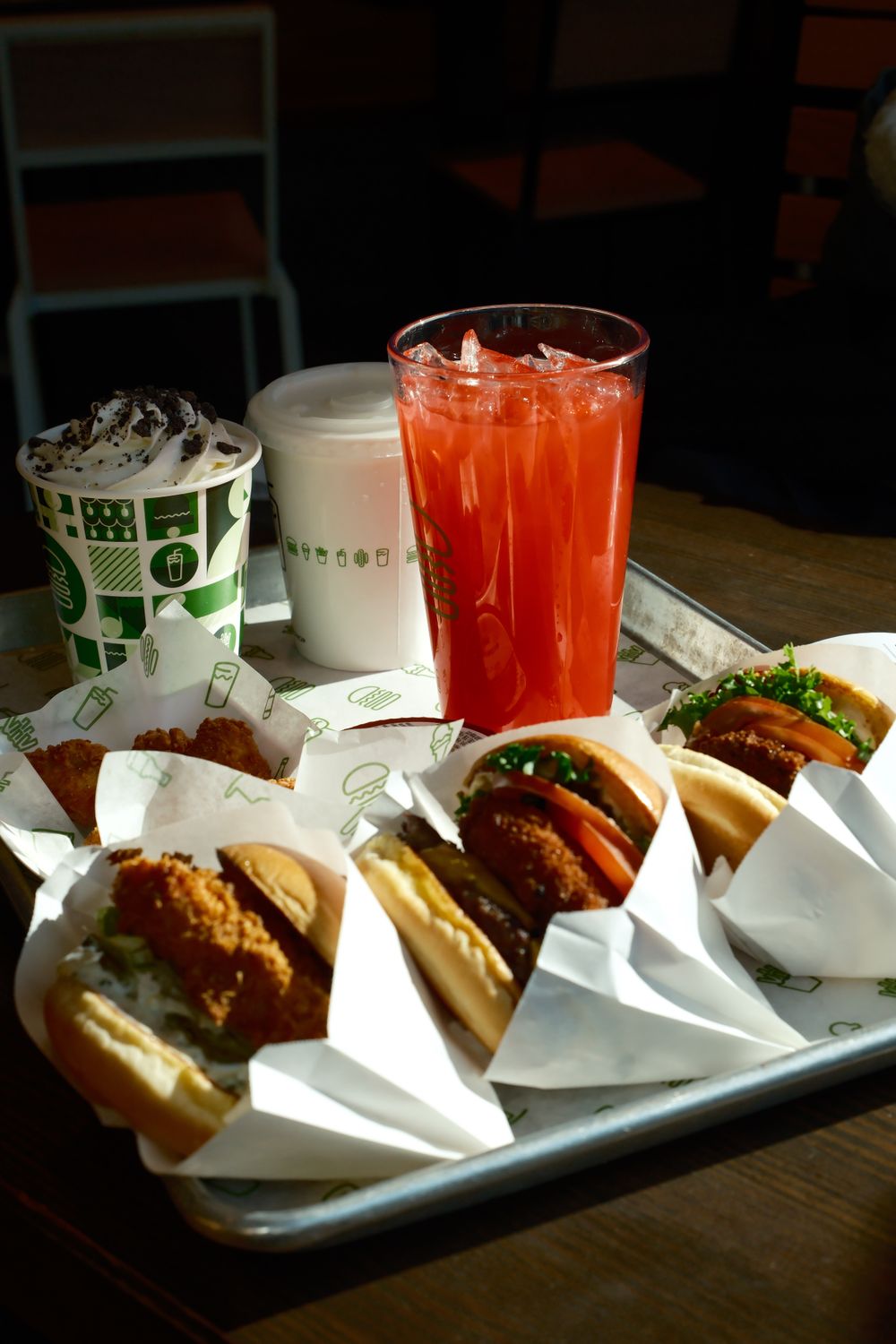
An important chapter in milkshake history began at a pharmacy soda fountain. In 1922, Walgreens fountain manager Ivar “Pop” Coulson added vanilla ice cream to a malted-milk preparation, creating the company’s Double-Rich Chocolate Malted Milk. Walgreens says the drink sold for 20 cents and became a customer favorite. Coulson deserves credit for that particular development, but not for every beverage ever called a milkshake: earlier versions of milkshakes and malted-milk drinks already existed.
The fountain setting helped make the drink part of everyday life. Walgreens describes its early soda fountains as gathering spaces where people sat, talked, and ordered drinks and ice cream. Charles R. Walgreen and his wife, Myrtle, added hot meals in winter, making the counters year-round destinations. The modern association between shakes and casual meals therefore has deeper roots than a burger advertisement. The treat was part of a place where eating, drinking, and spending time together overlapped.
Walgreens’ published version of Coulson’s malt still includes details that make the experience feel generous. They blend chocolate syrup, vanilla ice cream, milk, and malt powder, then serve it with whipped topping, a cookie, a straw, and a long-handled spoon. The extra mixture goes alongside the glass in the malt can. It is a small service ritual, but an effective one: the customer gets a full glass and a visible little bonus, while the spoon acknowledges that this “drink” may need a little help.
That history also explains why a malt and a milkshake are not always the same order. Malt powder is a defining ingredient in Coulson’s preparation, while other restaurant shakes use different flavorings and frozen-dessert bases. For example, Chick-fil-A specifies that its shakes use its Icedream dessert. The category is familiar, but the ingredients aren’t universal. That gives restaurants room to develop a recognizable house version rather than serving one standardized drink everywhere.
Familiar Flavors Can Still Feel New
Steak ’n Shake demonstrates how thoroughly the drink can become part of a restaurant’s identity. The company describes itself as a classic American brand born on Route 66 in 1934 and continues to emphasize homemade milkshakes alongside its Steakburgers. That is not evidence that every diner depends on shake sales. It clearly shows a restaurant keeping the burger-and-shake pairing as a defining promise rather than a decorative nod to the past.
Seasonal flavors offer another way to sustain interest. Chick-fil-A’s standard lineup includes vanilla, chocolate, strawberry, and cookies and cream, while its seasonal rotation includes peach and peppermint chip. The structure is straightforward: keep dependable choices available and give customers occasional reasons to try something else. According to the company’s current availability information, the Peach Milkshake’s 2026 run ran from June 8 through August 22, so it shouldn’t be presented as available this October.
The peach version also has a personal recipe story. Chick-fil-A says chef Angela Canada developed it, inspired by her family’s homemade peach ice cream and a classic hand-crank preparation. The company reports that the shake went through more than 15 iterations before reaching the flavor combination introduced in 2009. That development history makes an important point: an approachable treat can still involve considerable testing. “Simple to order” does not necessarily mean “casually invented.”
“For me, and many of our guests, Chick-fil-A’s Peach Milkshake signals the arrival of summer,” company chef Christy Cook said in a 2024 announcement. This is a brand representative’s description, not an independent survey of American summer traditions. But the shake’s repeated return supports the broader observation: a familiar flavor can become a seasonal marker. Customers get something recognizable with a limited window, giving an established treat a fresh reason to matter.
Related: 5 Bedtime Snacks That Can Help Satisfy Late-Night Cravings
The Appeal Goes Beyond a Vintage Glass
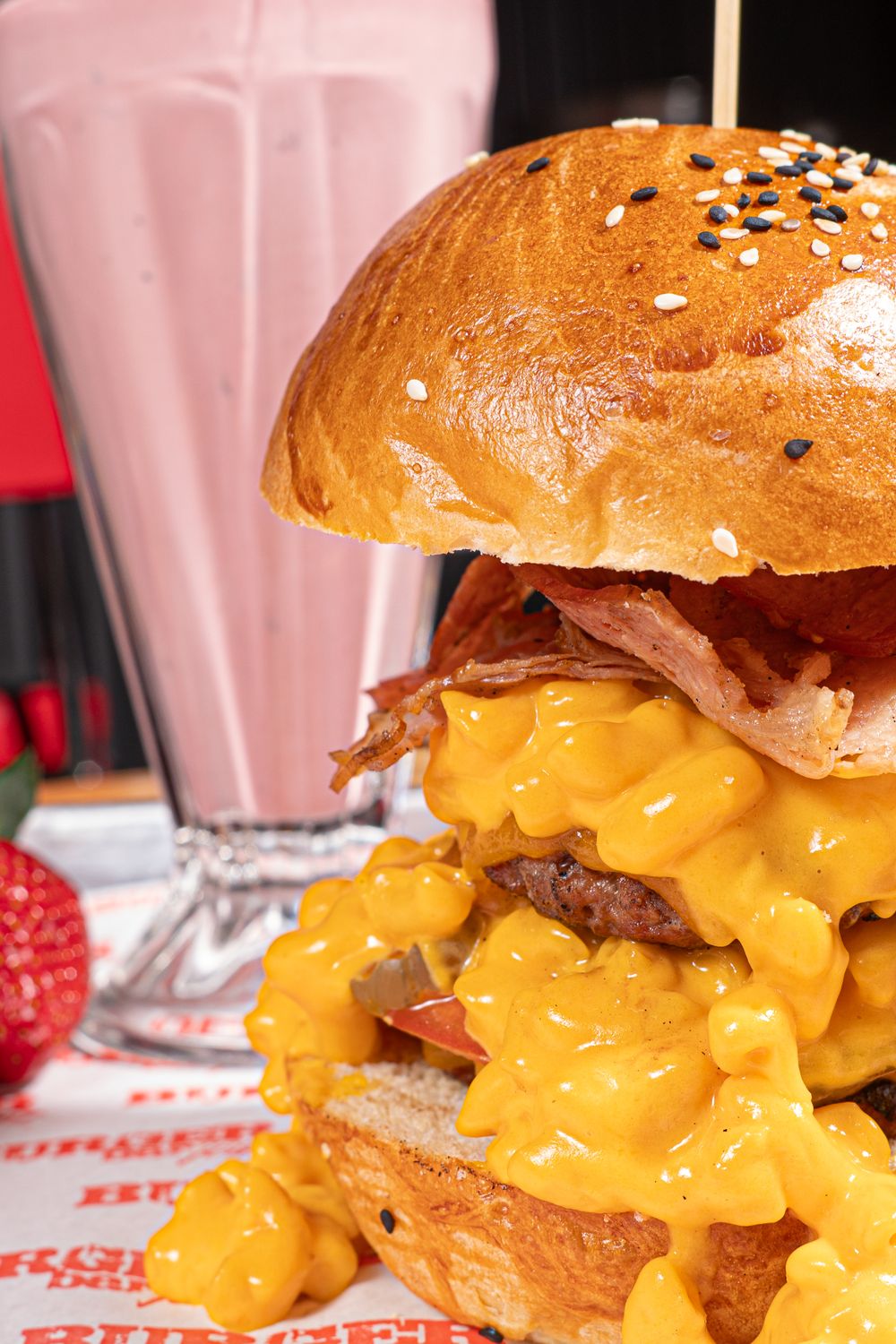
The milkshake’s place between beverage and dessert adds to its versatility. Walgreens’ malt recipe includes both a straw and a spoon, while Chick-fil-A describes its Peach Milkshake as a sweet accompaniment to a sandwich. Neither example requires the customer to save it for a separate dessert course. It can be part of the meal from the beginning, or a treat ordered on its own. The format leaves the decision pleasantly open.
Presentation can change without erasing that identity. Chick-fil-A normally tops its shakes with whipped cream and a cherry, but says those additions are omitted for delivery. The frozen base, flavor, and basic preparation remain, even when the garnish does not travel. That contrast with traditional fountain service is useful: a milkshake can move from glass-and-spoon ceremony to a portable restaurant order while staying recognizable. It does not need the entire vintage setting to survive.
The strongest explanation for its endurance is familiarity with room for variation. A longstanding restaurant signature, a chocolate malt with century-old roots, and a peach flavor returning season after season offer different versions of the same appeal. None proves universal affection, and none needs to. The milkshake keeps its place because restaurants can preserve what customers recognize while changing enough to make another order interesting. Sometimes a classic stays relevant not by reinventing itself, but by knowing exactly how much to change.
Other Post You Might Also Like