9 Once-Popular Restaurant Foods You Rarely See on Menus Anymore
Remember when restaurant dinners came with fancy sauces, elaborate presentations, and sometimes even a little fire at the table? Dining out used to mean ordering dishes that felt too complicated or special to prepare at home.
Over the years, American restaurant menus have changed. Some old favorites have become harder to find, while others survive mainly in traditional steakhouses, historic restaurants, and specialty dining rooms.
From creamy chicken dishes to flaming desserts, these nine once-popular restaurant foods deserve another look. They haven’t completely disappeared, but they’re no longer everyday menu staples.
Chicken à la King
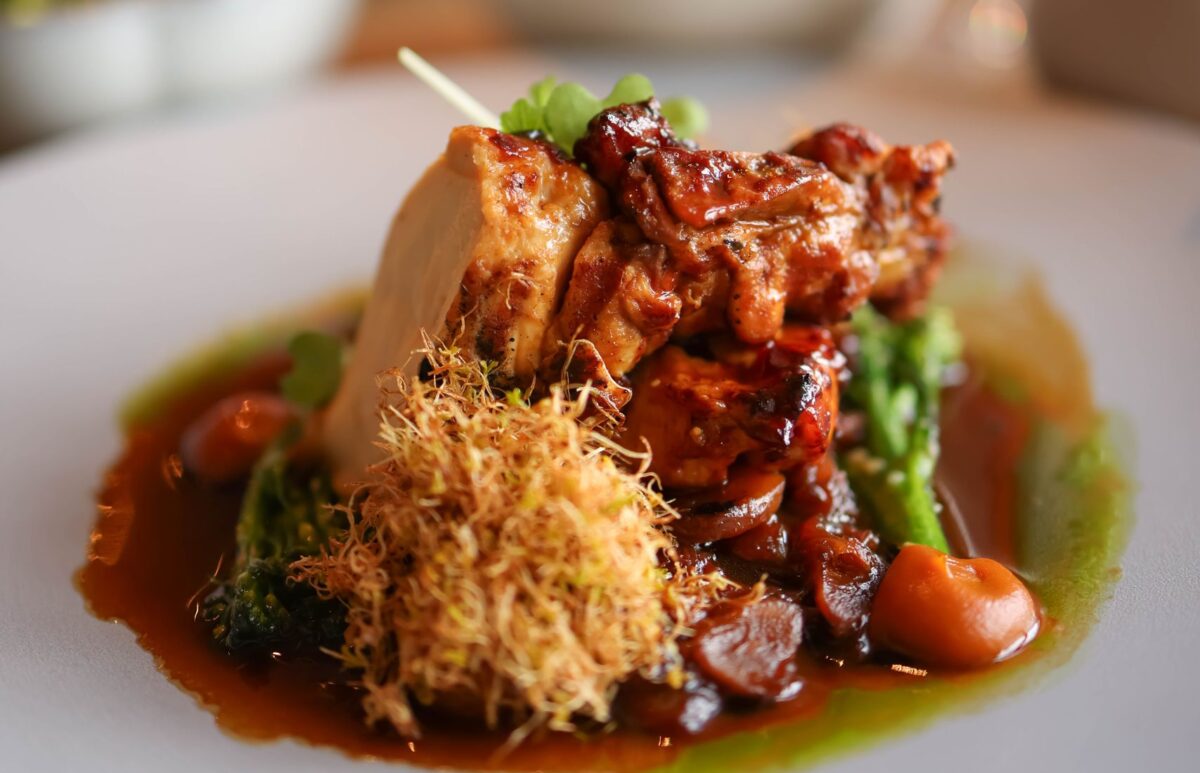
Chicken à la King was once the kind of comforting meal you could expect to find in hotel dining rooms, cafeterias, and traditional American restaurants.
The dish features tender chicken pieces coated in a rich, creamy sauce, usually with mushrooms and peppers. It’s typically served over toast, rice, biscuits, or puff pastry.
Its appeal lay in its simplicity. The creamy sauce transformed ordinary chicken into something that felt special enough for a restaurant dinner. Although restaurants still prepare chicken à la King today, it’s no longer a familiar offering on mainstream menus.
Interestingly, Restaurant Business has identified the dish as a midcentury favorite attracting renewed culinary interest.
Related: 5 Forgotten Retro Desserts That Were Dinner Party Showstoppers
Lobster Newberg
Long before lobster rolls became a familiar seafood favorite, lobster Newberg represented an elaborate approach to restaurant dining. This classic dish features lobster meat in a luxurious sauce traditionally made with butter, cream, egg yolks, and sherry.
Its history is closely associated with New York City’s famous Delmonico’s restaurant, where it became part of the establishment’s culinary legacy. Lobster Newberg was an entrée reserved for elegant dining rooms and special occasions.
While some traditional restaurants still serve it, you’re unlikely to find it on the menu of an average neighborhood restaurant. Its rich sauce and distinctive presentation offer a glimpse into an era when elaborate seafood dishes drew crowds at upscale restaurants.
Steak Diane
Steak Diane wasn’t simply a meal. In some restaurants, ordering it meant getting a tableside performance. The dish traditionally features tender steak served with a flavorful pan sauce made with butter, mushrooms, mustard, and cognac.
Some restaurants prepared or finished the sauce beside diners, occasionally igniting the alcohol for dramatic effect. That theatrical presentation made Steak Diane especially suited to midcentury American steakhouse dining.
As tableside cooking became less common, the dish lost some of its former prominence. However, Steak Diane hasn’t completely disappeared. Certain traditional steakhouses still serve it, keeping its distinctive combination of beef, rich sauce, and restaurant theater alive.
Baked Alaska
Imagine ordering dessert and receiving a golden mound of meringue hiding layers of cake and ice cream. That’s Baked Alaska, one of the most recognizable desserts associated with elaborate restaurant dining.
The dessert combines cake and ice cream beneath a thick meringue coating. The exterior is browned while the ice cream remains frozen inside. Baked Alaska became associated with prestigious American dining establishments, including New York City’s Delmonico’s.
Its striking appearance made dessert feel like a special occasion rather than simply the final course. Although Baked Alaska survives at selected restaurants, it’s not a dessert commonly featured on casual dining menus today. For anyone who enjoys old-fashioned restaurant glamour, it remains a memorable treat.
Welsh Rarebit
Despite its unusual name, Welsh rarebit doesn’t contain rabbit. Instead, this traditional dish consists of toasted bread covered with a rich, seasoned cheese sauce.
The sauce typically includes sharp cheese, mustard, and sometimes beer, making it a flavorful alternative to ordinary cheese on toast. Welsh rarebit appeared on American hotel restaurant menus during the 20th century.
The New York Public Library’s historical menu collection even preserves a 1962 Statler Hilton dinner menu listing the dish. Today, Welsh rarebit rarely appears on mainstream American restaurant menus, though it remains associated with British cooking. Its appeal comes from transforming simple ingredients into something remarkably satisfying.
Cherries Jubilee
Some restaurant desserts were designed to impress before diners even picked up their spoons. Cherries Jubilee is a perfect example.
The dessert features cherries warmed in a sweet sauce, traditionally flavored with liqueur and sometimes flambéed, then served over vanilla ice cream.
The contrast between warm cherries and ice cream makes the dish distinctive, but its presentation was equally memorable. Cherries Jubilee became associated with elegant dining rooms where tableside service added excitement to dessert.
As elaborate tableside preparations became less common, the dish appeared less frequently on everyday menus. Although some restaurants still prepare it, Cherries Jubilee recalls a time when ordering dessert could mean watching a miniature cooking performance.
Crêpes Suzette
Crêpes Suzette turned thin French pancakes into an elegant restaurant dessert. The crêpes are coated in a buttery orange sauce, often flavored with orange liqueur. Traditional presentations sometimes involve flambéing the sauce at the table.
This combination of delicate pancakes, citrus flavor, and dramatic service made the dessert a memorable fine-dining experience. Crêpes Suzette became associated with French-inspired restaurants and the elaborate tableside cooking popular in earlier decades.
Although still available at selected establishments, it’s uncommon on typical American restaurant dessert menus.
For diners who remember it, the appeal goes beyond the ingredients. Watching dessert being prepared beside your table made the entire experience feel special.
Beef Wellington
Beef Wellington is another classic dish closely associated with formal restaurant dining. It features tender beef wrapped in a savory mushroom mixture and enclosed in golden puff pastry.
When you slice it, the crispy pastry reveals layers of mushrooms surrounding the beef, creating an impressive presentation. Preparing Beef Wellington requires several steps, from cooking the mushroom filling to wrapping and baking the pastry.
Although it’s less common on everyday menus, certain traditional steakhouses still serve it. Its combination of tender beef, savory mushrooms, and buttery pastry still evokes elaborate restaurant cooking.
Tomato Aspic
A cold, jiggly tomato salad might sound unusual today, but tomato aspic was once considered an attractive addition to American restaurant menus. This savory gelatin dish combines tomato juice or sauce with gelatin and seasonings. Some versions include chopped vegetables, olives, or seafood.
During the 1950s, molded gelatin dishes were particularly fashionable, with tomato aspic appearing at formal luncheons, hotels, and restaurants. Historical research into Ocean City’s Commander Hotel even documents jellied tomato on one of its menus.
Unlike sweet gelatin desserts, tomato aspic was served as a savory appetizer or side dish. Today, it’s rarely encountered in mainstream American restaurants, although it remains part of certain regional food traditions.
The Restaurant Classics Worth Remembering
Restaurant menus have changed considerably over the decades, but that doesn’t mean older dishes have lost their appeal.
Some, like Steak Diane and Beef Wellington, remain available in traditional restaurants. Others, such as tomato aspic and chicken à la King, are much harder to encounter.
These nine dishes remind us that dining out once involved distinctive sauces, elaborate presentations, and memorable tableside performances.
Sometimes, the most interesting restaurant discovery isn’t a completely new dish. It’s an old favorite waiting to be appreciated again.
Other Posts You May Like