9 Foods That Deserve a Second Chance
Some foods get blamed for crimes committed by bad cooking.
Maybe your childhood Brussels sprouts were boiled until they collapsed. Maybe the first avocado you tasted was so hard it could bounce off the counter. Or maybe mushrooms arrived pale, watery, and suspiciously slippery.
One disappointing plate can convince someone they dislike a food for years. Then comes the surprise: the same ingredient roasted instead of boiled, properly ripened instead of underripe, or aggressively seasoned instead of served plain.
Suddenly, the problem was never necessarily the food.
Here are nine foods that can taste completely different when someone finally prepares them well.
Brussels Sprouts That Actually Get Crispy

For generations, Brussels sprouts had one of the worst reputations at the dinner table.
One big reason may be how they were traditionally cooked. Boiling them for too long can leave them soft and emphasize the strong cabbage-like flavors that many people remember from childhood.
Roasting changes the experience.
High heat browns the outer leaves while the centers become tender. Cutting sprouts in half also creates a flat surface that can caramelize against a hot sheet pan. Add salt, olive oil, Parmesan, balsamic glaze, or another flavorful finishing touch, and suddenly the vegetable people used to hide under mashed potatoes becomes the first thing disappearing from the tray.
Sometimes the difference between “never again” and “make another batch” is simply a hot oven.
Beets That Don’t Come Straight From a Can
Beets can be difficult to love if your introduction was a cold, soft slice straight from a can.
Fresh roasted beets are an entirely different experience.
Roasting concentrates their sweetness while keeping enough texture to prevent them from becoming mushy. Pair them with something sharp or creamy, such as citrus, vinegar, feta, or goat cheese, and the earthy flavor becomes part of the dish instead of dominating it.
People sometimes describe beets as tasting like dirt. Roasting cannot eliminate their earthy character, but it can show why other people actually enjoy it.
That first properly roasted beet can be a genuine “Oh, this is what they’re supposed to taste like” moment.
Avocados That Are Actually Ripe
Avocados have a particularly narrow window between frustratingly hard and disappointingly brown.
Eat one too early, and the flesh can be firm, bland, and difficult to mash. Wait too long, and you may cut into an expensive green fruit only to find brown spots.
A properly ripe avocado should yield slightly when gently pressed, but not feel mushy.
Once the timing is right, the texture becomes creamy enough for guacamole, toast, sandwiches, tacos, or simply a little salt and lime.
Avocados are hardly a niche American ingredient anymore. USDA-supported research published in 2026 analyzing national dietary survey data found avocado consumption occurring across the U.S. population, with plain avocado being the most common form among consumers.
For many former skeptics, though, popularity is beside the point. They just needed to stop being served rock-hard avocados.
Cauliflower That Isn’t Steamed Into Submission
Plain steamed cauliflower has probably created more cauliflower haters than it has cauliflower fans.
The vegetable contains plenty of water, so prolonged steaming can leave it soft and somewhat bland.
Roasting gives it the opposite personality.
Spread florets across a sheet pan with enough space between them so the edges can brown instead of just steaming. Garlic, curry powder, smoked paprika, Parmesan, buffalo sauce, or a squeeze of lemon can take it even further.
The key is texture.
Once cauliflower develops browned, crispy edges, it becomes easier to understand why it has moved far beyond its old role as the forgotten vegetable beside the carrots.
Related: Top 10 Cooking Mistakes You Should Avoid for Perfect Dishes Every Time
Eggplant That Isn’t Soggy
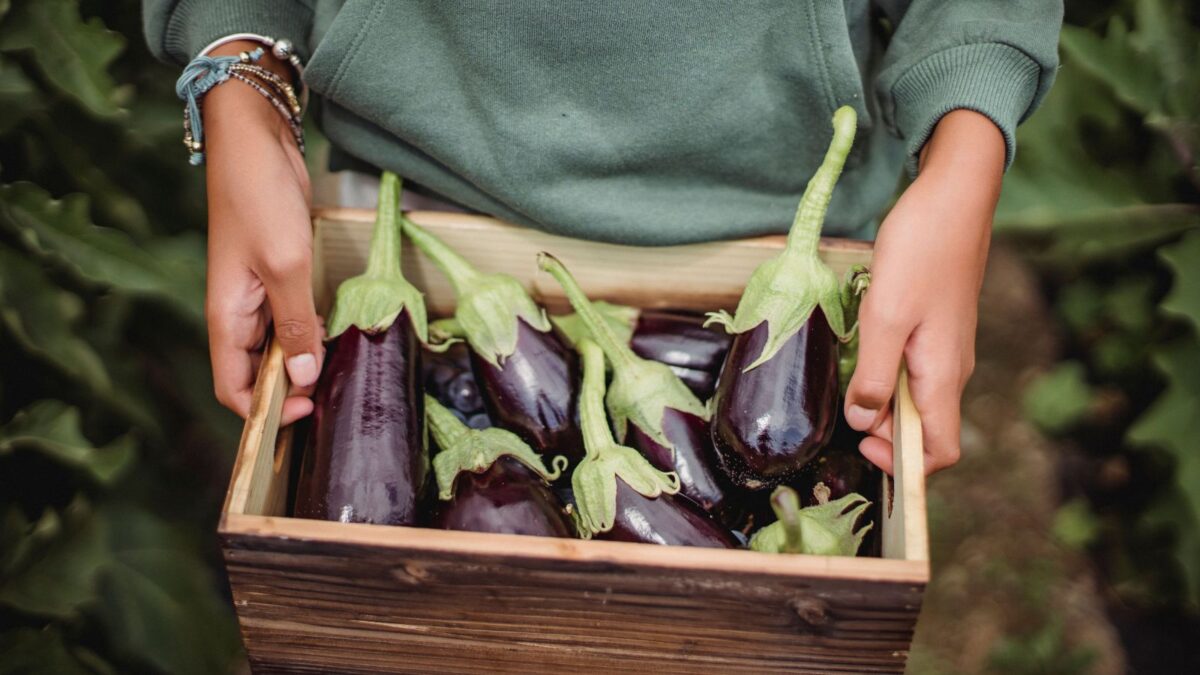
Eggplant is one of those ingredients people tend to either defend passionately or avoid completely.
Badly prepared eggplant explains some of that division.
Because of its sponge-like structure, eggplant can absorb a lot of oil and get greasy if handled carelessly. Undercooked pieces can feel unpleasantly firm, while poorly cooked slices may become watery.
But with enough heat, eggplant flesh turns soft, silky, and rich.
Grilling can add smoky edges. Roasting concentrates the flavor. In dishes such as baba ganoush, eggplant Parmesan, and pasta alla Norma, its ability to absorb surrounding flavors becomes an advantage rather than a problem.
For someone convinced eggplant is rubbery, properly cooked eggplant can feel like an entirely different vegetable.
Tofu That Has Seen Some Seasoning
A plain block of tofu straight from its package is not exactly an advertisement for tofu.
Its relatively neutral character is actually one of its strengths, but that also means it needs help.
Pressing firm tofu can remove excess moisture. Marinating introduces flavor. Pan-frying, baking, or air-frying can create browned edges and a much firmer texture.
Tofu doesn’t have to imitate meat to be enjoyable. Traditional dishes such as mapo tofu demonstrate how well it works as its own ingredient when paired with bold sauces and seasonings.
Its popularity continues well beyond vegetarian restaurants. Market researcher IMARC estimated the global tofu market at $3.1 billion in 2025, and projects continued growth through 2034.
Still, no market statistic can rescue badly prepared tofu. Seasoning usually can.
Spinach That Isn’t a Green Puddle
Anyone who grew up with a heap of watery spinach may have spent years believing they hated the vegetable.
Fresh spinach needs surprisingly little cooking.
Drop it into a hot pan with olive oil or butter and some garlic, and it wilts in minutes. Remove it before it completely loses its structure, and you get something very different from the limp green mass many people remember.
Spinach also works completely differently depending on the dish.
Raw leaves can add texture to salads and sandwiches. A handful can be folded into eggs or pasta at the very end of cooking. Creamed spinach deliberately takes things in a richer direction.
The lesson is simple: spinach rarely benefits from being cooked until surrender.
Fish That Wasn’t Cooked Until Bone-Dry
“I don’t like fish” sometimes really means “I don’t like badly cooked fish.”
Lean fish can dry out remarkably quickly if you leave it over heat too long. The result can be tough, flaky in the wrong way, and stronger tasting than the properly cooked version.
Preparation also matters because “fish” covers an enormous range of flavors and textures.
Cod is not salmon. Salmon is not mahi-mahi. Mahi-mahi is not tuna.
Someone put off by a strong-tasting fish might discover they enjoy a mild white fish. Someone who dislikes fried seafood may prefer grilled salmon or a lightly seared fillet.
The trick is not assuming one disappointing fish dinner represents everything swimming in the ocean.
Mushrooms That Aren’t Slimy
Mushrooms might be the ultimate texture problem.
When you crowd them into a cool pan, they release moisture and start steaming in their own liquid. That can produce exactly the slippery texture mushroom skeptics complain about.
Give them room and enough heat, however, and something very different happens.
Their moisture cooks away and the surfaces begin to brown. Butter, garlic, thyme, black pepper, or a splash of soy sauce can push their naturally savory flavor even further.
Roasting works beautifully too, especially when you spread the mushrooms out instead of piling them on top of one another.
For someone whose only mushroom experience involved pale canned slices on pizza, a deeply browned skillet of fresh mushrooms can be almost unrecognizable.
Sometimes You Don’t Hate the Food, You Hate What Happened to It
Food preferences are personal, and no cooking method will turn everyone into a Brussels sprouts or mushroom enthusiast.
But preparation deserves some of the blame when certain foods develop terrible reputations.
Boiled Brussels sprouts are not roasted Brussels sprouts. A hard avocado is not a ripe one. Watery mushrooms are nothing like properly browned mushrooms. And a plain cube of tofu tells you very little about what tofu can become in the hands of someone who knows how to season it.
Before permanently crossing a food off your list, it may be worth giving it one more chance.
Just make sure someone cooks it properly this time.