Man Stops Cooking $12 Aldi Chicken After Spotting Strange Lines Across the Meat
A simple chicken dinner took an unexpected turn when a man noticed strange, rippled lines across meat he bought at Aldi. The shopper, Fraser Morse, said he spent approximately $11 to $12 on the chicken, and his TikTok video documenting the discovery had attracted more than 73,400 views by October 9, 2026.
What bothered him wasn’t just the unusual appearance. Morse became convinced the chicken might have been 3D-printed, prompting viewers to question what could explain the strange texture.
A Routine Chicken Dinner Takes an Unexpected Turn
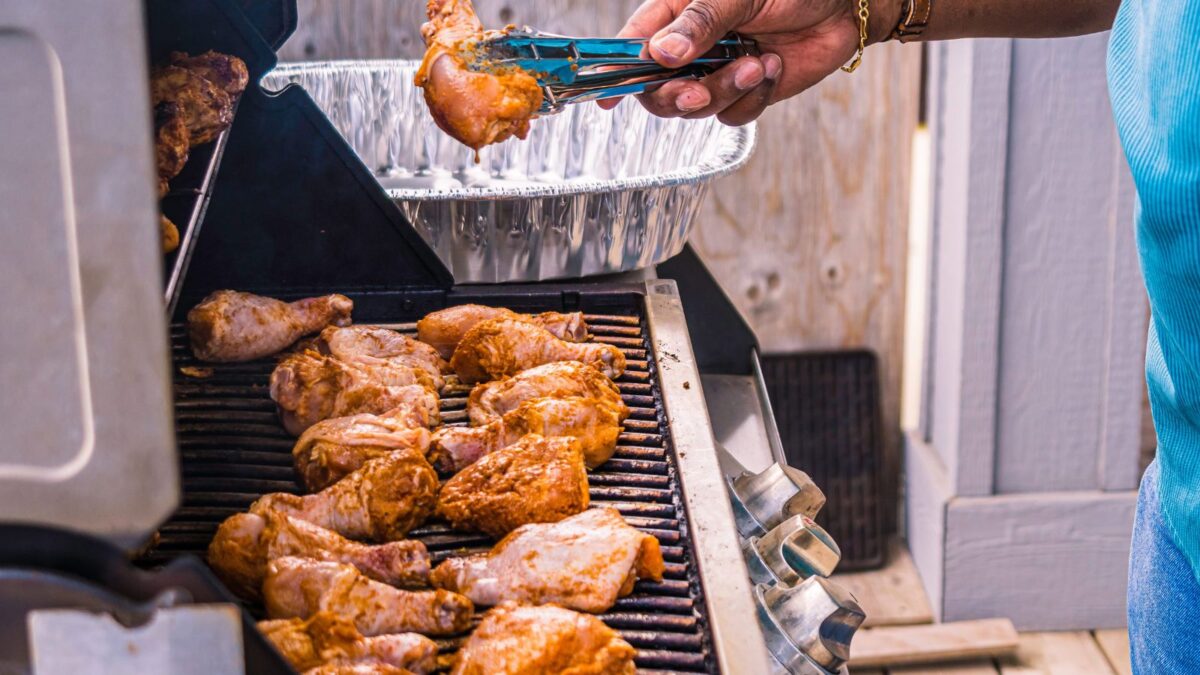
The unusual discovery happened during cooking. According to BroBible, Morse’s teenage son started preparing the chicken in an air fryer without seasoning. When Morse checked on the meal, he noticed something unexpected on the meat’s surface.
Instead of the appearance he was used to, one side of the chicken breast had noticeable ridges resembling stacked layers. The meat also appeared yellowish-orange in places, although Morse acknowledged that it had been removed from the air fryer before cooking was complete.
“Hey, this is disgusting,” Morse said in the video.
He picked up the chicken and turned it over, showing viewers that the underside looked more like an ordinary chicken breast. However, the unusual lines on the other side made him stop preparing the meal.
Why the Shopper Suspected the Chicken Was 3D-Printed
Morse believed the layered appearance was suspicious. He compared the ridges to the visible layers produced by some 3D-printing processes and questioned whether the meat was what he expected to purchase.
“Chicken doesn’t cook like that,” he said as he examined the piece.
Morse later told BroBible that he had never seen chicken that looked like that before. He explained that the unusual color was partly because the chicken had been taken out of the air fryer halfway through cooking.
Instead of continuing to cook it, he threw the chicken away.
Morse also confirmed that he had not contacted Aldi about the incident because he did not believe he had sufficient evidence to support his suspicion. Importantly, no verified evidence shows the chicken was 3D-printed.
Social Media Viewers Disagree About the Strange Lines
The video quickly became a conversation about grocery quality and unusual food textures. BroBible reported more than 73,400 views on October 9, while another report published October 11 put the total above 88,000 views and more than 900 comments.
Some viewers agreed that the chicken’s surface looked unusual. Others questioned the 3D-printing explanation, noting that appearance alone could not establish how the meat was produced.
One commenter suggested repeated freezing and thawing as a possible explanation. Another questioned whether producing printed chicken would make economic sense.
These responses reflect speculation rather than verified findings about Morse’s purchase. Neither the video nor the comments establish what caused the ridges.
What Poultry Researchers Say About Lines on Chicken
Unusual lines on chicken are not necessarily evidence of artificial production. Researchers have documented a condition called white striping, which creates visible white streaks running along the muscle fibers of chicken breast meat.
University of Georgia Cooperative Extension associate professor Anand Mohan discusses the condition in a publication reviewed in August 2026. The publication explains that more pronounced white striping can affect how chicken looks and how firm it becomes after cooking.
Research published in Poultry Science in 2016 also found that chicken breasts with severe white striping were harder and chewier than samples with normal or moderate striping.
The condition has been studied for years, particularly in connection with changes in poultry muscle quality.
However, one important distinction remains: white striping is generally identified by visible streaks in raw chicken. Morse’s video showed ridges on a partially cooked piece, so the footage doesn’t confirm that white striping caused his experience.
Related: Chickens Can Count and Plan — 7 Surprising Things Researchers Learned About Chickens
Research Shows Why Chicken Appearance Matters to Shoppers
Consumers often judge meat quality before they even start cooking. A 2012 study published in Poultry Science examined how 75 consumers responded to photographs of chicken breasts with different amounts of white striping.
Researchers found that 56.7% of participants disliked the appearance of severely striped chicken breasts. By comparison, only 10.7% disliked the appearance of normal samples.
The study also found that people were less willing to purchase chicken with moderate or severe striping.
Those findings help explain why unusual markings can influence buying decisions, even when shoppers do not know what caused them. They do not, however, establish that Morse’s chicken had the same condition.
For everyday grocery customers, the broader point is familiar: appearance and texture play an important role in whether a purchase meets expectations.
Does an Unusual Color Mean Something Is Wrong?
Color alone cannot determine the condition of a chicken breast. The U.S. Department of Agriculture explains that fresh poultry naturally varies in color and that storage conditions can also produce visible changes.
The agency states, “Change in color alone does not mean the product is spoiled.”
However, the USDA identifies unpleasant odors, sliminess, and sticky or tacky surfaces as additional warning signs of spoilage. These indicators provide more useful information than color by itself.
This distinction matters because Morse acknowledged that he examined the chicken when it was only partially cooked.
The USDA also recommends checking poultry with a food thermometer and cooking chicken breasts to 165 degrees Fahrenheit. Visual appearance alone is not a reliable substitute for a temperature reading.
What Aldi Shoppers Can Do About an Unsatisfactory Purchase
Customers have established options for raising product-quality concerns. Aldi’s published U.S. return policy says shoppers dissatisfied with an in-store purchase can bring the item and, if available, their receipt to the store where they bought it.
The retailer also offers its Twice as Nice Guarantee on eligible food products. Depending on eligibility, customers may receive both a replacement and a refund.
Aldi states that a receipt is required for a refund to the original payment method. Customers without one may receive an Aldi Merchandise Credit gift card based on the item’s current retail price.
The guarantee applies to eligible in-store purchases, while online grocery orders are handled through their respective service providers.
If shoppers notice an unusual product, keeping the packaging and purchase information can help them identify the item when contacting customer service.
Related: 7 Purchases Shoppers Worry Cashiers Will Judge Them For
What’s Next for the Aldi Chicken Complaint?
The incident remains an unverified product-quality allegation. Morse told BroBible he discarded the chicken without reporting it directly to Aldi.
BroBible stated in its October 9 report that it had contacted Aldi for comment, but the published account did not include a company response.
Without additional product information or an examination of the meat, the cause of the unusual lines remains undetermined.
For Aldi shoppers and other grocery customers, the incident offers a practical reminder: an unfamiliar appearance may justify asking questions, but it does not automatically prove that a product is artificial or defective.
The takeaway: When a grocery purchase looks unusual, check reliable product information and use the retailer’s customer-service process rather than relying on social media guesses.