6 After-School Snacks Kids Can Make Themselves
It happens every weekday at 3:30 PM like clockwork: the front door flies open, shoes fly off, and your sweet child transforms into a hungry gremlin in search of a feast. But here’s the plot twist you don’t actually have to clock in for another shift in the kitchen. Amara Organic Foods highlights that American children consume more than 8 snacks daily, on average.
With a few simple, no-cook ingredients safely within reach, your mini-chefs can easily craft their own delicious, healthy bites. Ready to trade afternoon chaos for a little self-serve magic? Here are easy snacks your kids can make all on their own.
Fruit-and-yogurt parfaits
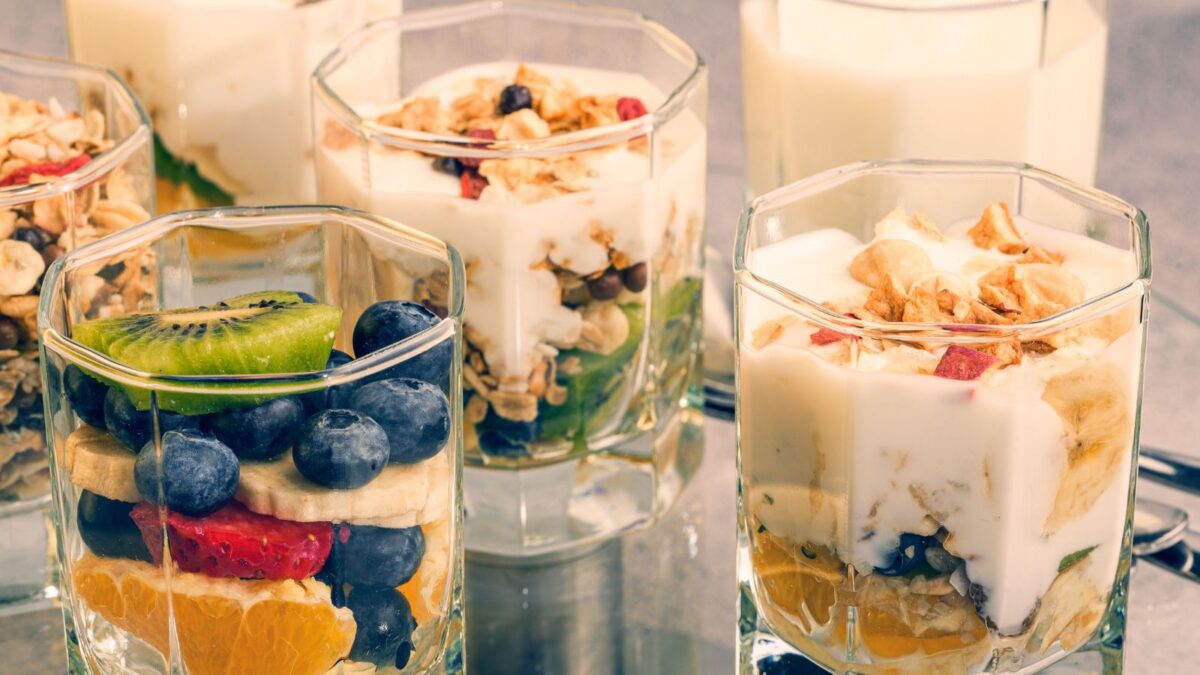
Kids love building things, so why not let them build their own snacks? Fruit-and-yogurt parfaits turn simple ingredients into colorful layers that look almost like dessert. Give your child a clear cup, yogurt, ready-cut fruit, and granola. They can spoon a quarter cup of yogurt into the cup, add the same amount of fruit, and sprinkle two tablespoons of granola on top. Then, they repeat the layers for a taller treat.
Strawberries, peaches, bananas, or thawed frozen fruit offer different flavors. The recipe also suggests high-fiber cereal as an alternative to granola. Let kids assemble everything right before eating so the topping keeps its crunch.
Peanut butter-banana roll-ups
Who says a delicious snack needs a complicated recipe? These banana roll-ups combine creamy peanut butter, soft fruit, and a whole-wheat tortilla into a handheld treat. Peanut butter-banana roll-ups take just five minutes to prepare and require only a few basic ingredients, according to Vanderbilt Health. Kids can spread two tablespoons of peanut butter across an eight-inch tortilla and sprinkle cinnamon over the top. Next, they place a peeled banana in the middle and roll everything together.
They can enjoy the wrap whole without slicing it. For extra variety, parents can prepare sliced strawberries or offer blueberries that suit the child’s eating abilities. The result feels like a fun little sandwich, minus the cooking and dirty pans. Families should use a suitable alternative for children with peanut allergies.
Shake-your-own trail mix
Here’s a snack that makes kids feel like they’re running a tiny kitchen. Shake-your-own trail mix gives children the freedom to combine familiar ingredients in their favorite proportions. Set out bowls of whole-grain cereals, dried fruit, small pretzels, and nuts for older children who can safely eat them. Kids can scoop their selections into a container, secure the lid, and give everything a good shake. They might prefer more cereal one afternoon and extra fruit the next.
The recipe makes enough for several servings, so families can prepare ingredients ahead. Choose a mixture that matches each child’s allergies and chewing skills. Nuts, hard pieces, and dried fruit can pose choking risks for younger children, so adults should supervise and adapt the recipe accordingly.
Relatable: 6 Snacks That Support Kids’ Brain Growth
Apple sandwiches
Forget ordinary bread for a moment. Apple slices make playful little sandwiches that kids can assemble with their favorite spreads. Parents can wash, core, and slice the fruit ahead of time. Kids can spread peanut butter across an apple slice, add an appropriate topping, and gently press another slice over it. Sunflower seed butter offers another option for children who need to avoid peanuts, provided it suits their allergies.
The CDC National Center for Health Statistics Data Brief, found that 58.4% of children and adolescents aged 6 to 11 consumed “other whole fruit” on a given day. Apple sandwiches offer another convenient way to serve whole fruit. For younger children, adults should modify firm apple slices and skip raisins if they pose choking risks.
Veggie dippers with hummus
Sometimes, the easiest snack starts with opening the refrigerator. Veggie dippers with hummus require almost no effort once parents prepare the vegetables. Parents can prepare appropriately sized cucumber pieces, bell peppers, or softened vegetables in advance.
Kids can spoon hummus into a small bowl and arrange their choices around it. Pair refrigerated, pre-sliced vegetables with hummus for a convenient snack. Avoid offering hard, raw vegetable sticks to children who cannot chew them safely.
Cheese-and-cracker plate
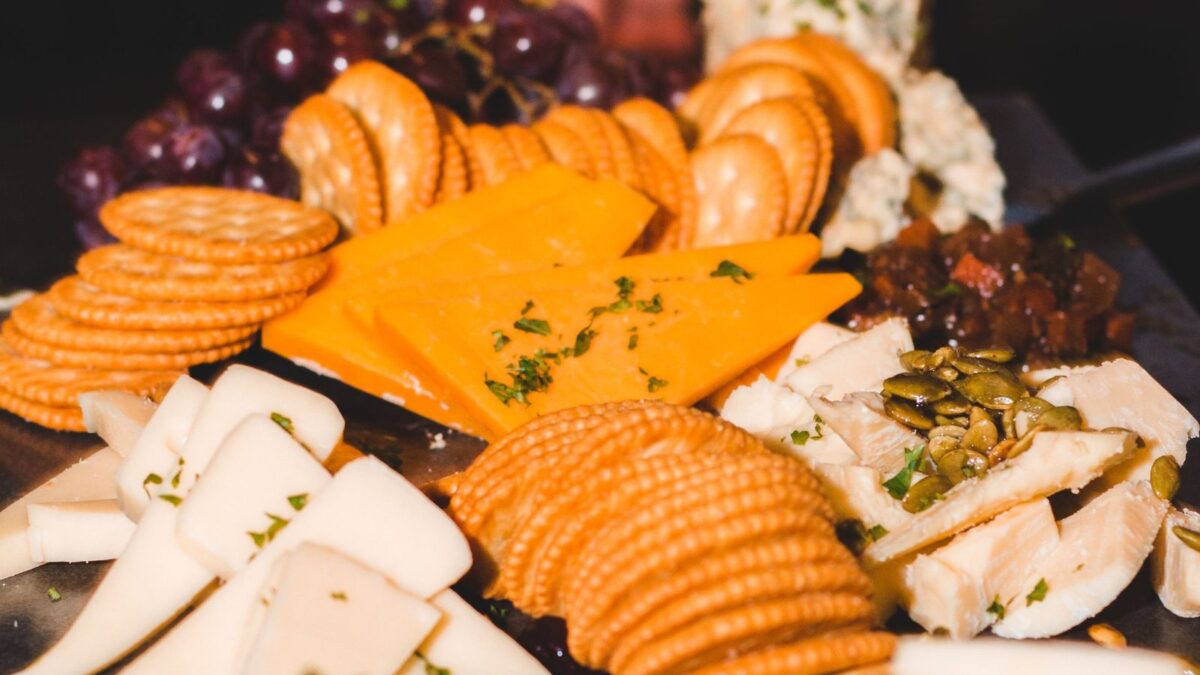
Who needs a fancy snack board when a small plate can do the trick? Kids can create their own mini picnic with whole-grain crackers, string cheese, and ready-to-eat fruit. USDA states that combining foods from at least two food groups when preparing children’s snacks is required to make a reimbursable snack under federal child nutrition programs.
This easy plate brings together grains, dairy, and fruit without cooking anything. Children can unwrap a cheese stick, arrange crackers in a circle, and add fruit that an adult has prepared safely. They can even create different patterns on their plates to make snack time more entertaining. Parents can keep the ingredients in easy-to-reach refrigerator and pantry spots for children who can safely assemble their own food.