Shrimp and Grits Started as Breakfast: How Did It Become the South’s Ultimate Comfort Bowl?
Shrimp and grits endures because it offers both pleasure and a sense of place: sweet shrimp, a creamy corn base, and enough flexibility to accommodate anything from a little butter to smoky bacon and a rich sauce. Its appeal also reaches beyond flavor. The dish connects Lowcountry home cooking, African American food traditions, and a restaurant transformation that helped carry a regional specialty across the South and eventually the country.
That transformation is surprisingly recent. Shrimp and grits has deep coastal roots, but its reputation as a broadly recognized Southern restaurant staple took off in the 1980s and 1990s. Chef Bill Neal and food writer Craig Claiborne helped introduce it to a wider audience; neither invented the combination. Understanding that distinction makes the story more interesting and gives proper space to the home cooks and communities whose food came first.
Before It Was a Restaurant Favorite, It Was Breakfast
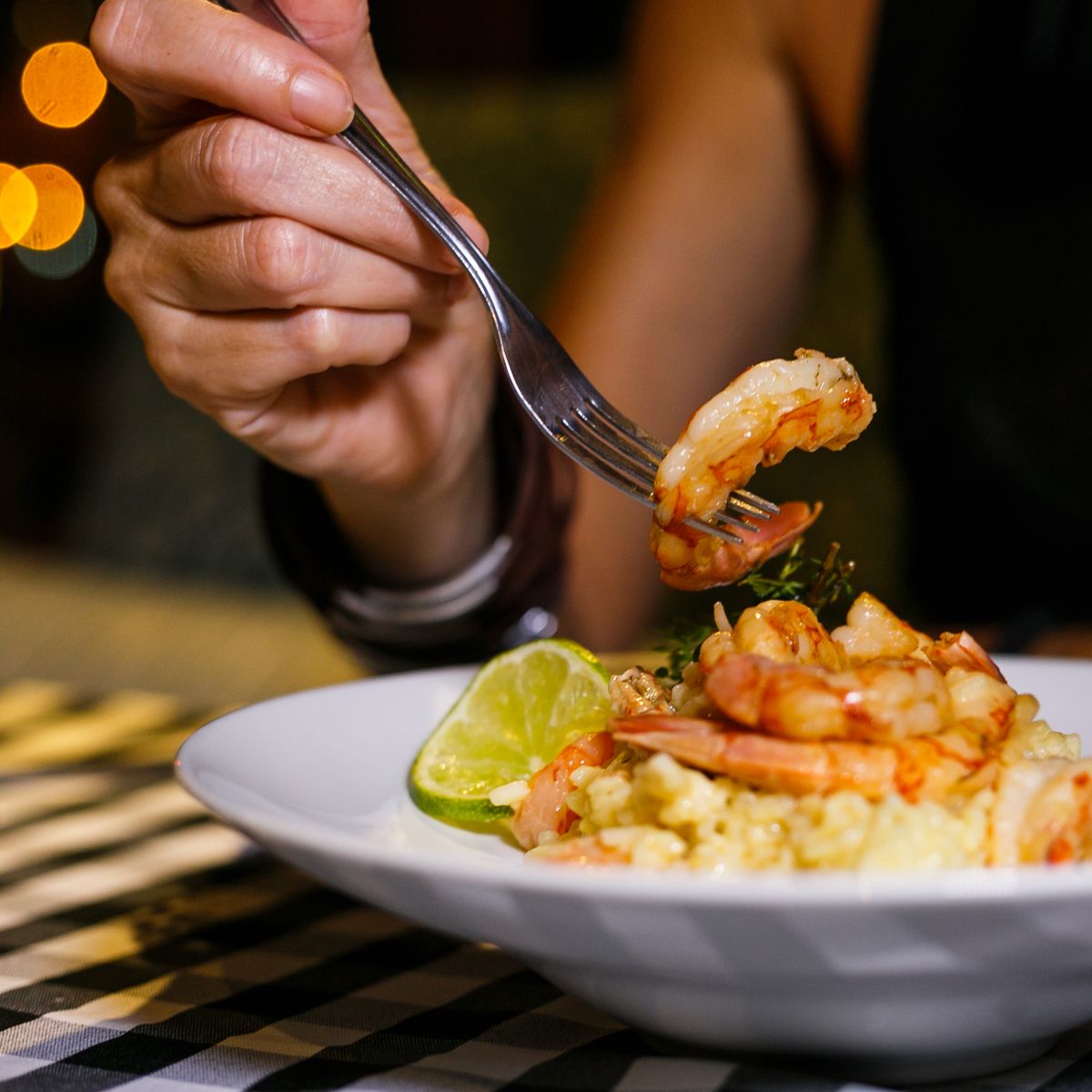
Historically, shrimp and grits belonged especially to the Lowcountry of South Carolina and Georgia. In Charleston, people called it “shrimps and hominy” or “breakfast shrimp,” reflecting both its morning role and the local use of “hominy” for cooked grits. Food historian Robert F. Moss describes households eating it during shrimp season, using small creek shrimp caught in the tidal waterways.This meal centered on nearby ingredients, not a restaurant’s elaborate signature creation.
No one kitchen or individual can be confidently assigned its precise origin. The Levine Museum of the New South describes the dish as emerging from a blend of Gullah Geechee, Indigenous, and European food traditions, while acknowledging that clear documentation of its first preparation is absent. Indigenous corn cultivation and African-descended coastal communities are essential to that context. Reducing the history to a famous chef’s name would leave out the people and food knowledge that made the dish possible.
Food historian Michael W. Twitty, author of the James Beard Award-winning The Cooking Gene, has emphasized those African connections. In reporting by The Local Palate, he argued, “I don’t care what anyone says; shrimp and grits came from Mozambique,” pointing to older combinations of corn and shellfish there. That is Twitty’s interpretation of the dish’s lineage, not a settled documentary record of a single birthplace. It underscores why the history extends beyond Charleston restaurant menus.
One particularly meaningful printed recipe appeared in the 1930 cookbook Two Hundred Years of Charleston Cooking. It was credited to William Deas, an African American butler described as 78 years old who had eaten the dish during shrimp season for as long as he could remember. The Local Palate also cites an 1891 newspaper recipe, so calling the 1930 version the first published recipe would overstate the evidence. Deas’s credit matters because it names an African American contributor in a period when such acknowledgment was far from routine.
Related: New York Just Got a Seafood Bar With Shrimp in Almost Every Form You Can Imagine
A North Carolina Chef Helped Take It National
The modern restaurant chapter centers on Crook’s Corner in Chapel Hill, North Carolina, which opened in 1982. Bill Neal explored regional Southern dishes and developed a shrimp-and-grits preparation featuring cheese grits, bacon, mushrooms, garlic and scallions, with lemon juice and hot sauce. The cheese base included cheddar and Parmesan. It was a distinctive restaurant interpretation of an existing food tradition, not a newly invented shellfish-and-corn pairing.
Neal explained his approach to Claiborne in a 1985 profile: “Everything I do is as authentic as possible, but with my own refinements.” That year, Claiborne, the influential New York Times food writer, published Neal’s recipe for shrimp with cheese grits. The coverage gave the dish a powerful national platform. Neal recognized that regional Southern cooking deserved serious attention, then presented it in a form that resonated with restaurant diners.
Crook’s Corner’s response was substantial. Robert Stehling, who began there as a dishwasher and worked his way up to head cook, recalled, “Once it went on the menu, it became a real staple.” He told Serious Eats that on nights with 300 diners, roughly 90 orders could be shrimp and grits. Those numbers are his recollection of restaurant business, not a national sales measure, but they explain why chefs noticed the dish’s potential.
During the 1990s, Charleston chefs including Louis Osteen, Donald Barickman and Frank Lee developed their own versions. Barickman’s preparation at Magnolias added spicy Italian sausage and tasso gravy, bringing Louisiana-associated flavors to the Lowcountry combination. The dish expanded not because everyone copied one formula exactly, but because its foundation accommodated different ingredients while remaining recognizable. Its journey from breakfast to dinner also helped move it into more upscale dining rooms.
The Comfort Comes From Familiarity and Room to Make It Your Own
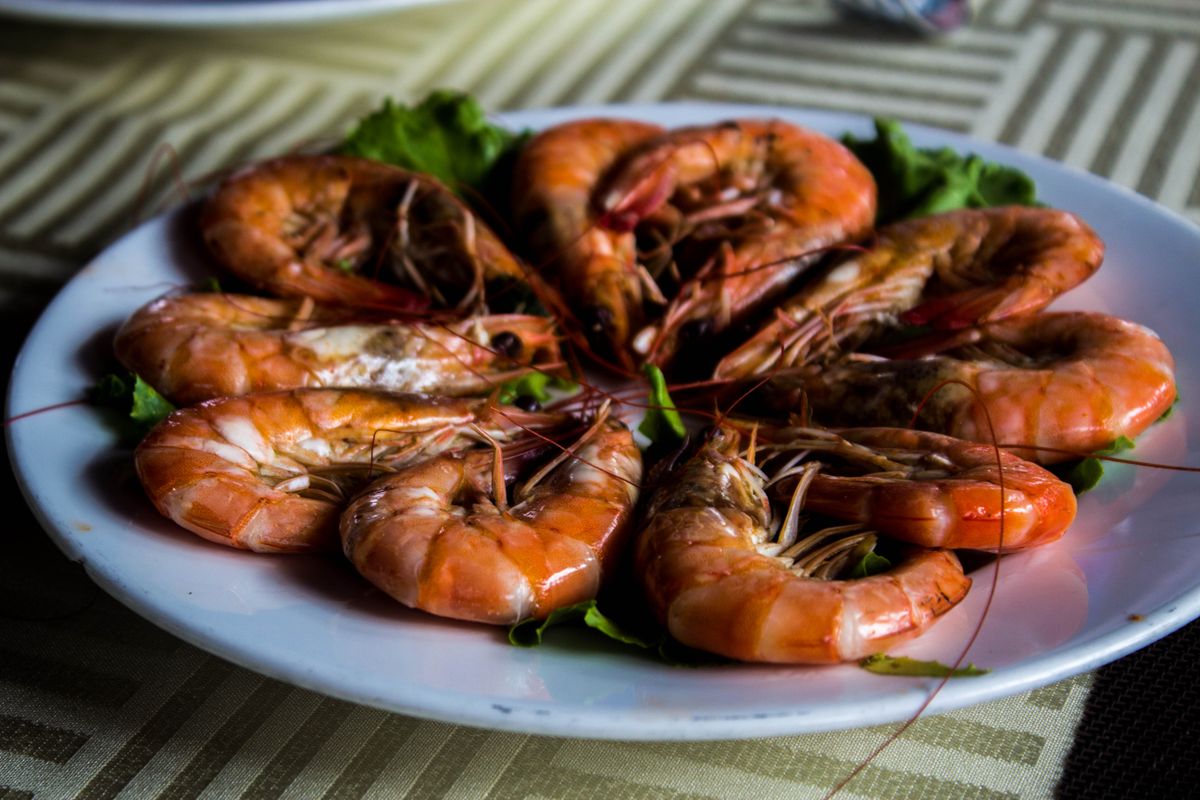
The flavor relationship explains much of the staying power. Creamy grits provide a substantial base for shrimp, while additions such as smoky bacon, mushrooms, citrus or sauce create contrast. The dish can be restrained or richly embellished without losing its central pairing. Southern cooking writer and television host Nathalie Dupree demonstrated that range in her 2006 shrimp-and-grits book, which presented about 80 variations on the same basic idea.
Her opening description captured its emotional appeal: “Shrimp and grits, one of the South’s beloved foods, leaves a lingering taste and a folkloric mystique that borders on the mystical.” That is affectionate food writing, not a scientific explanation of comfort. Still, it points to something recipes alone cannot measure: the associations a meal gains through place, repetition, and the people who cook it. A bowl can feel familiar even when another kitchen prepares it differently.
Stehling experienced that pull after opening Charleston’s Hominy Grill in 1996. He initially avoided shrimp and grits because it had become such an expected restaurant offering, then eventually added it. “It’s a really great tasting combination, and it really has come to be an identifier, a sense of place here,” he explained. The observation shows why popularity doesn’t necessarily make a dish disposable: sometimes people keep ordering it because it expresses where they are.
Not everyone wants the most elaborate version. Stehling told The Local Palate that some customers requested “just plain shrimp and butter,” adding, “I know exactly what they want.” That room for simplicity helps explain the dish’s lasting comfort. Shrimp and grits can carry a chef’s refinements, but it can also return to a sustaining combination of seafood and corn. Its restaurant fame is one chapter; its deeper identity remains tied to the communities that made it a meal.