7 ‘Cheap’ Cuts of Meat That Now Cost a Fortune
Remember when buying the less glamorous cuts of meat was one of the easiest ways to save money at the grocery store? Brisket, oxtail, and skirt steak used to be associated with affordable family meals rather than expensive restaurant menus. Today, some of those former budget favorites cost enough to make shoppers reconsider what they put in their carts.
Recent pricing data show just how expensive these cuts have become. According to the USDA’s September 2026 cattle market outlook, historically low slaughter levels have contributed to reduced beef production forecasts for 2026 and 2027. Meanwhile, the Local Beef Index’s third-quarter 2026 report shows several traditionally economical cuts selling for more than $15 per pound at participating farms.
Here are seven cuts that have largely lost their bargain reputation, and why shoppers are paying so much for them.
Brisket
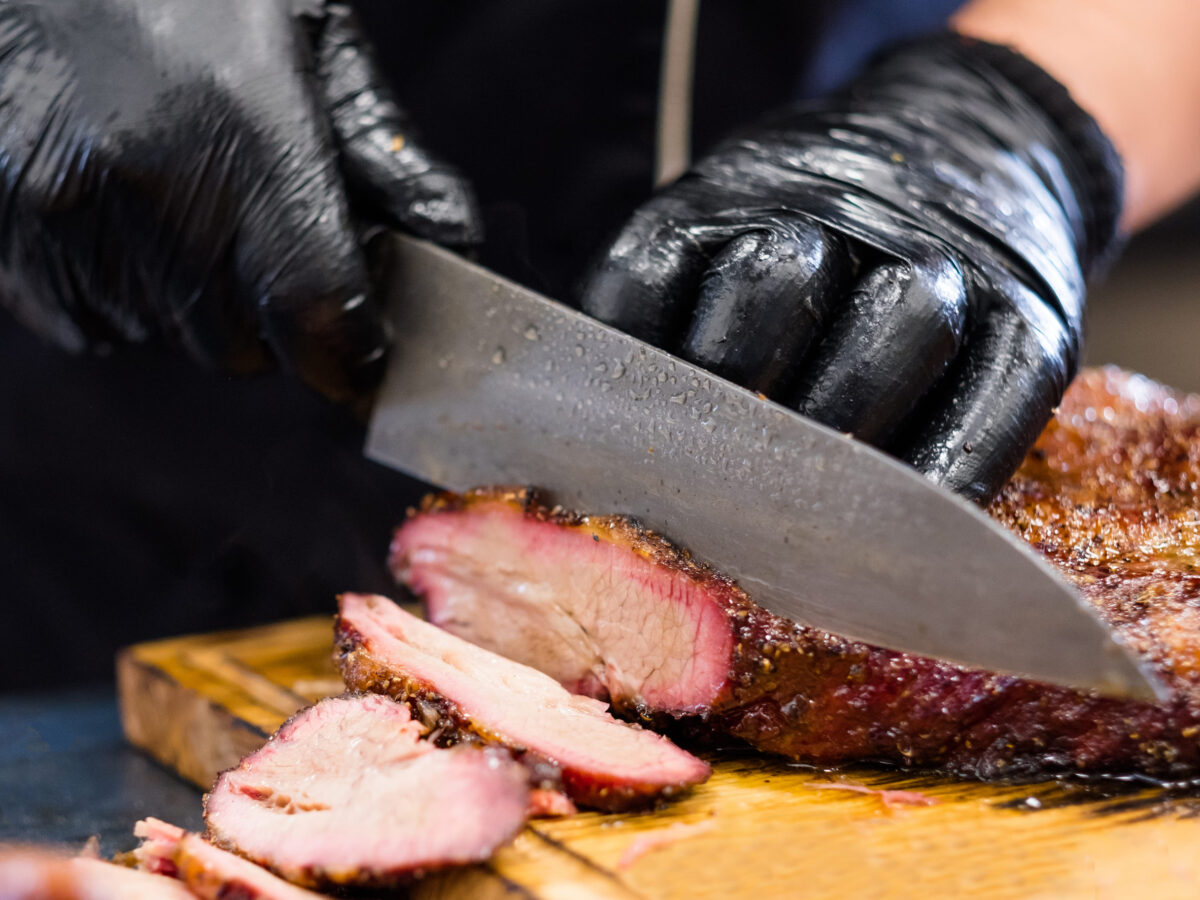
Brisket was once tough, inexpensive beef that rewarded anyone willing to cook it patiently. Families could turn the cut into a satisfying meal by roasting, braising, or smoking it for hours. Today, its popularity in American barbecue has transformed it into a highly sought-after purchase.
The Local Beef Index reported a median brisket price of $12.75 per pound among 37 participating farms in the third quarter of 2026. That means a 10-pound brisket could cost $127.50 before accounting for trimming or cooking losses. For anyone used to treating brisket as a budget-friendly way to feed a crowd, that is a substantial grocery expense.
Texas barbecue restaurants are also feeling the pressure of higher brisket costs. An October 2026 MySA report described restaurant operators struggling with beef prices while trying to keep their signature barbecue offerings affordable. Shoppers planning a weekend cookout may discover that brisket is no longer the economical centerpiece it once seemed.
Skirt Steak
Skirt steak used to be an excellent choice for shoppers who wanted plenty of beef flavor without buying a premium steak. Its thin shape and distinctive texture made it especially useful for fajitas, tacos, and quick meals cooked over high heat. Unfortunately, its popularity has made it harder to find at a genuine bargain price.
In the third quarter of 2026, the Local Beef Index recorded a median skirt steak price of $17.50 per pound across 21 participating farms. At that price, purchasing three pounds would cost $52.50. That is a considerable amount for a cut traditionally associated with casual family dinners.
The best approach is to compare skirt steak with other cuts suitable for the same recipe. Thinly sliced chuck steak or another appropriately prepared alternative might offer better value, depending on local prices. Checking the cost per pound rather than relying on a familiar cut’s reputation can prevent an expensive surprise.
Related: foods-you-should-never-wash-before-cooking/
Flank Steak
Flank steak is another former budget favorite that has become surprisingly expensive. Its bold flavor and versatility make it popular for stir-fries, grilled steak salads, and sliced beef dishes. Shoppers who once purchased it as a cheaper alternative to traditional steaks may now find that the savings have largely disappeared.
The Local Beef Index listed the median price of flank steak at $18 per pound in the third quarter of 2026. A two-pound purchase at that price would cost $36, making it an expensive foundation for an ordinary weeknight dinner. The price also puts it within reach of some cuts that shoppers traditionally consider more premium.
Flank steak remains useful, particularly when marinated, cooked appropriately, and sliced against the grain. However, its current price means shoppers should compare alternatives before choosing it automatically. The least expensive option may depend on the butcher, supermarket, or weekly promotion.
Hanger Steak
Hanger steak has long been a flavorful cut that knowledgeable butchers and restaurant chefs appreciate. Sometimes called butcher’s steak, it comes from the animal’s diaphragm area and offers a rich beef flavor. Its limited availability has also helped make it a specialty item.
According to the Local Beef Index, hanger steak had a median price of $19.98 per pound among 12 participating farms during the third quarter of 2026. That is hardly the price most shoppers associate with an overlooked bargain. Purchasing two pounds at that rate would cost almost $40.
Hanger steak can still be worth buying for a special meal, particularly when prepared carefully. However, shoppers looking primarily for savings may find better options elsewhere in the meat department. Its former status as a butcher’s bargain doesn’t guarantee an inexpensive dinner.
Beef Short Ribs
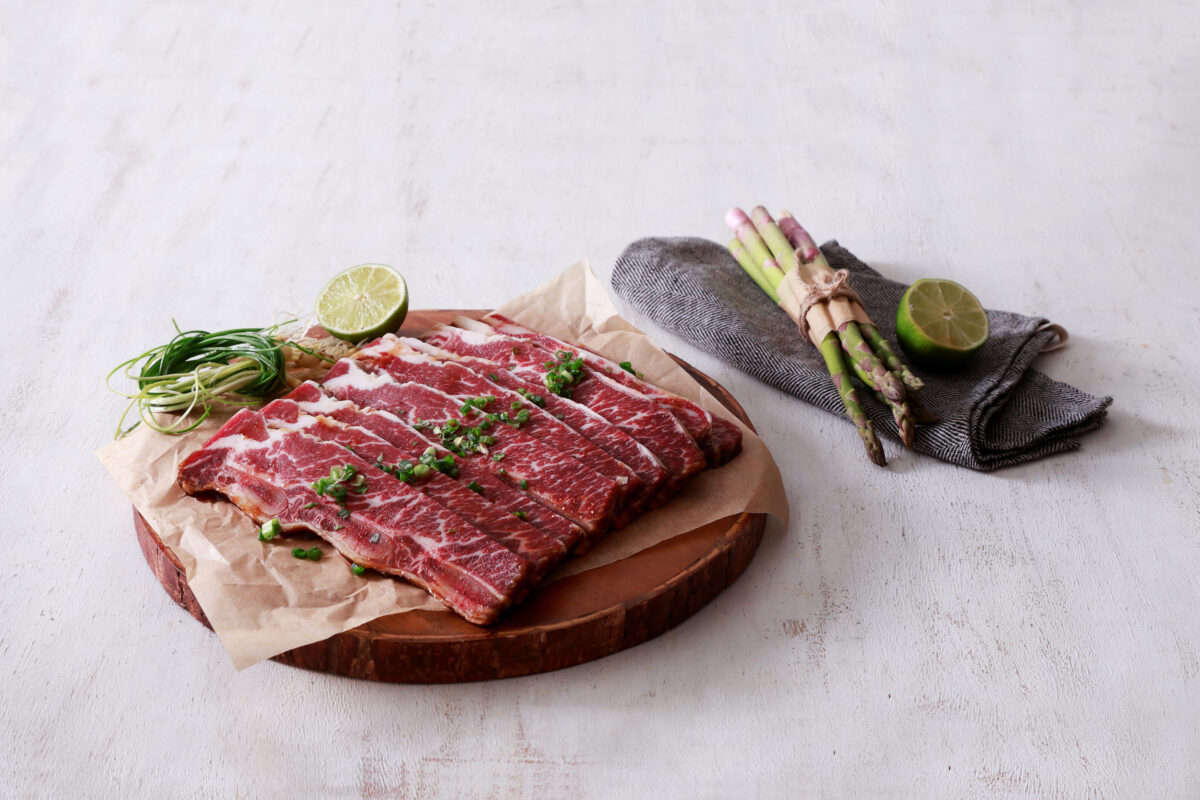
Short ribs once represented an economical way to turn a tougher portion of beef into a rich, comforting dinner. Slow cooking transforms their connective tissue, creating the tender texture that makes braised short ribs so appealing. Their popularity in restaurants and home kitchens has helped make them a more desirable cut.
The Local Beef Index reported a median price of $10 per pound for short ribs across 23 participating farms in the third quarter of 2026. At that price, five pounds would cost $50, even though bone-in portions include non-edible bone weight. That makes comparing prices and cuts particularly important.
For shoppers trying to stretch their grocery budgets, short ribs may no longer be the obvious choice for a slow-cooked meal. Chuck roast can sometimes serve a similar purpose, depending on the recipe and price. Checking the amount of usable meat also helps you decide whether the purchase is a reasonable value.
Oxtail
Few cuts show the changing reputation of inexpensive meat as much as oxtail. Traditionally used in soups, stews, and long-simmered dishes, oxtail was valued for producing rich, flavorful meals from a less fashionable part of the animal. It remains especially popular in Caribbean, African, and other cuisines where slow cooking is central to traditional recipes.
An October 2026 Local Beef Index report covering Northeast producers listed a median oxtail price of $10.50 per pound across 11 farm listings. Individual prices ranged from $6.50 to $17.49 per pound, demonstrating how dramatically costs can vary between sellers. Even the median price makes a large pot of oxtail stew a significant purchase.
Oxtail also contains substantial bone, which affects the amount of meat available after cooking. Shoppers should consider both the price and the portions they expect to serve. Beef shank may be worth comparing when a recipe calls for similarly rich, slow-cooked beef.
Chuck Roast
Chuck roast has long been a dependable choice for economical family cooking. Its marbling and connective tissue make it especially suited to slow braising, pot roast, and hearty beef stews. For generations, it represented the practical alternative to expensive steaks and premium roasts.
But even this familiar staple is getting more expensive. The Local Beef Index reported a median chuck roast price of $11.50 per pound among 33 participating farms in the third quarter of 2026. At that price, a four-pound roast would cost $46 before adding potatoes, carrots, onions, or other ingredients.
Fortunately, chuck roast can still offer value because it works well in meals that stretch across several servings. Butchers interviewed by Simply Recipes in October 2026 recommended shoulder cuts such as blade roast and chuck roll for tender pot roast. Their advice also highlights why comparing individual shoulder cuts can be worthwhile when prices vary.
The Bottom Line
The biggest lesson for grocery shoppers is that yesterday’s cheap cuts are not necessarily today’s bargains. Brisket, skirt steak, flank steak, hanger steak, short ribs, oxtail, and chuck roast can be expensive, even though they’ve long been associated with practical, economical cooking. The prices cited here reflect specific farm listings rather than nationwide supermarket averages, so that local deals may differ.
Before buying meat, compare prices per pound, account for bones and trimming, and consider how many meals the purchase will provide. Weekly specials, larger packages, and alternative cuts may save you money, but they aren’t automatically better deals. These days, shopping smart means questioning the old bargain labels instead of trusting them.
Other articles you may like:
– 9-things-women-say-instantly-ruin-a-dinner-date/
– the-grocery-store-switch-that-could-help-americans-cut-food-costs-without-giving-up-dinner-at-home-in-2026/
– chicago-stole-new-yorks-steakhouse-crown-and-meat-lovers-are-booking-flights-to-the-windy-city/