Costco and Amazon Are Winning Grocery Shoppers While Kroger and Albertsons Lose Ground
The grocery shopping landscape in the U.S. is changing, and the numbers show some familiar names moving in different directions.
Costco and Amazon/Whole Foods captured a larger portion of grocery spending during the latest measurement period, while Kroger and Albertsons saw their share decline. The data comes from Numerator research reported by Grocery Dive, covering 15 tracked food retailers for the 12 months ended June 30, 2026, compared with the same period a year earlier.
But there is an important detail shoppers should understand: these figures measure changes in grocery spending share. They do not prove that customers are leaving one store for another, and they do not show which retailer offers the lowest prices or the best overall shopping experience.
Instead, the numbers provide a snapshot of where more grocery dollars were being spent.
Costco Is Capturing More Grocery Spending
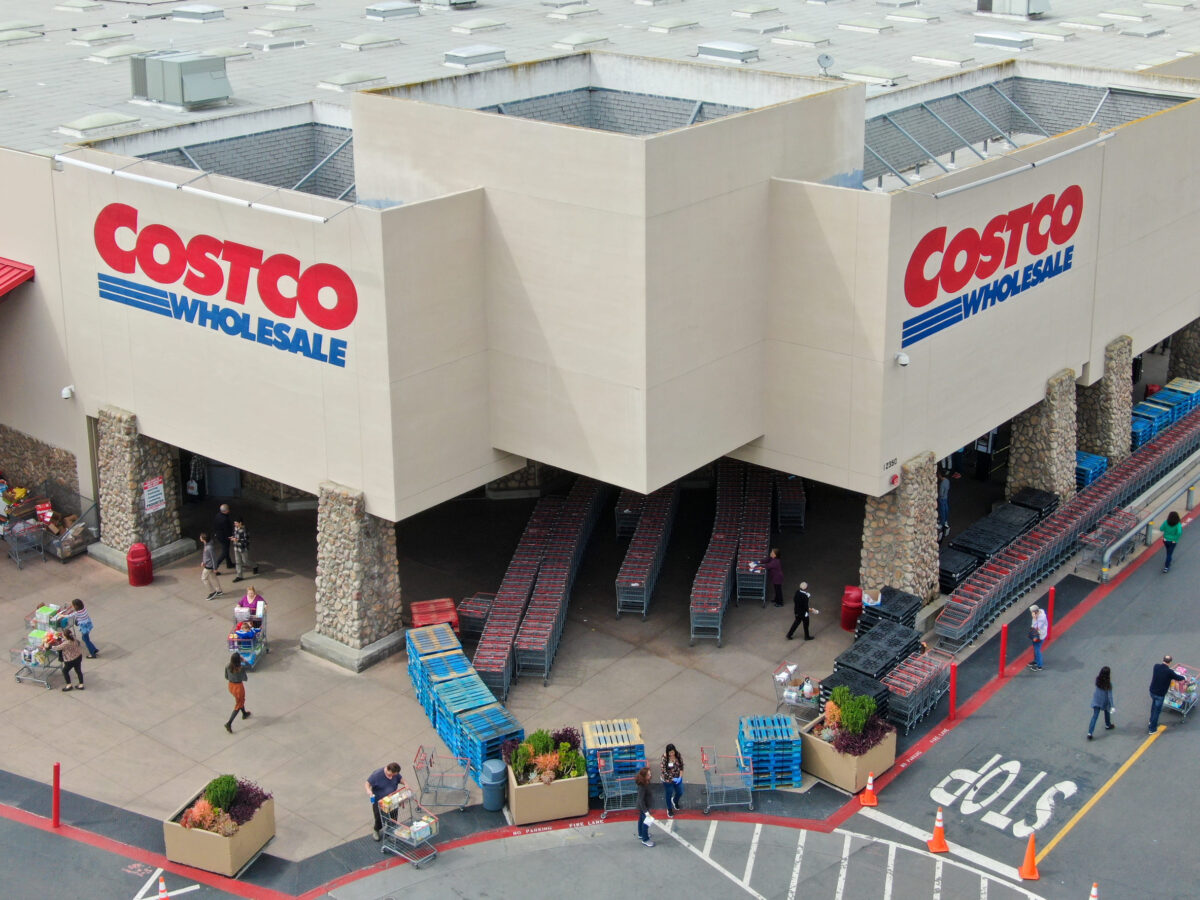
Costco continued to gain ground in grocery spending share during the latest reporting period.
According to Numerator data reported by TheStreet, Costco held an 8.3% grocery market share for the 12 months ended June 30, 2026. During the comparable year-earlier period, its share was 7.9%, representing an increase of 0.4 percentage points.
In simple terms, Costco accounted for a slightly larger slice of grocery spending than it did during the previous comparable period.
The warehouse retailer’s gain was significant enough that Grocery Dive identified Costco as having the second-largest year-over-year grocery share increase among the 15 retailers tracked in the Numerator analysis, behind Amazon/Whole Foods.
Still, the numbers do not explain why Costco gained share. A larger share of grocery spending does not automatically mean shoppers are choosing Costco because of lower prices, bigger savings, or a better selection. The research only shows that Costco captured more grocery spending during the period measured.
Amazon/Whole Foods Posted the Biggest Grocery Share Gain
Amazon and Whole Foods made the biggest move among the retailers included in the Numerator analysis.
Together, Amazon and Whole Foods gained 0.55 percentage points of food-and-beverage market share year over year, according to Chain Store Age’s reporting on Numerator’s findings. That was the largest grocery share gain among the retailers covered in the analysis.
The two businesses were grouped together for this analysis, meaning the increase reflects their combined performance rather than Amazon alone.
However, the available research does not establish an exact combined Amazon/Whole Foods grocery share for both comparison periods on the same basis, so no absolute grocery-share percentage should be assigned to the pair.
One important distinction is that an 8.1% figure sometimes reported for Amazon/Whole Foods refers to CPG share, not grocery-only share. CPG, short for consumer packaged goods, includes a broader range of products beyond groceries, so it should not be used as a grocery market-share figure.
Related: Amazon Workers’ Reliance on Food Stamps Soars as the Company’s Profits Reach $78 Billion
Kroger’s Share Is Moving in the Other Direction
While Costco and Amazon/Whole Foods gained grocery share, Kroger moved the opposite way.
Kroger’s grocery market share stood at 8.3% for the 12 months ended June 30, 2026. Grocery Dive reported that Kroger’s share declined compared with the comparable year-earlier period.
However, the available research does not provide a confirmed previous-period percentage from the same June-ending comparison dataset. A separate report included other figures, but those numbers should not automatically be combined because the measurement periods have not been confirmed as identical.
That means the takeaway is simply that Kroger captured a smaller portion of grocery spending during the latest period compared with the previous year.
A decline in grocery share does not automatically mean Kroger’s sales fell, nor does it prove that customers abandoned the retailer. Market share only shows how a retailer’s portion of spending changed relative to others during the measured period.
Albertsons Is Also Losing Grocery Share
Albertsons experienced a similar shift. The retailer held a 4.5% grocery market share for the 12 months ended June 30, 2026, according to TheStreet’s account of Numerator data. Grocery Dive also reported that Albertsons’ grocery share declined year over year.
The exact previous-period grocery share for Albertsons was not established in the available research, so the comparison cannot be expressed as a specific percentage-point change.
Separately, Albertsons has identified lower prices, an improved store experience, increased traffic, and increased market share as priorities, according to Grocery Dive’s reporting on the company’s strategy. Those goals represent the company’s direction and should not be confused with the Numerator grocery-share results.
What This Shift Means for Grocery Shoppers
The biggest takeaway is that grocery competition is changing. Costco and Amazon/Whole Foods gained a larger share of grocery spending, while Kroger and Albertsons lost share during the latest measurement period.
But the numbers do not answer every question shoppers have when deciding where to buy groceries.
They do not reveal which store has the cheapest basket, which retailer provides the best value, or whether one company’s gains came directly from another company’s customers.
For shoppers, the practical lesson is to look beyond headline numbers. A retailer gaining grocery share does not automatically mean it is the best choice for every household.
Prices, product selection, convenience, location, and the overall shopping experience still matter. The grocery market may be shifting, but the best store for each shopper will depend on what they value most.