Baltimore’s Crab Cakes Are More Than Dinner; They’re Chesapeake Pride With a Golden Crust
Baltimore’s crab cakes have become a signature of Chesapeake Bay food culture because they connect a prized ingredient to family kitchens, seafood workers and a city that takes its favorite dishes personally. The appeal is straightforward: seasoned crabmeat, enough binder to hold it together and a browned exterior. The cultural significance is more complicated, involving generations of cooking, restaurant loyalty and the question of where the crab actually came from.
A crab cake can express Maryland identity without containing Maryland-caught crab. That distinction is essential to understanding the dish, not merely celebrating it. Baltimore restaurants have long served versions made with local, Gulf Coast or imported meat, depending on availability and cost. Regional style, crab species, and geographic origin are related ideas, but not interchangeable and a menu description doesn’t automatically settle all three.
The History Is Older and Less Tidy Than the Familiar Origin Story
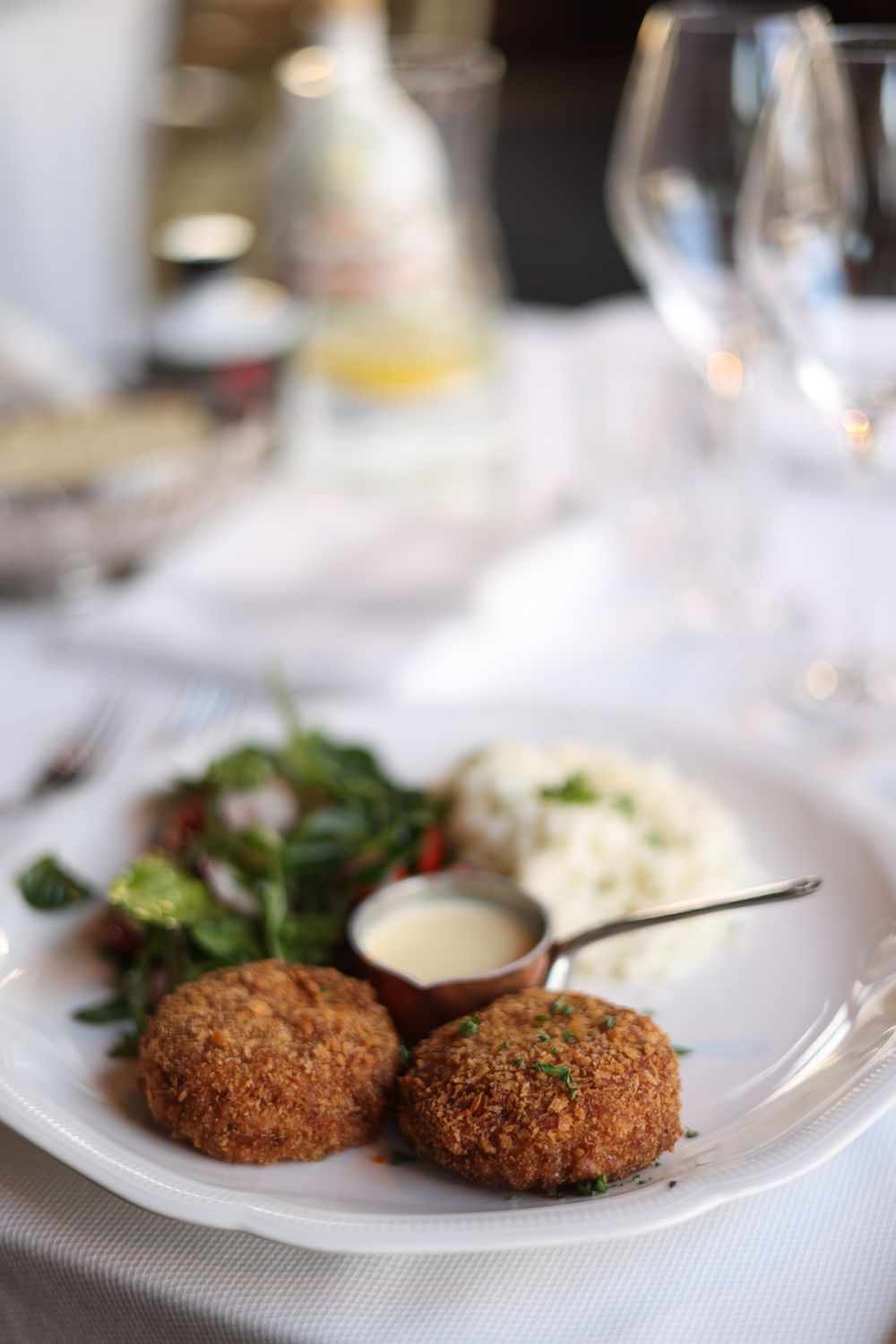
No single inventor can confidently claim Baltimore’s crab cake. Maryland food historian Kara Mae Harris, author of Old Line Plate: Stories & Recipes from Maryland, documents named recipes well before the often-cited twentieth-century cookbook accounts. Thomas J. Murrey included “Crab Cakes” in his 1891 Cookery with a Chafing Dish, and an 1894 Maryland and Virginia cookbook offered “Crab Cakes for Breakfast.” These are documented appearances, not proof that either author created the dish.
Harris also cites a 1873 newspaper mention in which a Harrisburg establishment advertised crab cakes among its offerings. She cautions that the preparation may not have resembled today’s version. That qualification matters: finding the same name in an old menu does not establish an unchanged recipe. Crab cakes developed alongside related preparations such as crab patties, cutlets and deviled crab, with ingredients and shapes shifting across kitchens and decades.
The frequently repeated story that Indigenous people made modern-style crab cakes with cornmeal and fried them in bear fat also deserves scrutiny. Harris traces that particular account to James Michener’s historical novel Chesapeake and reports finding no supporting account in the historical sources she examined. Folklorist Bernard Herman, whom she consulted, instead describes Chesapeake fritter traditions as a coming together of multiple cultural strands, including African traditions. That supports a layered history, not a confidently assigned, single-origin legend.
African American cooks and vendors belong firmly within that history. Harris documents crab dishes sold on Baltimore streets and the work of Black chefs in hotels, restaurants and catering. She also notes how crab picking and food preparation intersected with enslavement and later unequal working conditions. The dish’s heritage is therefore more than a picturesque waterfront story: it includes skilled labor and people whose contributions were not always rewarded or recorded fairly.
Related: New York Just Got a Seafood Bar With Shrimp in Almost Every Form You Can Imagine
Letting the Crab Shine Became a Point of Pride
Modern Baltimore crab-cake culture often prizes visible lumps of meat and restrained filler, but that preference should not be mistaken for the only historical formula. Harris traces changing terminology and status around lump, backfin and other meat grades, noting that restaurants advertised “all lump” cakes by the late 1930s. Earlier recipes and household practices used varied portions of the crab. The present-day prestige of jumbo lump is one chapter in the story, not its beginning.
That distinction leaves room for a useful culinary argument. In a 1948 recipe Harris uncovered, Eastern Shore cook W.C. Mills explained, “All the meat goes into one pile, claw, lump and flake.” His approach contrasts with the insistence that only the largest pieces deserve attention. Both illustrate how a signature food can invite disagreement over quality, texture and tradition without losing its connection to the region.
Baltimore chef and cookbook author John Shields puts flavor at the center of his attachment. “I love Maryland crabmeat. It has a very specific flavor to me, but that’s because I grew up here and I think my sensory memory is still there somehow,” he told Chesapeake Bay Magazine in 2020. Shields named Gertrude’s, his Baltimore restaurant, after the grandmother with whom he picked crabs for family meals. His explanation links taste to memory rather than presenting personal preference as a universal scientific verdict.
Family recipes reinforce that connection. In Baltimore Magazine’s 2017 crab-cake feature, restaurateur Amy Gjerde described her version simply: “This is the recipe for the crab cakes my grandmother, Virginia, made.” She added garden herbs to make it her own. The same feature appeared across seafood houses, taverns, diners, market stalls, and restaurants with otherwise different specialties. Their range shows how thoroughly the dish had entered the area’s dining culture.
A Chesapeake Signature Still Raises a Sourcing Question
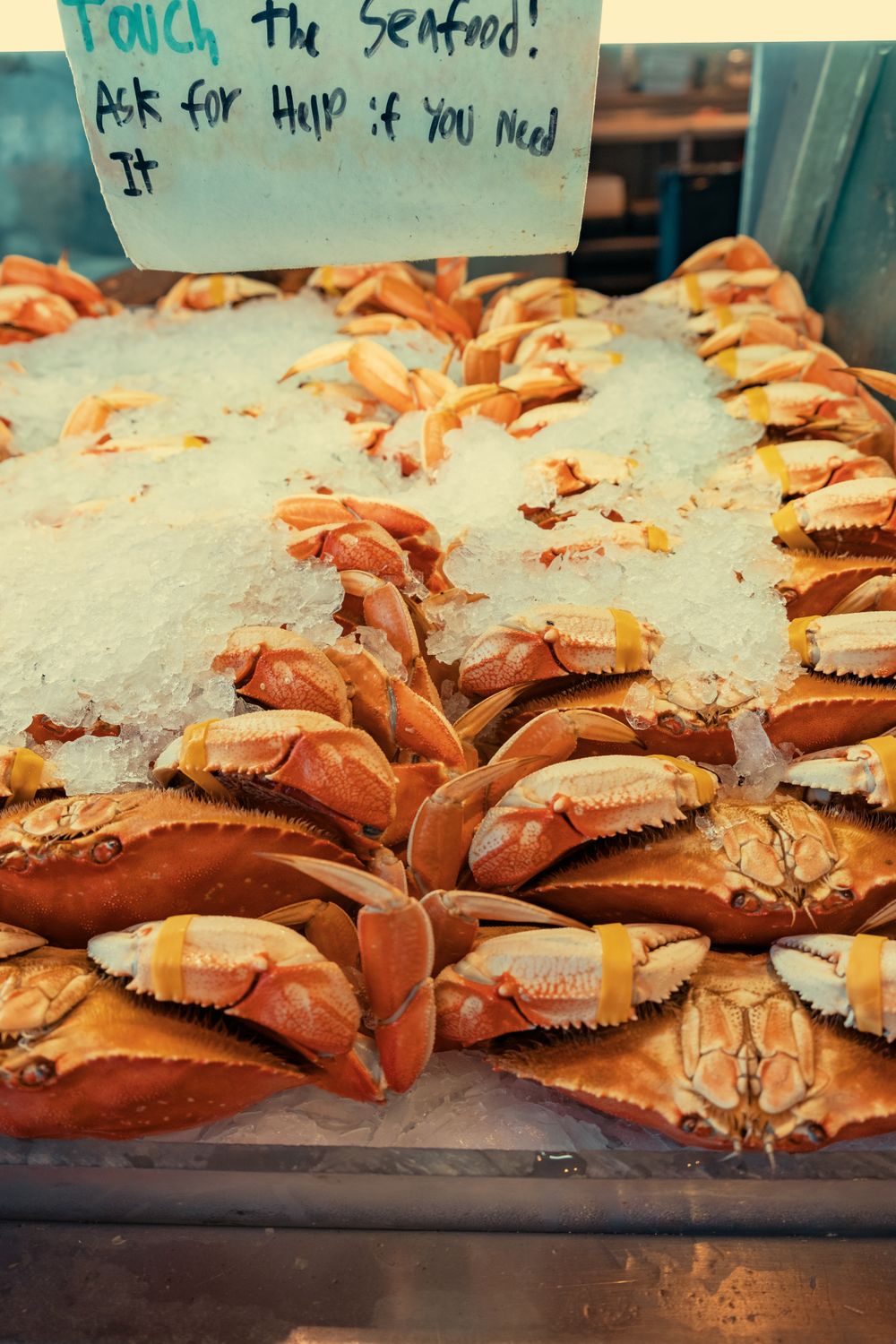
Being associated with the Bay does not mean every cake supports the same local supply chain. In 2020, Shields estimated that most crab cakes sold in Maryland contained meat from outside the Chesapeake, citing availability and price. That was his estimate at the time, not a current, independently established statewide percentage. Its larger point remains useful: strong demand for a regional dish can exceed what restaurants obtain from that region.
Blue crab species and catch location also need to be separated. Callinectes sapidus, the blue crab traditionally associated with Chesapeake cooking, lives well beyond the Bay, including the Gulf of Mexico, Caribbean and parts of the Atlantic coastline. Other swimming-crab species enter the market through imports. Asking whether a cake contains blue crab is therefore different from asking whether its meat was caught in Maryland or the Chesapeake.
Mislabeling carries consequences beyond disappointing a diner. In the 2020 report, Oceana’s Beth Lowell said, “It undermines local fishermen and seafood businesses that abide by the rules.” She added, “It has ripple effects throughout the supply chain and the local economy.” Imported meat isn’t inherently dishonest; the problem is presenting it as something it isn’t. Clear sourcing gives customers a more meaningful choice.
That is why Baltimore’s crab cake is best understood as both comfort food and a conversation about place. Its reputation rests on appealing flavor, remembered meals, skilled preparation, and the Bay economy behind the ingredient. You do not need to declare one recipe the winner to appreciate it. Knowing something about the meat, the maker, and the history makes that golden-brown cake a more informative, distinctly Chesapeake meal.