Energy Bills Are Changing Fast: 8 Ways Energy Providers Must Adapt or Lose Customers in 2026
Energy is no longer a background utility sitting quietly in the corner of daily life. It has become a household pressure point, a driver of financial decisions, and a lifestyle choice all at once. Consumers are no longer passive bill payers. They are active energy managers comparing prices, exploring solar, questioning usage, and demanding clarity from providers.
We are entering a new era where energy companies are no longer just suppliers. They are expected to act as guides, educators, and problem-solvers inside the home. The energy relationship is no longer transactional. It is personal, continuous, and deeply tied to how people live every day.
Energy consumers are no longer passive; they are in control.

The traditional energy customer is disappearing fast. In their place is a highly informed, highly sensitive consumer who tracks bills, compares providers, and explores alternatives like solar panels, EV charging, and battery storage.
This shift is not emotional; it is financial. With energy prices still elevated globally relative to pre-crisis levels, households are actively seeking ways to reduce consumption and gain control over costs. That means providers are now competing not just on price, but on clarity, trust, and experience.
If the customer understands energy better than the provider explains it, trust breaks instantly. That single gap is now one of the biggest risks in the entire energy sector.
The energy bill has become a battleground for customer experience.
For most households, the energy bill is the only monthly interaction with their provider. That makes it a critical moment of trust. Yet many consumers still struggle to understand what they are paying for, why costs have changed, or how to reduce usage.
The expectation has shifted sharply. The modern energy bill is no longer just a statement. It is expected to function as a simple, clear energy report that helps households make better decisions.
Consumers now want to see usage trends over time, cost breakdowns in plain language, comparisons with previous months, and practical savings suggestions. They also expect alerts when their consumption patterns look unusual.
Providers that simplify billing are not just improving service. They are actively reducing customer frustration and preventing churn.
Interest in clean energy is rising, but confusion is slowing action.
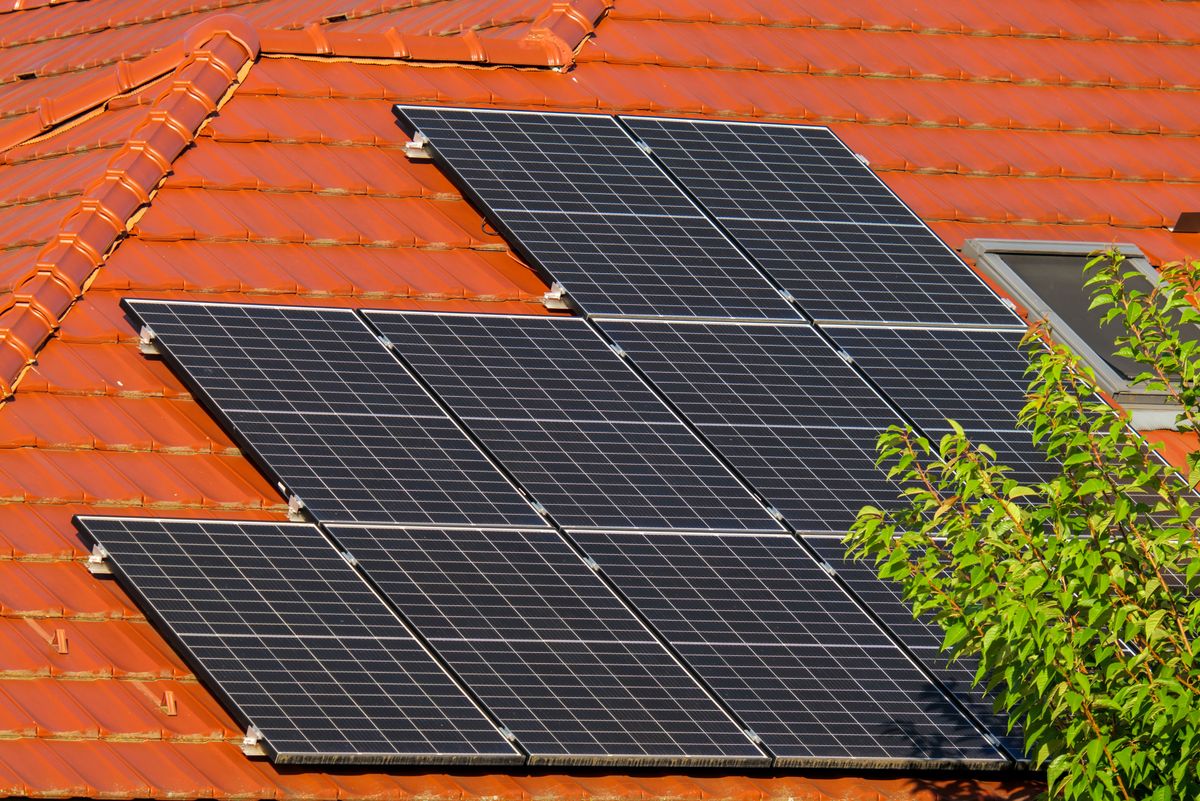
Interest in clean energy solutions like solar panels, heat pumps, EVs, and smart home systems is growing rapidly. However, interest is not translating into action at the same pace.
The reason is not a lack of demand. The reason is complexity.
Consumers face upfront costs, confusing incentives, unclear installation processes, and uncertainty about real savings. Even when people want to act, they often hesitate because the journey feels overwhelming.
This creates a major opportunity for energy providers. The company that simplifies the clean energy journey will not only increase adoption but also build long-term loyalty. Consumers are not just looking for products. They are looking for confidence that they are making the right decision.
Digital energy experiences must feel human, not mechanical.

Energy companies have invested heavily in digital platforms, apps, and online tools. But digital alone is not enough anymore.
Consumers now expect a hybrid experience that blends convenience with human support. They want self-service tools for simple tasks like checking usage or paying bills, but they also want real people available when decisions become complex or stressful.
The winning model is not digital-only. It is digital when convenient and human when it matters most.
A chatbot can explain usage data. However, a trained advisor is still essential when a household is deciding on solar investment, battery storage, or long-term energy contracts. Trust is still built through human interaction.
The home is becoming an energy hub.
Homes are no longer just consumers of energy. They are becoming active energy systems.
Rooftop solar, home battery storage, smart thermostats, EV chargers, and energy-efficient appliances are transforming houses into connected energy ecosystems. This shift means every home is gradually becoming a small energy platform.
This fundamentally changes the role of energy providers. They are no longer just suppliers of electricity or gas. They are becoming coordinators of home energy ecosystems, helping households connect, manage, and optimize multiple systems together.
Providers that fail to adapt risk losing relevance to technology companies, installers, and new energy platforms that move closer to the customer experience.
Cost savings still drive most energy decisions.
Despite growing interest in sustainability, one factor continues to dominate consumer decision-making: saving money.
Households are not abandoning environmental goals, but affordability consistently comes first. The strongest energy message today is simple and practical. It is about lowering monthly bills without sacrificing comfort or lifestyle.
Energy-efficient appliances, better tariffs, smart usage tools, and time-based pricing are all gaining traction because they clearly connect sustainability with financial benefit.
Clean energy adoption accelerates most quickly when it is framed as a cost-saving strategy rather than solely an environmental choice.
Adoption is growing, but bigger changes still lag behind.
Consumers are already making small but meaningful changes in how they use energy. Many households are switching to energy-efficient appliances, washing clothes in cold water, and reducing heating or cooling usage when possible.
However, larger investments are still slower to adopt. Electric vehicles, solar systems, batteries, and heat pumps are gaining interest but remain unevenly adopted.
This gap reveals a clear truth. Behavioral changes are relatively easy, but capital investments require trust, clarity, and financial support.
To bridge this gap, providers must reduce complexity through financing options, transparent explanations of savings, and bundled service offerings that simplify decision-making.
Trust will decide which energy providers survive the next decade.
At the center of everything is trust. Consumers want providers who are transparent about pricing, honest about energy usage, reliable during outages, supportive during financial pressure, committed to sustainability, and fair to vulnerable customers.
Yet trust remains fragile across many markets.
The energy transition is not just a technology shift. It is a relationship reset between providers and households. Companies that build trust will expand into new services like solar coordination, EV ecosystems, home energy platforms, and digital energy coaching.
Companies that fail to build trust will be reduced to commodity suppliers competing only on price.
The big shift from utility provider to energy partner
The energy industry is entering a new phase of identity. The old model was simple: generate power, distribute it, bill customers, and repeat. That model is no longer enough.
The new model is far more complex. It requires providers to educate consumers, simplify decisions, integrate clean energy solutions, support digital and physical journeys, and build long-term household relationships.
Energy providers are no longer just selling electricity. They are shaping how modern homes function and how families experience daily life.
The provider that simplifies energy wins the market
The energy sector is becoming more competitive, more digital, and more customer-driven than ever before. But the winning formula remains surprisingly simple.
It comes down to making energy easy to understand, making clean energy easy to adopt, and making the customer experience easy to trust.
In a world where energy has become personal, the providers that remove complexity will lead the transition and ultimately lead the market.