U.S. Makes Visa Bond Program Permanent, Raising Potential Deposit to $20,000
A temporary trip to the United States could soon require a deposit larger than many travelers’ annual income.
Beginning August 3, 2026, the U.S. State Department will make its visa bond program permanent, allowing consular officers to require certain business and tourist visa applicants to post refundable bonds of $10,000, $15,000 or $20,000. The policy currently covers nationals of 50 countries, most of them in Africa.
The final rule expands a pilot program introduced in August 2025 as part of the Trump administration’s intensified effort to reduce visa overstays. Supporters point to a dramatic decline in recorded overstays among affected travelers, while critics warn that the policy could transform lawful travel into an opportunity available mainly to the wealthy.
The Deposit Comes After an Applicant Qualifies
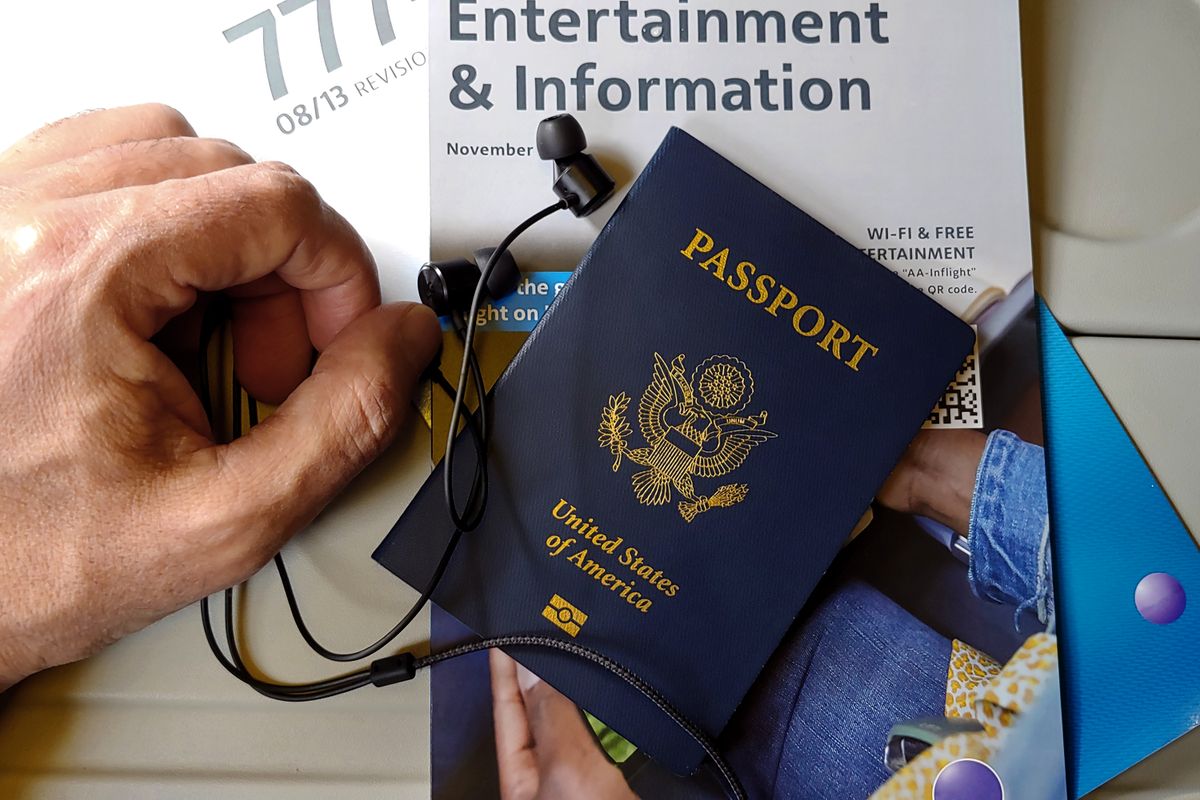
The bond requirement applies to certain applicants seeking B-1 business visas, B-2 tourist visas or combined B-1/B-2 visas. It does not automatically apply to every person requesting a U.S. visa.
Applicants must first be found otherwise eligible for a visa. A consular officer then determines whether a bond is required and sets the amount based on the applicant’s circumstances. Under the permanent program, the available bond levels will be $10,000, $15,000 and $20,000, according to the final rule published in the Federal Register.
The previous pilot allowed bonds of $5,000, $10,000 or $15,000. The permanent version eliminates the lowest option and adds a new $20,000 maximum, significantly increasing the potential financial hurdle.
Payment does not guarantee admission to the United States. Even after receiving a visa, a traveler must still satisfy U.S. Customs and Border Protection officers at the port of entry.
A Refundable Bond With Strict Conditions
The bond functions as a financial guarantee that the visitor will follow the conditions of the visa and leave the United States before the authorized stay expires. The money is generally returned to the person who paid it after the government confirms compliance.
A friend, relative or business associate may post the deposit on an applicant’s behalf. Payments must be made in U.S. dollars through the Treasury Department’s Pay.gov platform after a consular officer provides instructions.
The State Department warns applicants not to pay through third-party websites or submit a bond without official direction. An unauthorized payment may not be recoverable, making the program a potential target for scammers.
Travelers can lose the entire deposit if authorities determine that they substantially violated their visa conditions. Remaining in the country beyond the authorized period, filing certain applications late, or failing to depart within 10 days after the denial of a timely extension request may trigger forfeiture.
The final rule also treats the filing of an asylum application or another Form I-589 humanitarian protection claim as a breach of the visa bond. The Department of Homeland Security makes the final breach determination, although an appeal process is available.
Fifty Countries Already Face the Requirement
The existing list covers 50 countries across Africa, Asia, the Caribbean, Europe, Latin America and the Pacific. Among them are Nigeria, Uganda, Ethiopia, Bangladesh, Nepal, Cambodia, Cuba, Venezuela, Georgia, Fiji and Mongolia.
African nations account for most of the affected countries. The list includes Algeria, Angola, Benin, Botswana, Burundi, Cabo Verde, Côte d’Ivoire, Djibouti, Gabon, The Gambia, Guinea, Lesotho, Malawi, Mauritania, Mauritius, Mozambique, Namibia, Senegal, Tanzania, Togo, Zambia and Zimbabwe.
The complete list is available on the State Department’s Countries Subject to Visa Bonds page. Officials may add countries with at least 15 days’ notice or remove them immediately.
Selection criteria extend beyond visa overstay rates. The government may also consider inadequate information sharing, weak identity verification, gaps in criminal-record reporting, and concerns about the security of travel or civil documents.
Travelers who post bonds must enter and leave through commercial airports, including authorized Customs and Border Protection preclearance locations. Land crossings, seaports, charter flights, and general aviation cannot be used to satisfy the bond’s travel conditions.
The Pilot Produced Striking Numbers

The State Department says the pilot delivered measurable results. The 50 covered countries recorded 45,488 B-visa overstays during fiscal year 2024, but fewer than 50 during the first 10 months of the bond program.
That reduction came with an equally striking decline in travel. B-1 and B-2 visa issuance among the affected countries fell 83 percent compared with the same 10-month period a year earlier.
Officials initially expected approximately 2,000 applicants to face the requirement during the one-year pilot. Instead, about 20,000 applications required a bond, according to the Federal Register.
Close to half of those applicants paid. The deposits temporarily transferred approximately $115 million from members of the public to the government, while nearly half of affected applicants apparently chose not to proceed with payment.
Those figures reveal the policy’s central tension. It may discourage overstays, but it also appears to discourage thousands of otherwise qualified travelers before they reach the United States.
Security Tool or Barrier to Lawful Travel?
The administration describes the program as both an immigration enforcement measure and a diplomatic tool. Officials say it gives foreign governments an incentive to improve document security, share information, and encourage their citizens to comply with U.S. immigration rules.
For families and small-business travelers, however, a refundable deposit can still create an impossible upfront expense. Applicants may need to lock away $20,000 in addition to paying visa fees, airfare, accommodation and other travel costs.
Critics also question the program’s disproportionate impact on African nations. A requirement that appears financially neutral on paper can have sharply unequal consequences when applied across countries with very different household incomes and access to credit.
The government acknowledges that the bonds have reduced demand for visitor visas. It nevertheless argues that the deposits are temporary transfers rather than permanent costs because compliant travelers receive their money back.
That distinction may matter legally, but it offers little comfort to someone who cannot raise $10,000 before traveling for a family event, medical appointment or business meeting.
What Applicants Should Do Next

Applicants from listed countries should not send money before receiving direct instructions from a U.S. consular officer. They should verify all payment information through an official government website and avoid agents claiming that a bond can guarantee visa approval.
Anyone who pays should retain copies of Form I-352, payment confirmations, travel records, and proof of departure. Because refunds depend on the government confirming compliance, accurate entry and exit records will be critical.
The permanent visa bond program gives Washington a powerful new mechanism for controlling temporary travel. Its early results show fewer recorded overstays, but also far fewer visas and millions of dollars tied up in government-held deposits.
The long-term question is whether the policy can enforce immigration rules without making ordinary family visits and legitimate business travel unattainable for people who lack access to tens of thousands of dollars.