Hillary Clinton Warns Americans Should Be “Worried About Everything” Over Bill Pulte’s Role as Acting DNI
A new political firestorm is unfolding in Washington after Hillary Clinton warned Americans to be “worried about everything” surrounding Bill Pulte’s temporary leadership of the nation’s intelligence community. Clinton’s warning has turned an already controversial appointment into a larger debate over national security, political influence, classified information, and the future independence of America’s intelligence agencies. The former secretary of state and 2016 presidential candidate argued that placing Pulte in the acting Director of National Intelligence role raises serious concerns because the position oversees some of the country’s most sensitive intelligence operations.
The controversy is not only about one appointment. It is about whether one of America’s most powerful national security positions should be held by someone whose background critics say does not match the traditional expectations of the role. As lawmakers, intelligence officials, and political leaders continue debating the decision, the question now facing Washington is whether Pulte’s appointment represents necessary reform or a dangerous shift toward political control of the intelligence system.
Bill Pulte’s Acting DNI Appointment Sparks Immediate Controversy
President Donald Trump’s decision to appoint Bill Pulte as acting Director of National Intelligence quickly drew criticism from opponents who questioned his qualifications and experience. Pulte previously served as director of the Federal Housing Finance Agency, where he oversaw major housing institutions including Fannie Mae, Freddie Mac, and the Federal Home Loan Banks. While supporters argue that leadership skills and government experience can transfer across agencies, critics say the intelligence community requires specialized knowledge involving foreign threats, cybersecurity, military risks, espionage, and global security challenges.
The Director of National Intelligence position was created after the September 11 attacks as part of a major effort to improve communication between America’s intelligence agencies. The goal was clear: prevent intelligence failures by ensuring information from agencies such as the CIA, FBI, National Security Agency, and other intelligence organizations could be effectively coordinated and delivered to national leaders. Because of that responsibility, critics argue that the DNI role requires extensive national security expertise rather than primarily political trust or administrative experience.
Clinton Warns About Political Influence Inside Intelligence Agencies
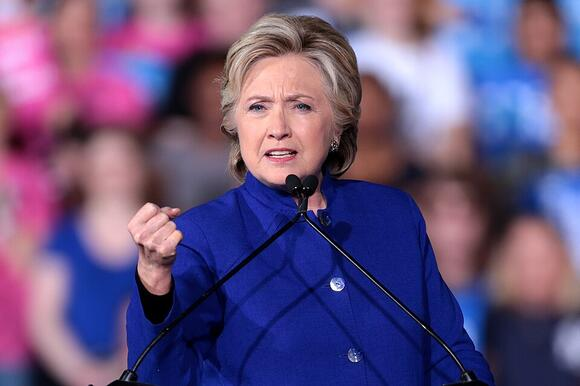
During an appearance on the Democracy Docket podcast hosted by Marc Elias, Clinton argued that Americans should be deeply concerned about the appointment. Her warning focused on the possibility that intelligence agencies could become more politically influenced at a time when trust in government institutions is already divided. Critics of the appointment argue that intelligence agencies must remain independent because their work often involves information that can affect elections, military decisions, diplomatic relationships, and national security responses.
The concern is that if intelligence leadership becomes closely tied to political interests, public confidence could decline further. Supporters of Trump’s decision reject that criticism, arguing that intelligence agencies need stronger accountability and that elected leaders have the authority to select officials who share their vision. The disagreement reflects a much larger battle over the role of the intelligence community in American democracy.
Why the Director of National Intelligence Role Matters So Much
The Director of National Intelligence is not a ceremonial position. The DNI serves as the central coordinator for the United States intelligence community, helping organize information from multiple agencies and advising the president on threats facing the country. The position involves oversight of intelligence priorities, coordination between agencies, budget planning, and ensuring that national leaders receive accurate information.
The person holding the role may receive briefings on: Foreign military threats, Cybersecurity attacks, Terrorism networks, Election interference attempts, Nuclear programs, Espionage operations, International conflicts. That level of access explains why critics have raised concerns about any appointment they believe lacks traditional intelligence experience. The debate is not simply about whether Pulte can manage an organization. It is about whether the intelligence community requires a leader with years of direct national security expertise.
Concerns Grow Over Pulte’s Previous Political Battles
The controversy surrounding Pulte has also been connected to his previous role at the Federal Housing Finance Agency. During his time leading the agency, Pulte became involved in several politically sensitive disputes over accusations of mortgage fraud against Trump’s critics. Those actions drew criticism from opponents who argued that federal authority was being used in a politically aggressive manner.
Supporters, however, defended Pulte’s approach as an effort to investigate wrongdoing and hold powerful individuals accountable. Now, critics fear that the same confrontational style could enter the intelligence community, where decisions involving classified information require careful handling and institutional trust. The question being debated in Washington is whether Pulte represents a necessary outsider willing to challenge government bureaucracy or whether his approach could weaken the independence of intelligence operations.
Trump’s Declassification Comments Add More Tension
The debate intensified after Trump said Pulte had the ability to declassify certain government records. Declassification authority is one of the most sensitive powers associated with intelligence leadership because the release of information can influence public debates, legal cases, and political narratives. Supporters argue that greater transparency can help Americans understand government actions and expose information that has remained hidden.
Critics warn that intelligence material must be handled carefully because documents may contain sensitive details about sources, methods, foreign relationships, or ongoing operations. The disagreement highlights a broader concern: whether intelligence information should primarily serve public transparency or remain protected to preserve national security. In a politically divided environment, every decision involving classified records is likely to receive intense scrutiny.
Staffing Changes Raise Additional Questions Inside ODNI
Another major concern involves potential changes within the Office of the Director of National Intelligence. Reports of possible staff reductions have increased worries among critics who argue that experienced intelligence professionals provide valuable institutional knowledge. Career officials often understand complex systems, foreign relationships, and security procedures developed over many years.
Supporters of restructuring argue that government agencies can become inefficient and that leadership changes are sometimes necessary to improve performance. However, critics believe major personnel changes inside the intelligence community require caution, especially when made by an acting leader whose tenure may be temporary. The debate reflects a familiar disagreement in Washington: whether government reform requires disruption or whether disruption creates unnecessary risks.
The Legal Battle Over Acting Leadership
One of the biggest questions surrounding Pulte’s role involves the legal requirements for serving as Director of National Intelligence. Federal law requires permanent DNI nominees to have extensive national security expertise. The debate now centers on whether those requirements apply differently to an acting official. Critics argue that allowing someone without the expected background to temporarily lead the intelligence community could create a pathway around the confirmation process.
The administration argues that acting officials have long been used across government and that Pulte’s position is temporary while a permanent nominee moves through the Senate process. The outcome of this debate could influence future presidents and their use of temporary appointments to powerful government positions.
Foreign Governments Are Watching the Dispute Closely
The controversy is also attracting attention because intelligence leadership affects America’s relationships with allies and rivals. Countries that share intelligence with the United States depend on confidence that information will be protected and handled responsibly. Critics argue that internal political battles surrounding intelligence agencies could create uncertainty among allies.
They warn that foreign adversaries may attempt to exploit divisions within the United States by spreading misinformation or testing weaknesses. Supporters counter that strong leadership and reform can actually strengthen national security by making agencies more accountable. Regardless of political views, intelligence experts agree that trust remains one of the most important assets in national security.
Reform or Risk?
The fight over Bill Pulte’s acting DNI role represents a much larger debate about the future of American intelligence. Trump supporters believe the intelligence community has become too independent from elected leadership and requires major reform. Critics believe intelligence agencies must remain insulated from political pressure to protect national security and democratic institutions. At the center of the dispute is a fundamental question: Should America’s intelligence leadership prioritize loyalty and reform, or experience and institutional independence?
As Pulte continues in the acting role and lawmakers examine the appointment, the debate will likely continue. For Americans watching from outside Washington, the issue goes beyond political personalities. It is about whether the institutions responsible for protecting the country can maintain public trust during one of the most politically divided periods in modern history. The coming months will determine whether this controversy becomes a short-term political fight or a defining moment in the debate over the future of America’s intelligence system.