7 Thanksgiving Cooking Decisions That Can Create Unnecessary Stress
Thanksgiving cooking doesn’t have to be effortless to be enjoyable. There may be a full sink, a crowded counter, and someone asking when dinner will be ready. None of that means you planned badly.
Still, some cooking decisions deserve a second look before they land on your to-do list. A menu can sound wonderful on paper but demand more time, attention, and kitchen space than you want to give.
The goal isn’t perfection. It’s preparing a meal you can manage and enjoy. These seven Thanksgiving cooking decisions are worth reconsidering before the holiday arrives.
Trying Too Many Unfamiliar Recipes
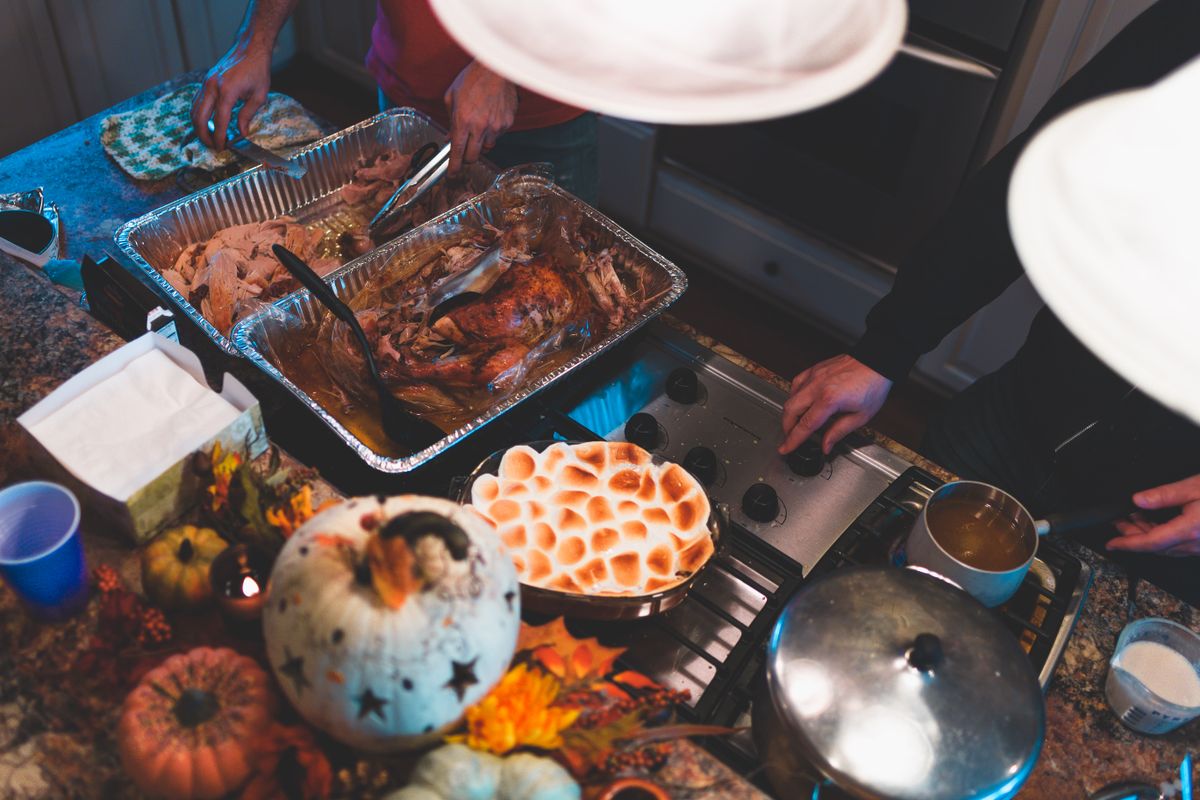
A new stuffing recipe or an interesting dessert can make Thanksgiving dinner more exciting. There’s nothing wrong with changing your usual menu or experimenting with something different. However, preparing several unfamiliar dishes at once can make an already busy cooking day more demanding.
Every new recipe comes with instructions, preparation steps, and techniques you may not know. Some require more hands-on attention than expected, which becomes inconvenient when other dishes need your attention.
Consider balancing new recipes with familiar favorites. You might experiment with a vegetable side while sticking to your usual mashed potatoes and pumpkin pie.
Read unfamiliar recipes completely before adding them to the menu. Check the preparation requirements, ingredients, and equipment. If something looks particularly complicated, try making it beforehand or save it for another occasion.
Building a Schedule That Only Works if Everything Goes Perfectly
Planning to put the turkey in the oven sometime during the morning isn’t quite the same as having a cooking schedule. Neither is adding up the cooking times without considering everything that happens between them.
The Alabama Cooperative Extension System recommends working backward from your intended serving time. It also explains that cooking schedules vary depending on the recipes, oven, and turkey size.
Start with when you want everyone to eat. Then work backward, accounting for preparation, cooking, resting, reheating, and finishing tasks wherever necessary.
Don’t forget that different dishes may need the oven at the same time. If your schedule leaves no room for unexpected delays, consider simplifying it.
A little flexibility makes the plan more useful when Thanksgiving Day doesn’t unfold exactly as expected.
Related: 4 “Polite” Thanksgiving Habits Everyone Secretly Finds Rude
Saving Every Preparation Task for Thanksgiving Morning
There’s a difference between wanting freshly prepared dishes and insisting that every kitchen task happen on Thanksgiving morning.
Measuring ingredients, preparing certain components, finding serving utensils, and organizing cookware don’t necessarily need to compete with roasting the turkey.
Serious Eats’ Thanksgiving preparation timeline identifies pie dough, gravy, and dinner rolls as possible advance freezer projects. It also discusses preparing cranberry sauce and certain casserole components before Thanksgiving Day.
The best approach depends on the recipe. Review its make-ahead, storage, and reheating instructions before shifting any preparation to an earlier day.
Even when a complete dish needs to be prepared on Thanksgiving, you may be able to organize its ingredients or equipment beforehand.
You can also arrange serving dishes, utensils, and table settings ahead of time. These smaller preparations leave fewer decisions for the busiest part of the day.
Adding Dishes Without Considering the Workload
One more casserole sounds like a lovely idea until you remember it requires additional ingredients, chopping, cookware, and oven space.
It’s easy to focus on how delicious a dish sounds without considering the extra work it creates. Unfortunately, every addition needs somewhere to fit into your preparation schedule.
Serious Eats recommends keeping holiday menus manageable and balancing oven-dependent recipes with stovetop dishes and other options.
Before adding another side, consider what your family actually looks forward to eating. Keep the dishes that matter most, then decide whether the extras justify the additional effort.
You might discover that one vegetable side and a familiar casserole make more sense than several elaborate dishes competing for attention.
There’s no universally correct number of Thanksgiving sides. Your menu should reflect your gathering, available time, and willingness to cook.
Planning for a Kitchen You Don’t Have
Your Thanksgiving menu needs to fit your equipment, not just your appetite.
You may have enough ingredients for three casseroles but only enough oven space for one at a time. Two dishes might require different cooking temperatures, and several stovetop recipes could demand attention simultaneously.
Food Network’s Thanksgiving countdown planner recommends checking cooking requirements and organizing the order of dishes. Serious Eats also encourages checking cookware and serving equipment before the holiday.
Before finalizing your menu, match each dish with the appliance, pan, and cooking window it needs.
Consider refrigerator space for ingredients and make-ahead preparations, too. A crowded refrigerator or an unavailable baking dish can complicate an otherwise reasonable plan.
If everything doesn’t fit, adjust your menu or arrange for a guest to bring an agreed-upon dish. You don’t necessarily need more equipment. Sometimes a simpler cooking plan is the better solution.
Treating Hosting as a Solo Assignment
Hosting Thanksgiving doesn’t mean you must personally prepare every single dish.
Cooking the turkey, managing side dishes, preparing desserts, and coordinating the table can create a long list of responsibilities for one person.
Both Alabama Cooperative Extension and Serious Eats include assigning dishes or coordinating contributions as part of Thanksgiving planning.
Consider asking willing family members or guests whether they’d like to contribute something specific. Someone might enjoy bringing dessert, cranberry sauce, or a favorite side dish.
Make arrangements early so everyone understands what’s needed. Also clarify whether the contribution will arrive ready to serve or require time in your kitchen.
Guests who aren’t bringing food might prefer helping with table settings or arranging serving dishes.
The important part is making responsibilities clear and mutually agreeable. Sharing a few manageable tasks can leave the host with fewer things to coordinate.
Making Last-Minute Menu Changes Without Revisiting the Plan
A last-minute addition isn’t automatically a bad decision. Sometimes you discover a simple recipe that fits perfectly into your existing menu.
However, adding another dish after you’ve finished shopping and organized the cooking schedule deserves some consideration.
Food Network’s Thanksgiving countdown planner places menu planning before grocery shopping and recommends reviewing recipes to create a preparation schedule.
Before agreeing to an extra dish, check its ingredients, preparation requirements, cookware, and cooking time.
Will it require another shopping trip? Does it need oven space already reserved for something else? Can you prepare it without disrupting the rest of dinner?
If the new dish sounds worthwhile, consider replacing an existing item rather than expanding the menu.
Sometimes changing your plan makes sense. The key is understanding what that change requires before making another commitment.