Before Winter Hits, 8 Kitchen Jobs Grandma Never Skipped
Before grocery stores offered strawberries in December and freezers could hold weeks of meals, getting the kitchen ready for winter took serious planning. Grandma couldn’t always find fresh vegetables when she wanted, so the changing seasons often meant filling jars, sorting produce, and organizing cupboards.
Of course, not every American grandmother followed the same routine. But in many older households, especially those growing their own food, preparing for colder months was a practical tradition that kept the family kitchen running. And surprisingly, several of those old-fashioned habits still make plenty of sense today.
Preserving the Last of the Harvest
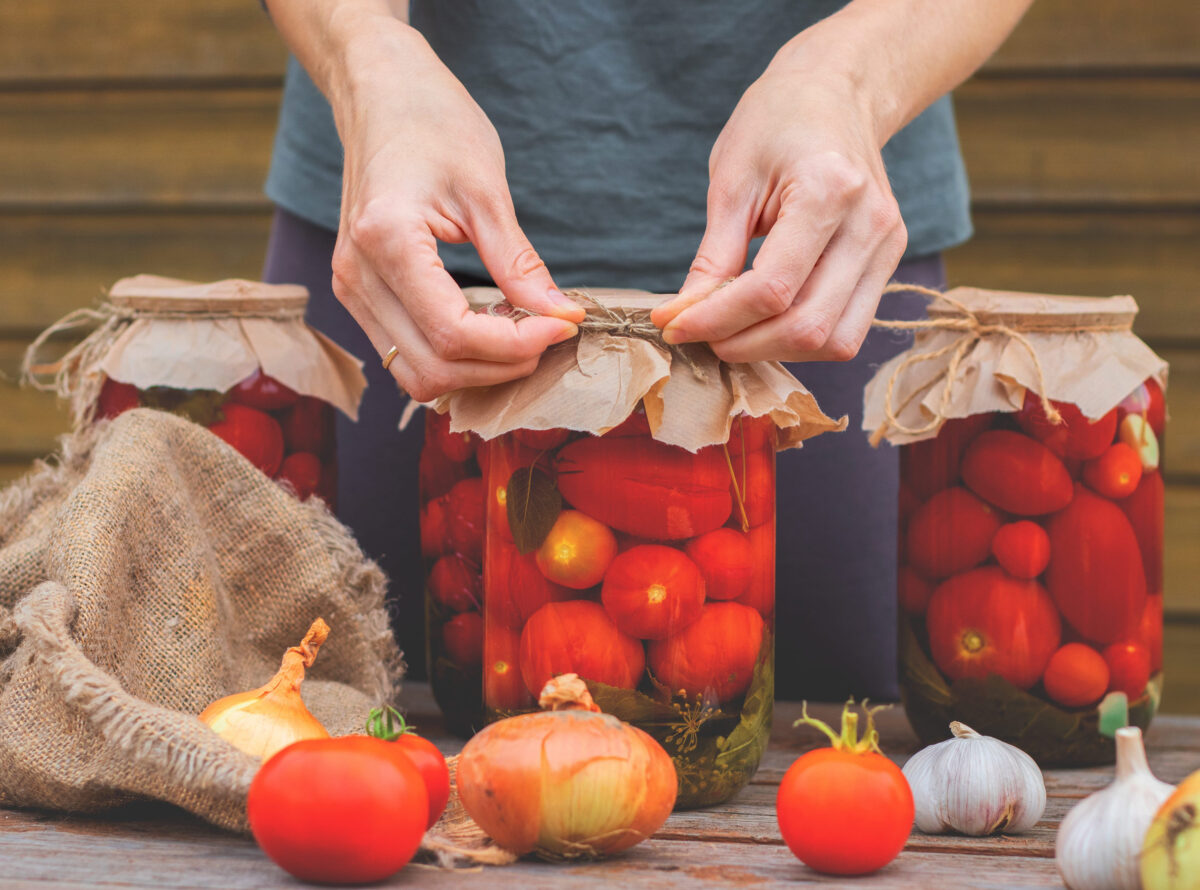
Remember those shelves lined with jars of tomatoes, peaches, and homemade pickles? They weren’t just pretty decorations. For families preserving their own harvests, those jars represented food they could enjoy long after the growing season ended.
A 1940 Oregon State College extension manual documented home preservation methods involving fruits, vegetables, jams, and pickles. Families often processed different foods as they became available throughout summer and fall, rather than completing everything during one busy weekend.
Today, home canning can still be rewarding, especially when you have extra garden produce. Just remember that Grandma’s original recipe might not meet modern safety standards. The National Center for Home Food Preservation recommends tested procedures, including pressure canning for low-acid vegetables.
Taking Stock of the Winter Food Supply
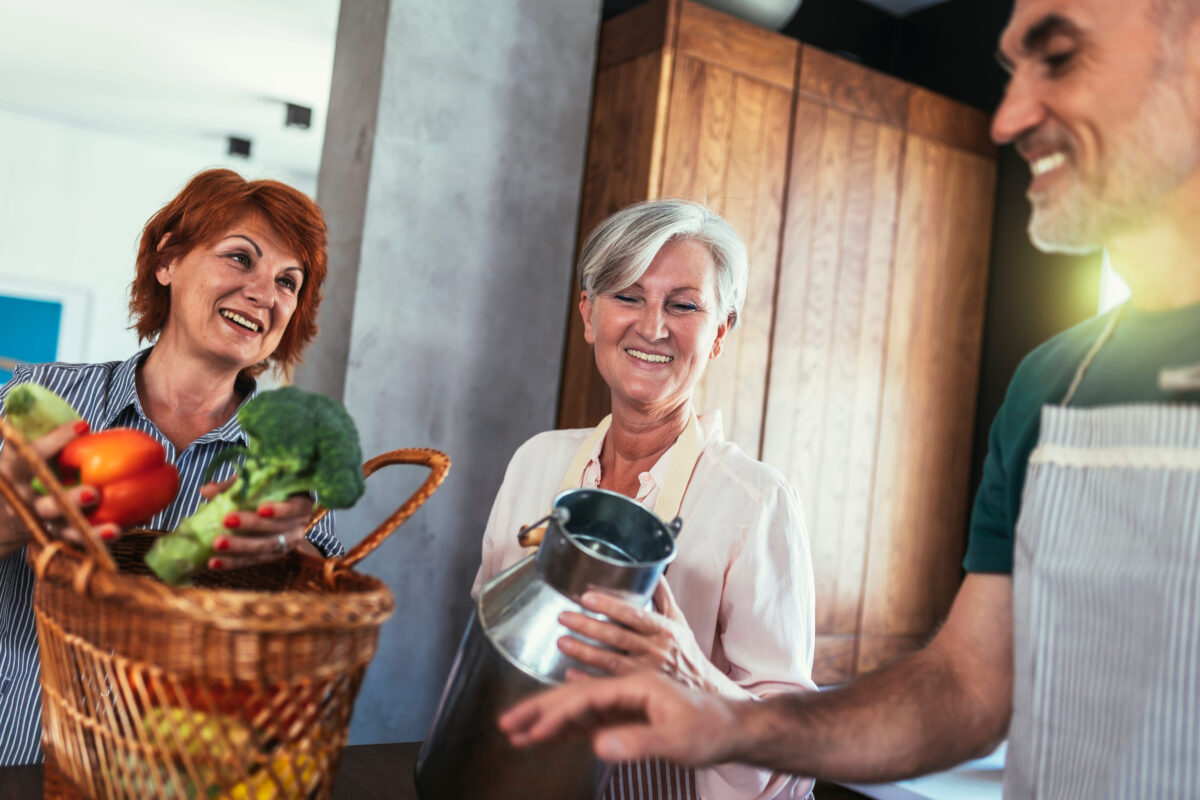
Grandma didn’t necessarily need a shopping app to know what was missing from the pantry. Tracking stored food was part of planning meals around what the household already had.
In fact, Oregon State College published a Canned and Stored Food Budget in 1933. The idea was simple: estimate how much food a household would need and plan preservation accordingly.
That’s a habit worth borrowing before the holidays arrive. Check your cupboards, refrigerator, and freezer before buying more groceries. You might discover three unopened bags of rice hiding behind the cereal, or enough frozen vegetables to skip a shopping trip.
A quick inventory helps prevent duplicate purchases and makes meal planning less of a guessing game.
Related: If You Remember These 10 Winter Chores, You Grew Up Before Modern Conveniences
Cleaning the Pantry and Storage Areas
Antoni Shkraba/Pexels
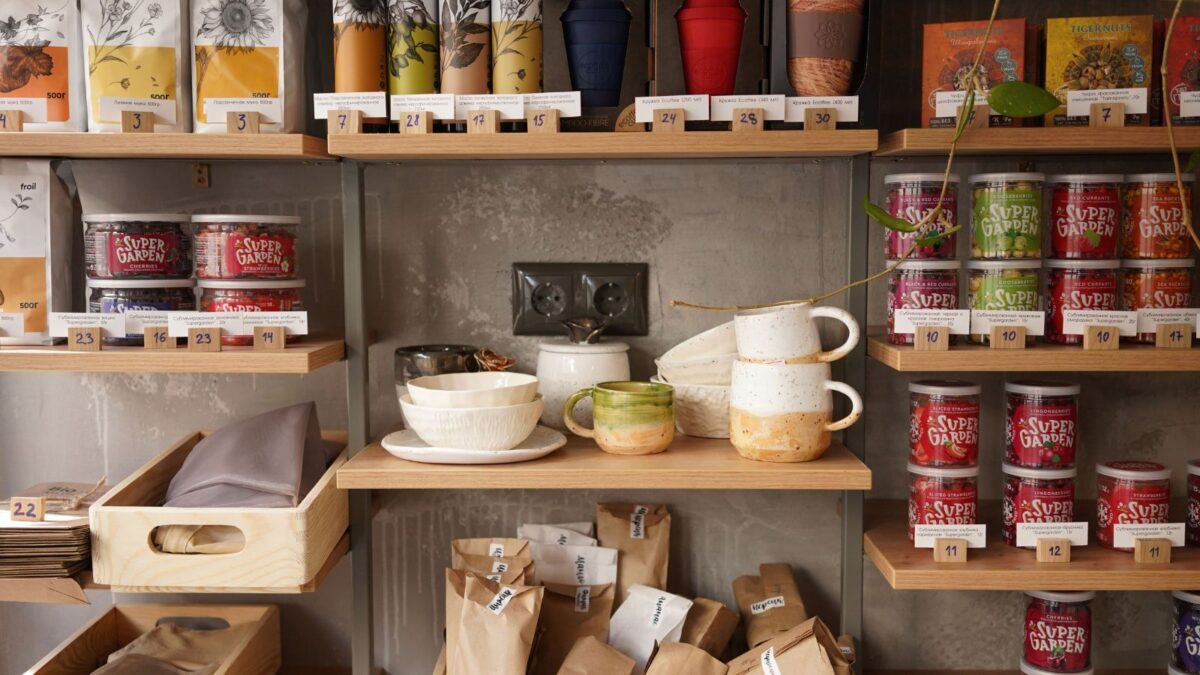
A messy pantry is annoying today, but for households storing large amounts of harvested food, keeping storage spaces clean had another purpose. Spoiled produce, pests, and unsuitable storage conditions could threaten supplies intended for winter meals.
A 1939 Texas agricultural extension bulletin advised households to prepare storage areas, consider ventilation, and regularly inspect stored produce. The instructions reflected a time when some families relied on cellars, crates, and other storage spaces instead of modern refrigeration.
You don’t need a farmhouse cellar to appreciate the lesson. Pull everything off a pantry shelf, wipe away spills, inspect packages, and throw out anything spoiled or infested.
Then move older products to the front so you use them first. This ordinary housekeeping task can make cooking easier for weeks afterward.
Related: 11 Things Every Grandma’s House Had That You’ll Never See Again
Sorting Potatoes, Onions, and Other Keeping Vegetables
Not everything from the garden belonged in a canning jar. Some vegetables could stay fresh for extended periods when families chose suitable crops and stored them under the right conditions.
Historical extension guides described ways to keep potatoes, onions, pumpkins, squash, and certain root vegetables. The trick was understanding that different crops needed different storage environments.
This is one place where Grandma’s practical knowledge still comes in handy. According to the University of Minnesota Extension, vegetables have different temperature and humidity requirements.
Before winter, inspect your stored produce and separate anything damaged or deteriorating. And don’t assume that tossing every vegetable into one cool corner will keep everything fresh.
Drying Fruits and Other Seasonal Produce
Long before countertop dehydrators became popular, households dried produce to preserve seasonal foods. It offered an alternative to filling more jars or relying entirely on fresh storage.
The 1940 Oregon preservation manual included instructions for drying fruits and vegetables, along with information about homemade drying equipment. Earlier USDA guidance even suggested using dried foods early in winter while saving canned supplies for later.
Imagine opening a container of dried apples when fresh local apples were no longer available. That’s a little taste of harvest season without needing an entire basket of fresh fruit.
Modern electric dehydrators offer more control. However, outdoor drying depends heavily on weather and the food involved, so current preservation guidance matters more than inherited shortcuts.
Turning Cabbage Into Sauerkraut
In some old-fashioned kitchens, a big cabbage harvest meant one thing: it was time to prepare sauerkraut.
Fermenting vegetables was a documented preservation practice, though not every American household did it. USDA publications discussed sauerkraut and fermented cucumber pickles, while the 1940 Oregon preservation guide included salting and fermentation methods.
There’s something wonderfully satisfying about turning an ordinary vegetable into something with an entirely different flavor. And unlike canning, fermentation relies on a carefully managed process involving salt, temperature, and time.
If you’re interested in trying it today, use a tested recipe. The National Center for Home Food Preservation provides specific instructions because changing salt proportions or fermentation conditions can affect the finished product.
Making Sure the Kitchen Had Enough Firewood
Here’s one kitchen job that may sound completely unfamiliar if you’ve only cooked on gas or electric stoves.
In households that still depended on wood-burning ranges, keeping fuel on hand was essential to everyday cooking. Winter made that responsibility especially important, particularly when harsh weather complicated outdoor chores.
Historical kitchen interpretations from the National Park Service show that children could even be assigned to fill the kitchen wood box. Grandma wasn’t necessarily doing every job herself.
Most modern kitchens can happily skip this chore. But households using wood-burning equipment can take the broader lesson seriously by arranging fuel supplies and having the appliance and venting system professionally inspected.
Freezing Produce for the Colder Months
It’s easy to imagine every grandmother living in a world without freezers, but that picture leaves out an important part of American kitchen history.
By the mid-twentieth century, freezing had become another documented method of preserving seasonal foods. Washington State Extension published guidance on freezing farm products in 1940, and the USDA issued a home-freezing guide in 1957.
For families with access to suitable equipment, freezing offered another way to put harvested foods aside for later meals.
The modern version is wonderfully straightforward: check what needs using, prepare vegetables properly, label packages, and organize your freezer before it