8 Grocery Store Purchases That May Be Costing You More Than You Think
Walking into a grocery store for a few essentials and leaving with a surprisingly expensive receipt has become a familiar experience for many American households. Between attractive packaging, convenient meal options, and promotions promising incredible savings, it’s easy to spend more than planned. Sometimes, the biggest problem isn’t what shoppers put in their carts, but what they fail to question before buying.
Not everything on supermarket shelves offers good value. Some everyday products carry extra charges for preparation, packaging, or convenience, even when cheaper alternatives sit just a few aisles away. Knowing which items deserve a second look could help shoppers stretch their grocery budgets without giving up the foods they enjoy.
Here are eight grocery store purchases worth reconsidering before heading to checkout.
Pre-Cut Fruits and Vegetables
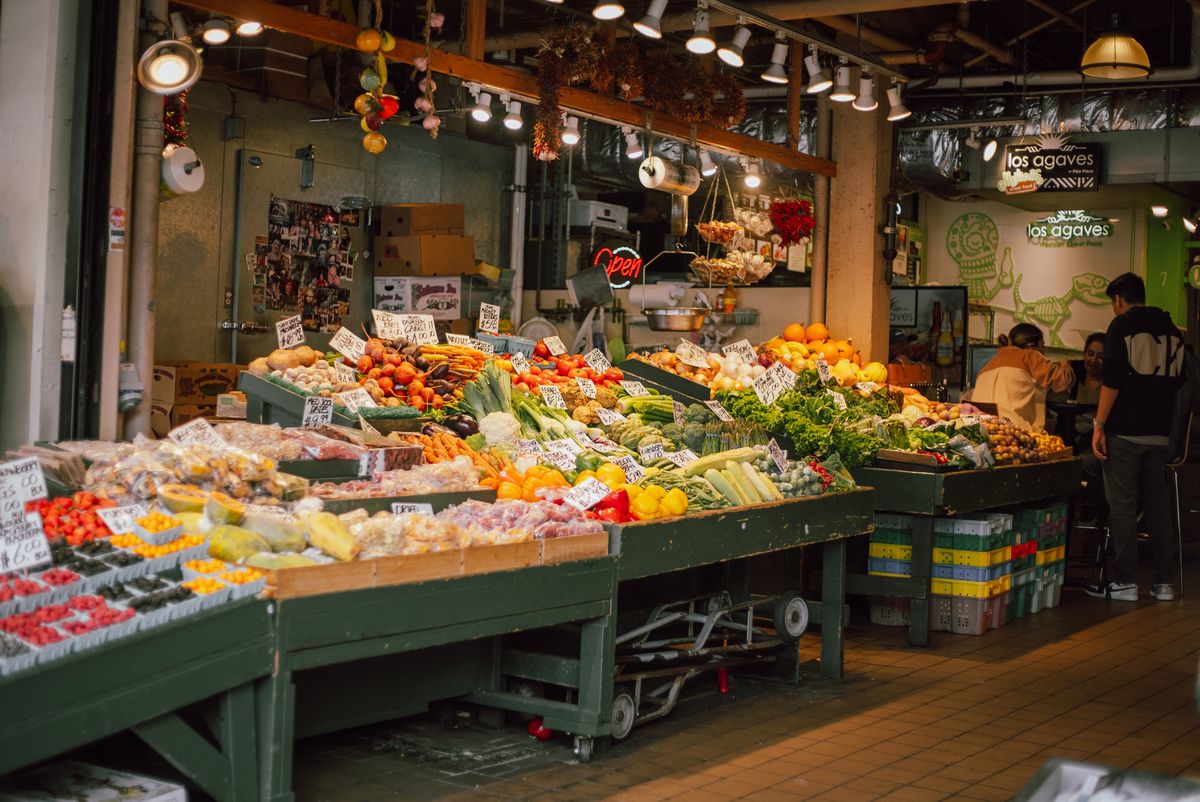
Those neatly arranged containers of watermelon cubes, pineapple chunks, and sliced vegetables look incredibly convenient. They eliminate peeling, chopping, and cleaning, making them especially appealing after a long workday. However, shoppers may end up paying considerably more for something they could prepare themselves.
Pre-cut produce requires extra handling, processing, and packaging, which can raise its retail price. Buying a whole pineapple or watermelon and cutting it at home may offer better value, depending on local prices and how much of the fruit you eat. Comparing the price per pound can help determine whether the convenience is worth the difference.
There is also a storage consideration. Consumers should buy pre-cut produce only when it is refrigerated or packed in ice. It also recommends keeping these products refrigerated at home.
For households that regularly prepare meals, buying whole produce and cutting it as needed can be a practical money-saving habit.
Bottled Water for Everyday Home Use
Bottled water is one of those purchases that can quietly become a recurring household expense. Picking up a case during every grocery trip might not seem particularly expensive, but the cost adds up over weeks and months. Households with access to safe drinking water may not need to buy disposable bottles regularly.
Tap water generally costs much less than individually packaged bottled water. A reusable bottle can also eliminate the need to purchase a new container every time someone wants a drink. If taste is the concern, a suitable household filter may be worth considering.
However, bottled water remains important in certain circumstances. Households facing unsafe drinking water, emergencies, or unreliable water supplies may need it. The goal isn’t to avoid bottled water in every situation, but to question whether routine purchases are necessary.
Before adding another case to your cart, consider whether a refillable bottle could serve the same purpose.
Related Post:10 Grocery Store Traps That Could Cost Shoppers Over 60 More Money
Pre-Shredded Cheese
Bags of shredded cheese have become a refrigerator staple because they make cooking incredibly easy. Whether you’re making tacos, homemade pizza, or a baked casserole, opening a bag takes almost no effort. That convenience, however, can come with a higher price per ounce.
Blocks of cheese are sometimes less expensive than their pre-shredded equivalents, particularly when shoppers compare products from the same brand and cheese variety. Shredding cheese at home requires only a grater and a few minutes of preparation. It also lets shoppers control shred size for different recipes.
Another consideration is how much cheese a household actually uses. Someone preparing several meals with cheddar might find a larger block economical, while an occasional cook may prefer a smaller bag. Buying a block that eventually goes unused defeats the purpose of saving money.
The smartest approach is to compare unit prices rather than assume either version is always cheaper.
Individually Packaged Snack Packs
Single-serving bags of crackers, cookies, pretzels, and other snacks are practically designed for busy households. They fit easily into lunchboxes, backpacks, and office drawers, making portioning convenient. Unfortunately, all those individual packages can sometimes make the overall purchase more expensive.
A large bag of pretzels may cost less per ounce than a box containing several smaller bags. The same principle can apply to crackers, cookies, and other shelf-stable snacks. Shoppers often pay for extra packaging and the convenience of having portions prepared in advance.
Instead, buy a larger package and divide it at home into reusable containers or smaller bags. This approach works especially well for families preparing lunches throughout the week. It also gives households flexibility when deciding how much to pack.
Individual packs can still make sense when portability or portion control matters most. The key is deciding whether convenience justifies the extra cost.
Expensive Name-Brand Pantry Staples
It’s tempting to reach for a familiar brand when shopping for flour, sugar, pasta, canned vegetables, or other basic pantry ingredients. Recognizable packaging can make a product feel like the obvious choice. However, shoppers sometimes overlook less expensive store-brand alternatives that may work just as well.
Private-label products are sold under retailers’ own brands and often compete directly with nationally advertised products. Their recipes, ingredients, and quality can differ, so don’t assume they’re identical. Still, comparing labels and trying a less expensive option can be worthwhile.
For instance, a household might find that its preferred pasta sauce is worth the extra money, while ordinary flour or canned tomatoes are not. Taste preferences and cooking needs should guide where paying more makes sense. Not every pantry staple needs to come from the same premium brand.
Try substituting one or two familiar products during your next shopping trip. You may discover an affordable alternative you can buy regularly.
Pre-Made Sandwiches and Grab-and-Go Lunches
The grocery store deli can feel like a lifesaver when hunger strikes during a busy afternoon. Refrigerated sandwiches, wraps, and prepared lunch boxes offer an immediate meal without cooking or cleanup. But buying these products frequently may cost more than assembling comparable lunches at home.
Consider a typical sandwich containing bread, sliced turkey, cheese, lettuce, and a condiment. Buying those ingredients separately may let a household make several sandwiches from the same supplies. This can be particularly economical when more than one person needs lunch during the week.
Of course, the calculation changes when ingredients spoil before they are used. Someone who rarely eats sandwiches might reasonably prefer one prepared lunch over buying several packages. Convenience also has genuine value for people with demanding schedules.
For regular lunch preparation, however, it’s worth comparing deli prices with buying ingredients and assembling meals at home.
Small Containers of Spices and Seasonings
Spices can make ordinary meals more interesting, but those tiny jars can cost surprisingly much. A shopper might need only a little paprika, garlic powder, or cinnamon for a particular recipe. Repeatedly buying small containers can get expensive, especially for frequently used ingredients.
Larger packages or bulk spice sections may offer a lower price per ounce, although availability varies by store. Households that cook regularly can compare these options before replacing everyday seasonings. The savings potential is greater when you use an ingredient consistently.
However, buying enormous quantities is not always sensible. Ground spices gradually lose flavor and aroma during storage, making oversized containers impractical for occasional cooks. A smaller jar may provide better value if the alternative sits untouched for years.
Consider how often you use each seasoning before choosing a package size. Buying only what you can reasonably use is often more economical than automatically selecting the largest container.
Bulk Deals You Don’t Actually Need
Few grocery store promotions are as tempting as a large package advertised at a seemingly unbeatable price. Warehouse-style displays, family-size containers, and multipack promotions can make shoppers feel they’re missing an opportunity. But buying more doesn’t automatically mean spending less.
In October 2026, Consumer Reports emphasized the importance of unit pricing when comparing grocery purchases. Checking the price per ounce, pound, or other standard measure helps shoppers compare packages more accurately. A larger package isn’t necessarily the better deal, particularly when smaller products are discounted.
Food waste is another important consideration. A household that buys more fresh produce, dairy products, or bread than it can consume may end up throwing away part of its purchase. Even an attractive bulk discount loses value when the extra food goes unused.
Before buying a family-size package, check its unit price, storage requirements, and expiration information. Then ask whether your household will realistically use it all.
The Best Grocery Savings Start Before Checkout
Saving money at the grocery store doesn’t require abandoning favorite foods or avoiding every convenience product. It requires paying attention to what you’re getting for the price and recognizing when preparation or packaging adds unnecessary expense. Sometimes, spending slightly more on convenience can still be the right decision for a particular household.
Grocery price differences across food categories and geographic areas show why shopping costs vary by location. A bargain at one supermarket may be more expensive at another, and promotions can change the math. Comparing alternatives remains more reliable than following rigid shopping rules.
Ultimately, the eight items on this list aren’t products everyone must avoid. They’re purchases worth questioning before they become automatic habits, because small, thoughtful decisions during an ordinary grocery trip can make a meaningful difference over time.
Posts You Might Like: