5 Regional American Foods You Might Never Have Tried
America has plenty of famous foods, but some of its most interesting dishes are better known in their hometowns than anywhere else. You might recognize a Philly cheesesteak or a Chicago-style hot dog, but have you ever heard of chislic, goetta, or a St. Paul sandwich?
These regional specialties tell stories about immigrant communities, local traditions, and ingredients that became part of everyday cooking. Some have been enjoyed for generations, while others are gaining attention beyond the places where they became popular. From an unusual sandwich in Missouri to a towering cake from Maryland, here are five American foods worth discovering.
St. Paul Sandwich
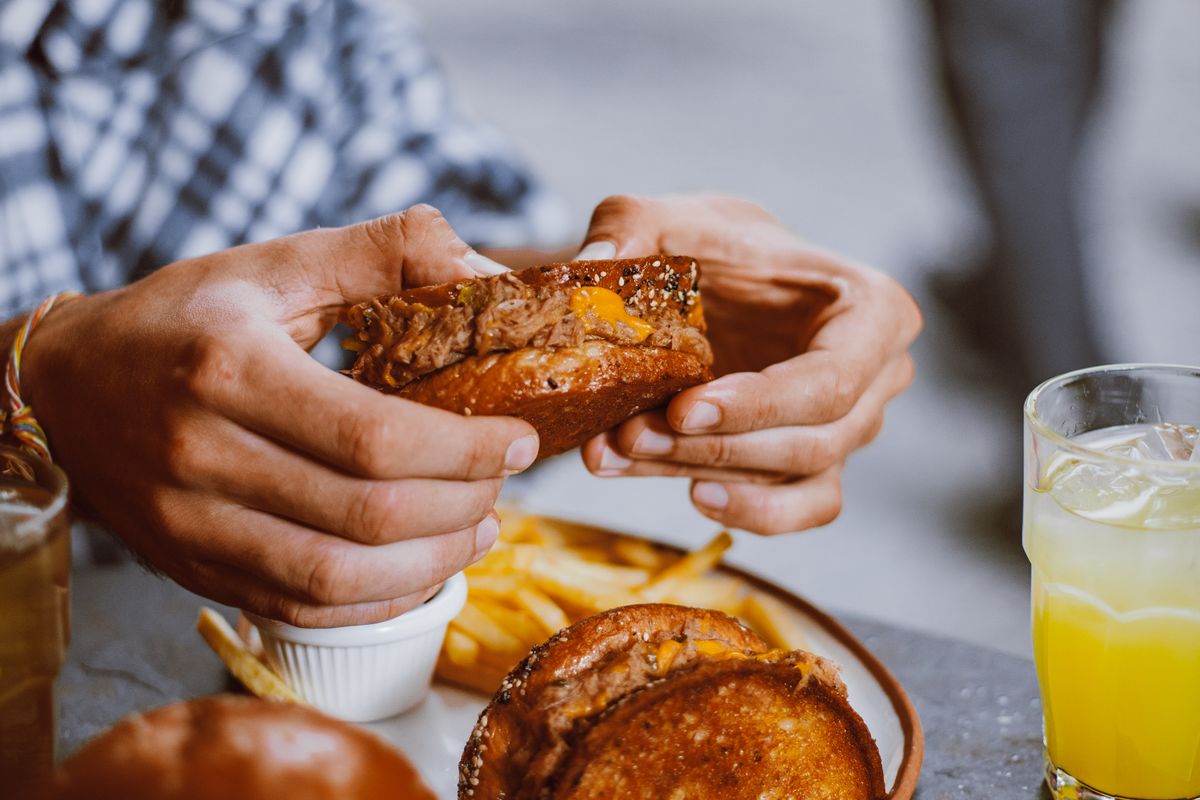
Despite its name, the St. Paul sandwich is a St. Louis, Missouri, specialty, not a St. Paul, Minnesota, one. Its centerpiece is an egg foo young patty served between slices of soft white bread with mayonnaise, lettuce, tomato, and pickles. The patty commonly contains eggs, bean sprouts, onions, and a choice of meat or seafood. Local restaurants offer variations with shrimp, beef, and barbecue pork. The result is an interesting combination of a warm, slightly crisp egg patty and cool, familiar sandwich toppings.
The sandwich became closely associated with St. Louis Chinese American restaurants during the twentieth century. Its exact origin remains uncertain, although one local account credits Steven Yuen of Park Chop Suey with creating it in the 1940s. That story has never been conclusively verified. The sandwich’s significance lies in its place in local food culture. Families and restaurant owners have helped preserve it, including the Tran family, whose restaurant history includes serving St. Paul sandwiches at China Wall in 1982 and later at Mai Lee. For anyone interested in trying one, it is a documented local option. Its menu includes the sandwich, continuing a long-standing restaurant tradition.
Related Post: 7 American Foods Only Locals Know About
Chislic: Southeastern South Dakota
In southeastern South Dakota, a plate of fried meat cubes served with saltine crackers has a special name: chislic. Traditionally made with lamb or mutton, the meat is cut into small pieces, skewered, deep-fried, and seasoned with garlic salt. The dish is especially connected to the area around Freeman, South Dakota. Its traditional heartland is sometimes called the Chislic Circle, a roughly 30 mile radius around the community. According to Heritage Hall Museum & Archives, chislic developed from meat-skewer traditions brought by Germans who migrated from the Russian Empire during the late nineteenth century. The exact person who introduced the dish has never been firmly established.
Over time, cooks developed their own versions. Some restaurants use beef, venison, or goat, while others serve the meat grilled or without skewers. Traditionalists, however, continue to favor lamb or mutton prepared in the familiar fried style. Chislic is such an important part of South Dakota’s food identity that the state officially designated it the state nosh in 2018. The recognition also helped bring attention to a specialty that had once been unfamiliar even to some residents elsewhere in the state. Travelers interested in experiencing the traditional version can visit near Freeman, where lamb and mutton chislic have been documented on the menu.
Cincinnati, Ohio
Cincinnati has a breakfast specialty that might surprise anyone expecting ordinary sausage or bacon. Called goetta, pronounced approximately “GET-uh,” it combines meat, steel-cut oats, onions, and seasonings into a mixture that cooks, chills, slices, and fries. Traditional versions commonly use pork and beef, though recipes vary by household and producer. Once the mixture cools and sets, cooks slice it and fry it until the outside crisps while the interior stays soft. Goetta developed within Cincinnati’s German American food traditions. Food historian Dan Woellert connects it to grain-and-meat preparations associated with immigrants from Westphalia. The dish eventually became closely tied to the region’s meatpacking and butcher-shop culture.
The contrast between its crispy exterior and soft, oat-filled center helps distinguish goetta from more familiar breakfast meats. It is commonly served alongside eggs and toast, but Cincinnati restaurants have also developed creative variations. Some serve goetta in breakfast sandwiches, while others incorporate it into dishes such as egg rolls and chili combinations. The region even celebrates the specialty through Goettafest in Newport, Kentucky. One established place to find it is at Cincinnati’s Findlay Market. The family business has helped preserve the local tradition, though it didn’t invent the dish.
Minorcan Clam Chowder
When Americans think about clam chowder, they often picture the creamy New England version or the tomato-based Manhattan style. However, St. Augustine, Florida, has another variation worth noting. Minorcan clam chowder is a tomato-based soup made with clams, potatoes, onions, and seasonings. Its defining ingredient is datil pepper, which adds a distinctive fruity heat that sets it apart from other familiar chowders. The dish is closely connected to the Minorcan community of northeastern Florida. Its cultural roots trace back to descendants of Mediterranean workers who arrived in the region in the late eighteenth century.
Although local traditions connect datil peppers with Minorcan settlers, the exact story of how the peppers reached Florida remains uncertain. What is firmly established is their importance in St. Augustine’s food culture. Minorcan clam chowder also strongly connects to community gatherings. The St. Ambrose Catholic Church fair has long been associated with large-batch chowder preparation, helping preserve the dish as part of a continuing local tradition. For visitors who want to taste the soup, in St. Augustine lists homemade Minorcan clam chowder on its menu. The restaurant has operated since 1965 and has been recognized in regional food reporting for serving the specialty.
Smith Island Cake
If you think an ordinary layer cake looks impressive, Smith Island cake takes the idea much further. This Maryland specialty features numerous thin cake layers stacked with frosting between each one. A traditional version combines yellow cake with rich chocolate fudge frosting. Many examples feature eight to ten layers, though the exact number and flavors can vary by baker. The cake comes from Smith Island in Maryland’s Chesapeake Bay, where generations of home bakers helped maintain the tradition. Its exact origin is uncertain, and researchers have not identified a single definitive inventor.
What is clear is how important the dessert became to the surrounding community. Smith Island cake has been associated with weddings, church gatherings, family celebrations, and everyday occasions. In 2008, Maryland officially designated Smith Island cake as its state dessert. The recognition brought broader attention to the specialty and created opportunities for bakers to sell their cakes beyond the island. Today, visitors can find traditional versions in Ewell, Maryland. The bakery also offers shipping, letting customers outside the Chesapeake region enjoy the dessert. These five foods show the variety in American cooking. A sandwich, fried meat snack, breakfast specialty, spicy chowder, and layered cake might seem unrelated, but each has become closely connected to the place that helped make it famous. And while these dishes are no longer known only to locals, their hometown stories still make them worth trying.