Move Over, Cider Donuts: New England’s Apple Cider Jelly Packs Fall Into a Jar
Apple cider jelly deserves attention for one simple reason: it delivers concentrated apple flavor without a crust, a fryer, or a cinnamon-sugar coating. In its traditional New England form, fresh cider is boiled down until the apples’ sugar, acid, and pectin create a spreadable jelly. The result can be sweet-tart rather than merely sweet, with uses that reach beyond breakfast toast to cheese plates, baking and savory cooking.
This is not necessarily the familiar apple jelly made with added sugar and commercial pectin. At Vermont’s Wood’s Cider Mill, the ingredient is simply concentrated apple cider. The distinction matters because products and recipes bearing similar names can follow different formulas. This tradition is compelling because reducing one ingredient concentrates flavor and preserves regional history.
The Secret Is What Leaves the Pot
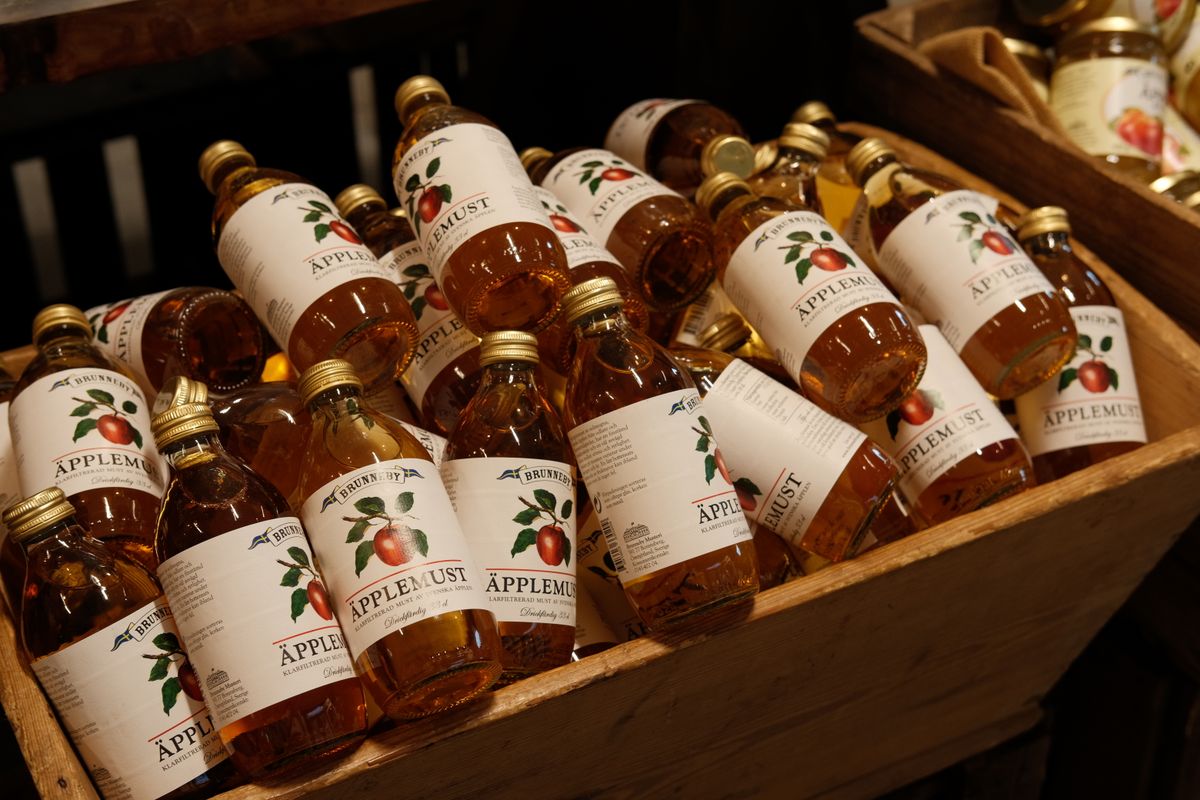
Making traditional cider jelly is an exercise in removing water. Wood’s Cider Mill describes reducing approximately nine parts fresh cider to one part jelly. That means most of the original volume disappears as steam, leaving the apple’s components concentrated behind. The right apples, harvested at the right stage of maturity, contain enough sugar, acid and pectin to set without added sugar or pectin, according to the producer.
Its close relative, boiled cider, stops short of that spreadable consistency. Willis Wood explained the difference in an interview published by The Savory Pantry: “Sweet cider, evaporated about 7 to 1, makes boiled cider. Evaporating it a bit more, about 9 to 1, makes cider jelly.” Those are useful descriptions of his process, not universal instructions guaranteeing that any cider will set after an exact reduction. The apples and their maturity still matter.
Remember the distinction when shopping. Boiled cider is pourable and useful as an ingredient or topping; cider jelly is thicker and spreadable. Neither should be confused with hard cider or apple cider vinegar. Slow Food’s account specifies that both traditional products begin with fresh, unfermented cider. The process concentrates the fruit rather than relying on fermentation to create a different drink or condiment.
Wood says the flavor surprises people expecting a conventional sweet spread. “With cider jelly, the tartness and the flavor precede the sugar,”he told The Savory Pantry. That is the producer’s tasting description, not an independent verdict on every jar. Still, it explains the appeal of concentration: the point is not simply to make apples sweeter, but to preserve a more intense expression of their sweet-and-tart character.
Related: Apple Fritters Are Back, and Your Kitchen Is About to Smell Like Fall’s Best Bakery
A Pantry Staple With Deep New England Roots
Before refrigeration, reducing cider preserved part of the apple harvest. Slow Food traces boiled cider and cider jelly to New England’s early farm and homestead traditions following European settlement and the introduction of cultivated apples. Boiled cider was also called “apple molasses,” a name that reflects its usefulness as a concentrated sweetening ingredient rather than a beverage meant to be poured by the glass.
These products did more than flavor toast or desserts. Their naturally high pectin content made them useful in other jams, preserves, and jellies before commercial pectin became available. That gives cider jelly a practical place in the older pantry: it could carry apple flavor into another preparation while helping it set. Its value was not limited to being the final thing spooned from a jar.
The tradition became less common as inexpensive cane sugar and newer preservation methods changed household cooking and commercial production. Some cider mills closed or shifted toward other products. Slow Food includes boiled cider and cider jelly in its Ark of Taste, a catalog intended to draw attention to distinctive foods at risk of disappearing. That recognition does not mean nobody makes them; it signals that their continued production cannot be taken for granted.
The Wood family offers a particularly clear example of continuity. Vermont’s Seven Days reports the family’s cider-making operation datesback to 1882. In that 2023 account, Willis and Tina Wood, joined by their daughter Marina Wood-McNaughton, were pressing local apples and cooking cider in an evaporator also used for maple sugaring. The overlap makes sense: both processes remove substantial amounts of water to create a more concentrated product.
Give It a Job Beyond the Breakfast Table
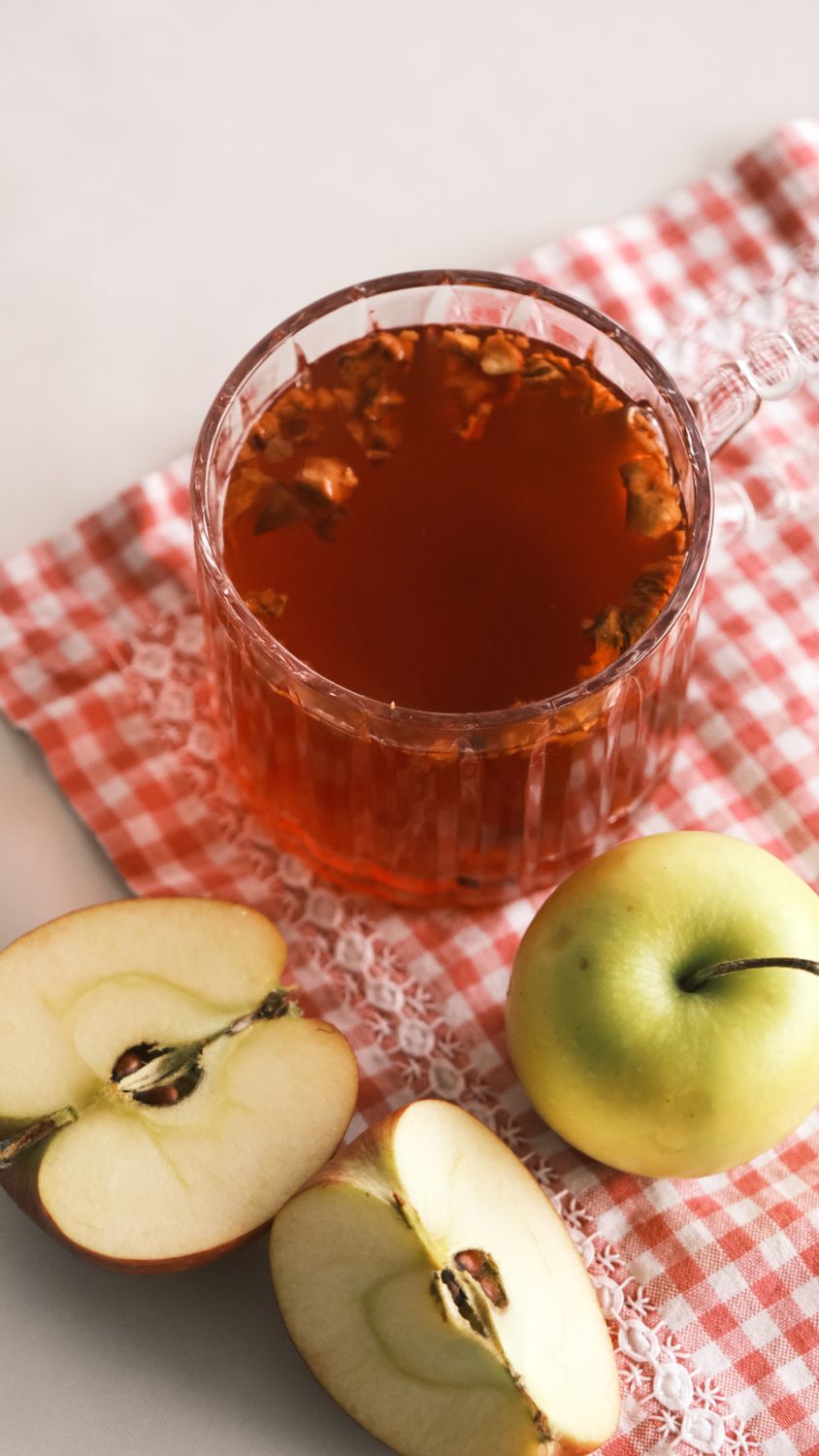
Toast is an obvious introduction, but cider jelly’s sharper flavor makes it worth trying with cheese. Wood explicitly recommends that pairing, describing the product as something that moves beyond “a morning spread.” Start with a modest amount alongside a cheese you already enjoy and decide how the flavors work together. There is no need to claim one universally perfect cheese pairing when personal preference and the particular jar will influence the result.
Ice cream offers another low-effort way to explore it. A small spoonful can provide an apple-flavored contrast to a familiar frozen dessert, and Wood also mentions it as another serving idea. This is a suggestion, not a tested topping recipe with fixed proportions. Begin sparingly: a product reduced so dramatically is intended to deliver concentrated flavor, not necessarily to be used in the same volume as a thin fruit sauce.
Traditional New England cooks also used cider jelly and boiled cider in baking and cooking. If a recipe specifies one, however, do not assume the other is a one-for-one replacement: a pourable syrup and a set jelly have different consistencies. Likewise, a reduced-cider tradition is not, by itself, a complete home-canning method. Anyone making a batch for shelf-stable storage needs tested preservation instructions, not an improvised boiling ratio.
For shoppers, the most useful step is reading the ingredient list. A jar made solely from reduced cider differs from an apple jelly recipe with several cups of added sugar and packaged pectin; both can be enjoyable, but they shouldn’t be presented as identical. Traditional cider jelly earns its place beside apple pies and cider donuts by offering something distinct: an old preservation method, a remarkably short ingredient list, and enough concentrated apple character to deserve more than one assignment in the kitchen.