Top Property Maintenance Issues That Cost Landlords the Most in 2026 and How We Stay Ahead
Property maintenance rarely fails quietly. One moment, everything runs smoothly; the next, an air conditioner stops during a heatwave or a toilet overflows at midnight. For landlords and property managers, these disruptions are not just inconvenient. They directly affect tenant satisfaction, retention rates, and long-term property value.
Across rental housing, certain problems recur. HVAC failures, plumbing issues, broken doors, faulty appliances, and electrical concerns dominate maintenance requests. These issues may look simple on the surface, but they often signal deeper system wear that needs structured management rather than quick fixes.
We approach property maintenance as a continuous cycle, not a reaction. The most common issues are predictable, which means they can be controlled through better planning, faster response systems, and preventive strategies that reduce emergency costs.
Air Conditioning and Heating Failures Push Properties Into Emergency Mode
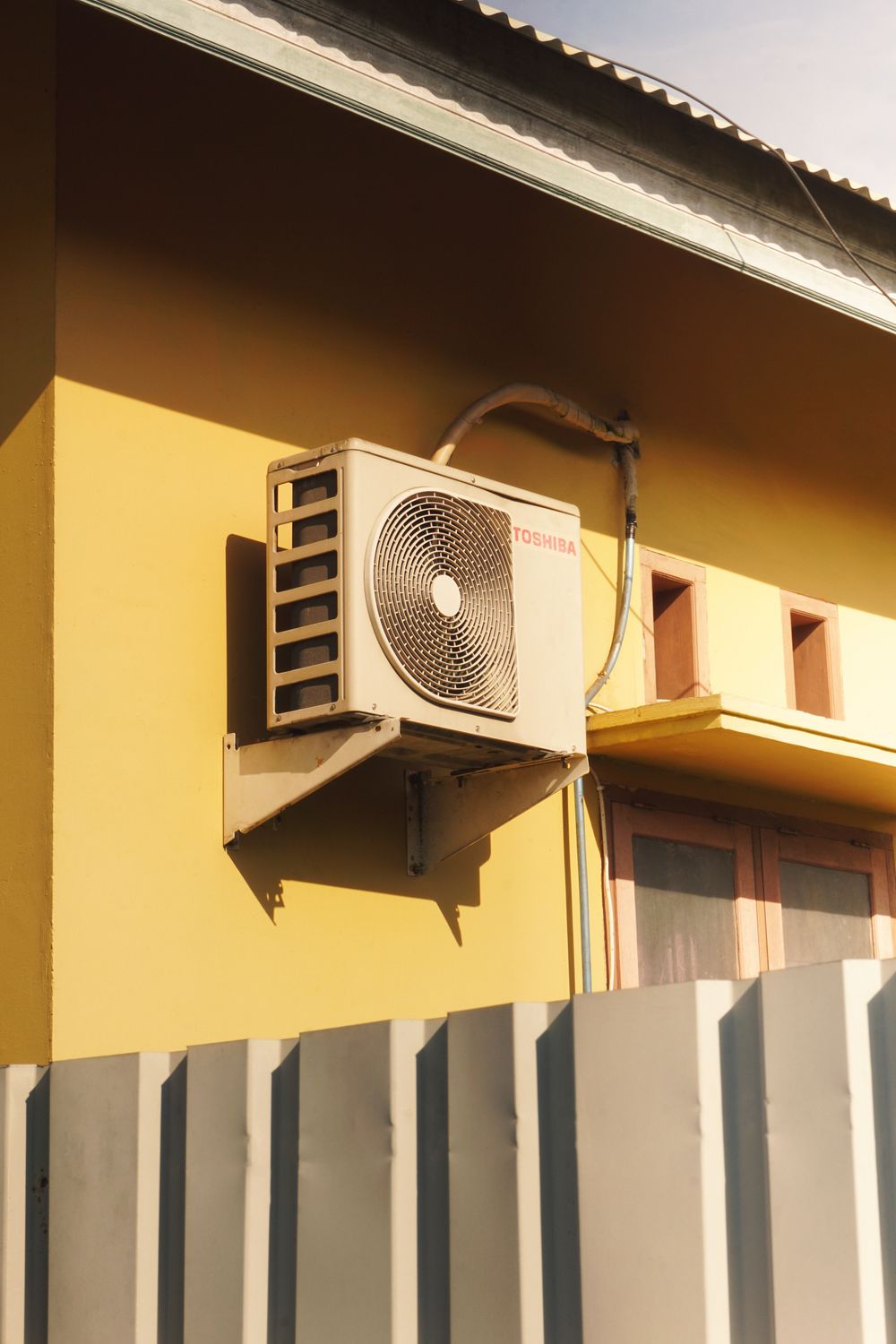
HVCA systems remain the most frequent and urgent maintenance challenge in rental properties. When temperatures spike or drop suddenly, heating and cooling failures turn into immediate emergencies. Residents expect a fast resolution because indoor comfort quickly becomes a safety concern.
Air conditioning breakdowns often happen during peak summer demand. Systems overwork, filters clog, refrigerant levels drop, and older units struggle to keep up. Heating systems face similar pressure in colder months when consistent performance is essential for livability.
We reduce HVAC emergencies by focusing on prevention instead of reaction. Seasonal servicing, filter replacement schedules, and early system replacement planning help avoid sudden breakdowns. Tracking system age and repair history allows us to anticipate failure before it happens.
Door and Lock Issues Quickly Escalate Into Security Concerns
Door problems may seem minor at first, but they directly impact safety and resident trust. A broken lock or misaligned door creates frustration instantly because it affects both access and security.
Common issues include jammed locks, loose hinges, warped frames, and faulty handles. Weather changes and repeated use often worsen these conditions over time, especially in exterior doors exposed to moisture and temperature shifts.
We treat door repairs as priority tasks because they influence how secure a tenant feels in their home. Having locksmiths and general repair specialists on standby ensures that access issues are resolved quickly and professionally.
Toilet and Plumbing Failures Remain the Most Disruptive Daily Issue
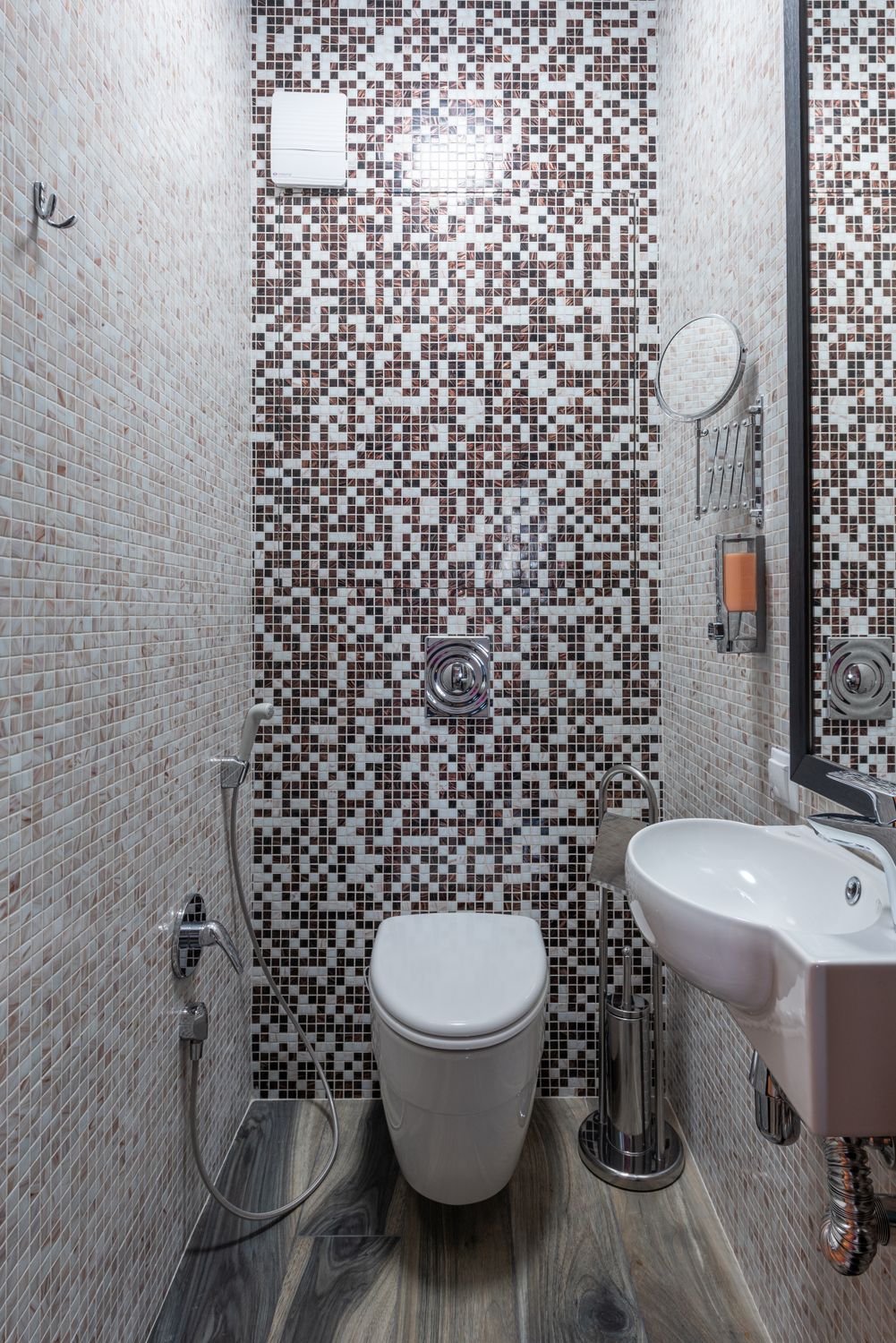
Toilet problems are among the most urgent maintenance requests because they affect basic hygiene. A running toilet may seem harmless at first, but leaks and clogs can quickly escalate into water damage and sanitation concerns.
Typical issues include clogs, constant running water, weak flushing, and leaks at the base. In multi-unit buildings, plumbing problems can spread beyond a single unit if drainage systems are shared or interconnected.
We prioritize plumbing issues immediately because delays increase repair costs. Water damage spreads fast into flooring, drywall, and substructures. Fast response is not optional. It is essential to protect the property.
Sinks and Hidden Leaks Create Silent Structural Damage
Sink issues often begin quietly. A slow drip under a cabinet or a minor leak in a pipe may go unnoticed for weeks. By the time damage becomes visible, the repair cost has already increased significantly.
Problems typically involve clogged drains, leaking faucets, worn seals, or loose connections. Kitchen sinks also face grease buildup, while bathroom sinks often suffer from soap and hair blockages.
We focus heavily on early detection. Regular inspections and resident reporting systems help identify leaks before they spread into cabinetry or flooring. Quick action prevents long-term structural damage and mold risks.
Bathtub and Shower Problems Spread Water Damage Behind Walls
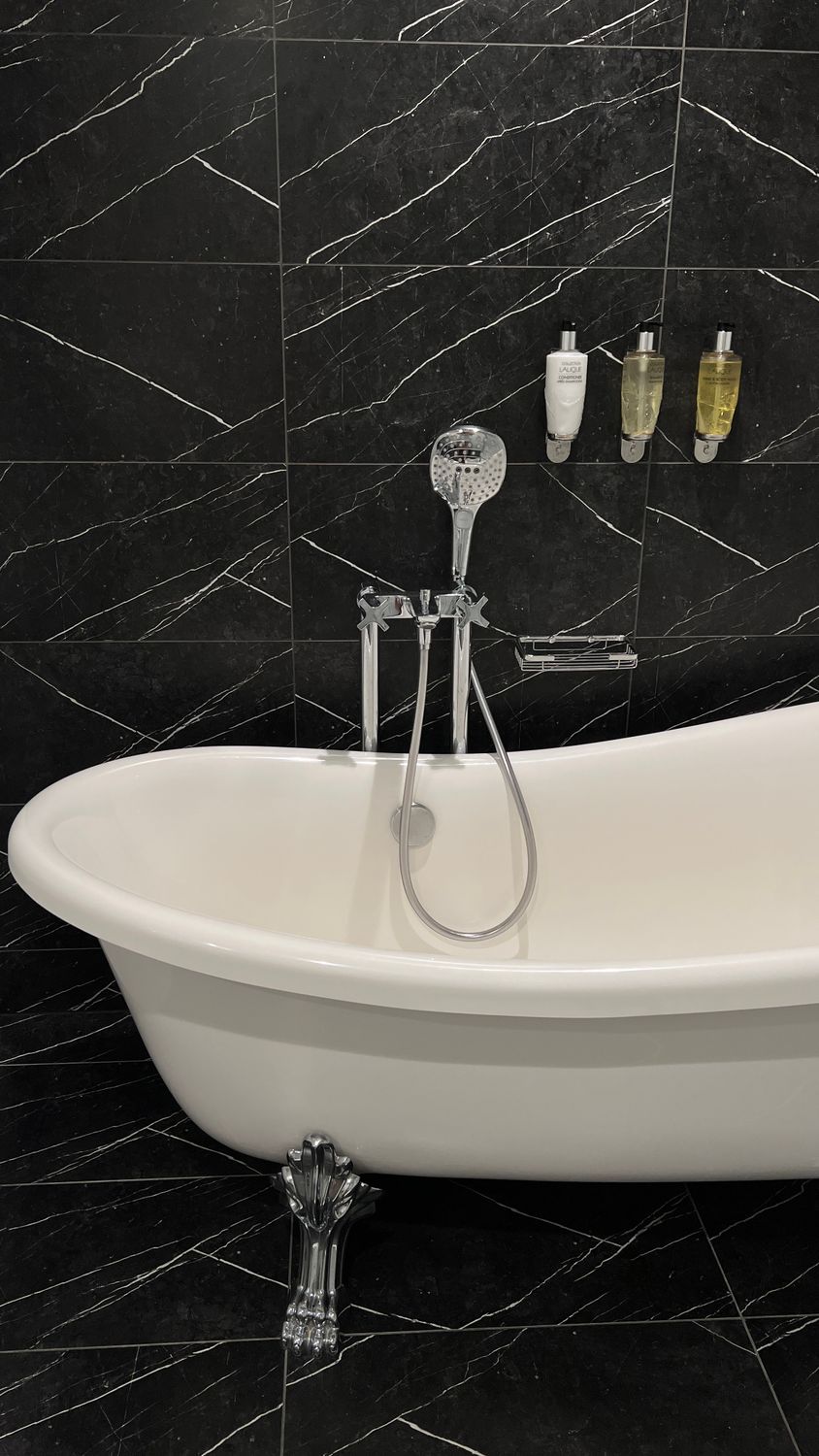
Bathroom fixtures are one of the highest-risk areas in any property. Bathtubs and showers involve constant water exposure, which means even small defects can lead to major hidden damage.
Common issues include cracked caulking, slow drainage, leaking fixtures, and damaged tiles. When seals fail, water often seeps behind walls or under flooring without immediate visibility.
We address bathroom maintenance as both a plumbing and structural issue. Repairs must include sealing, drainage checks, and moisture inspection. Fixing only the visible issue often leads to repeated damage later.
Drain Blockages Signal Larger Plumbing System Problems
Drain issues are often underestimated because they begin gradually. Slow drainage, bubbling sounds, and mild odors are early warning signs that a blockage is forming.
Causes include grease buildup, hair accumulation, soap residue, and foreign objects. In older buildings, tree roots and pipe corrosion can also restrict flow and increase system pressure.
We treat recurring drain issues as system alerts rather than isolated incidents. Repeated blockages usually indicate deeper infrastructure problems that require professional inspection and long-term solutions.
Refrigerator Failures Lead to Immediate Tenant Complaints
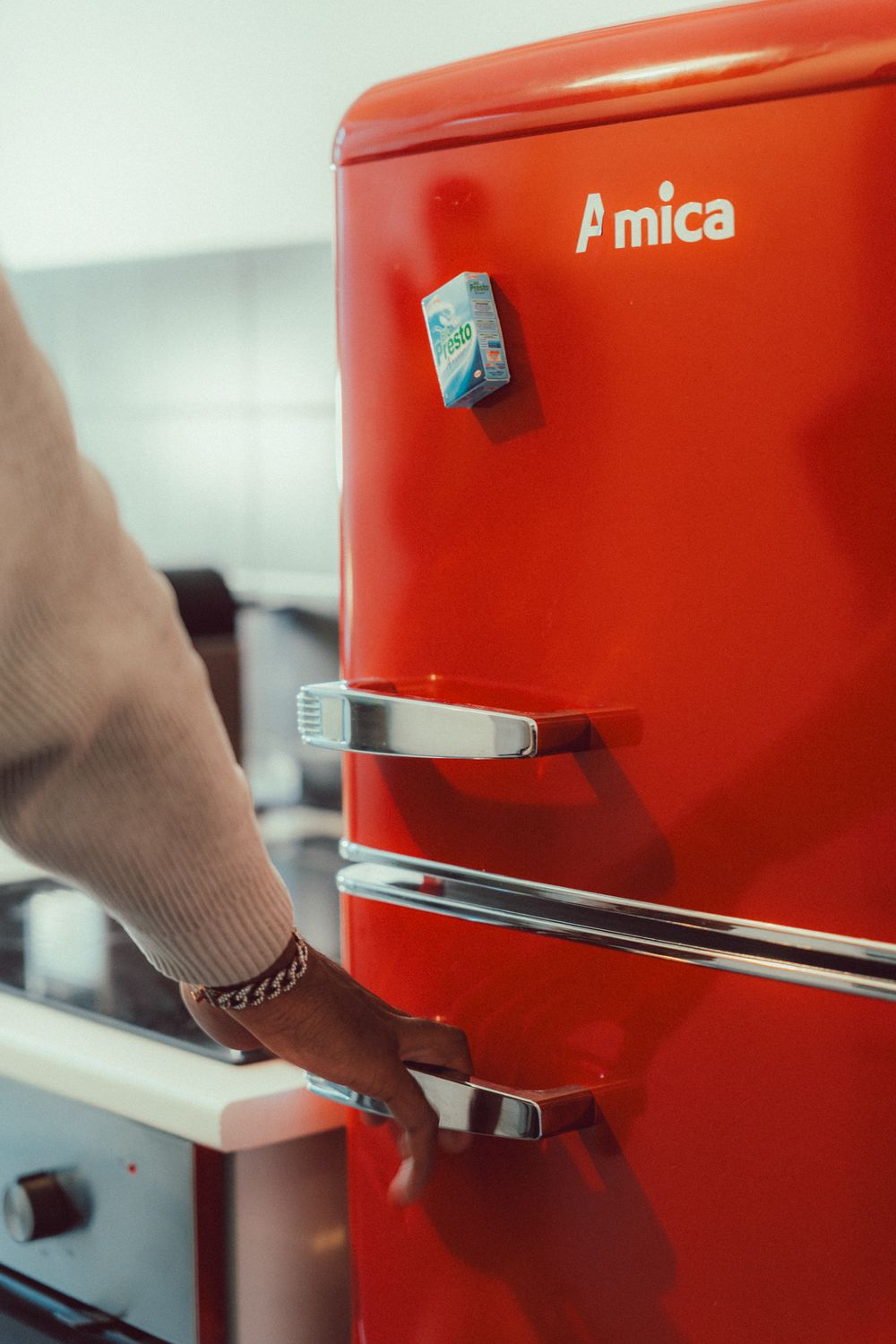
Few appliance issues create as much urgency as a broken refrigerator. Food spoilage creates financial loss for tenants and increases pressure on property managers to respond quickly.
Common refrigerator problems include cooling failure, thermostat issues, broken seals, and compressor malfunctions. In many cases, repair costs can approach the unit’s replacement value, especially as the unit ages.
We maintain detailed appliance records to guide faster decisions. Knowing when to repair or replace helps avoid repeated service calls and reduces tenant dissatisfaction.
Lighting Issues Affect Safety and Property Perception
Lighting failures can affect both interior comfort and exterior safety. A single broken fixture in a hallway or parking area can change how secure a property feels.
Typical problems include flickering bulbs, faulty wiring, broken switches, and power interruptions. While some issues are simple fixes, electrical faults require licensed professionals.
We prioritize lighting maintenance in shared and outdoor spaces because visibility directly affects safety. Regular inspections help prevent outages and reduce resident complaints.
Garbage Disposal Problems Disrupt Kitchen Functionality Fast
Garbage disposals are convenient but prone to misuse. When they fail, kitchen routines are disrupted immediately.
Common issues include jams, motor failure, leaks, and unpleasant odors. Food waste buildup and improper usage are often the root cause of repeated breakdowns.
We reduce disposal failures by providing clear usage guidelines to tenants. Preventive education combined with routine checks helps extend appliance life and reduce repair frequency.
Most Maintenance Issues Are Water-Related and Require Fast Action
A large portion of maintenance requests involves water systems. Plumbing-related failures appear across toilets, sinks, showers, bathtubs, and drains, making water management the most critical area of property maintenance.
of a building, including flooring, drywall, insulation, and cabinetry. In multi-unit properties, one leak can also impact neighboring units.
We respond to water issues as urgent by default. Fast isolation, repair coordination, and follow-up inspections help prevent costly structural damage and tenant disruption.
Preventive Maintenance Reduces Emergency Costs and Stress
Emergency repairs often result from missed warning signs. Preventive maintenance helps reduce unexpected breakdowns and improve long-term property performance.
Regular HVAC servicing, plumbing inspections, appliance checks, and door adjustments create stability across all major systems. Tracking equipment age and performance allows for smarter replacement planning.
We treat preventive maintenance as a financial strategy. Fewer emergencies mean lower repair costs, fewer tenant complaints, and longer asset lifespan.
Smarter Maintenance Systems Improve Tenant Retention
Maintenance performance directly affects tenant satisfaction. Fast responses, clear communication, and consistent follow-up build trust and reduce turnover.
We rely on structured workflows that track every request from reporting to completion. Prioritizing urgent issues, assigning the right vendors, and documenting repairs ensures accountability at every stage.
When maintenance is managed properly, properties run more smoothly, tenants stay longer, and operational costs remain under control.
Perspective on Modern Property Maintenance
Property maintenance is no longer just about fixing what breaks. It is about predicting failures, managing systems, and protecting long-term value. The most common issues will always exist, but their impact depends entirely on how well they are managed.
We succeed when maintenance becomes proactive rather than reactive. With better systems, stronger vendor networks, and faster communication, even the most disruptive problems can be handled efficiently and professionally.