Give Hot Pasta the Night Off. These Ginger Sesame Noodles Bring the Crunch
Dinner does not always need to arrive in a cloud of steam. A bowl of chilled noodles, crisp vegetables, and ginger-sesame dressing offers a different kind of comfort: plenty of flavor, a little crunch, and no bubbling sauce to babysit. Bon Appétit’s sesame soba preparation captures that appeal with cold noodles, lime juice, fresh ginger, garlic and sesame oil. It is a refreshing change of direction without asking you to give up the satisfaction of a noodle dinner.
The important distinction is that this is a cold noodle dish by design, not yesterday’s pasta served straight from its storage container. The noodles are cooked, rinsed, and chilled before meeting a dressing that combines savory, tangy, sweet, and spicy ingredients. Vegetables and finishing touches complete the bowl. There is still a pot of water involved, so “no-cook” would be misleading, but the oven can sit this one out.
The Dressing Does the Heavy Lifting
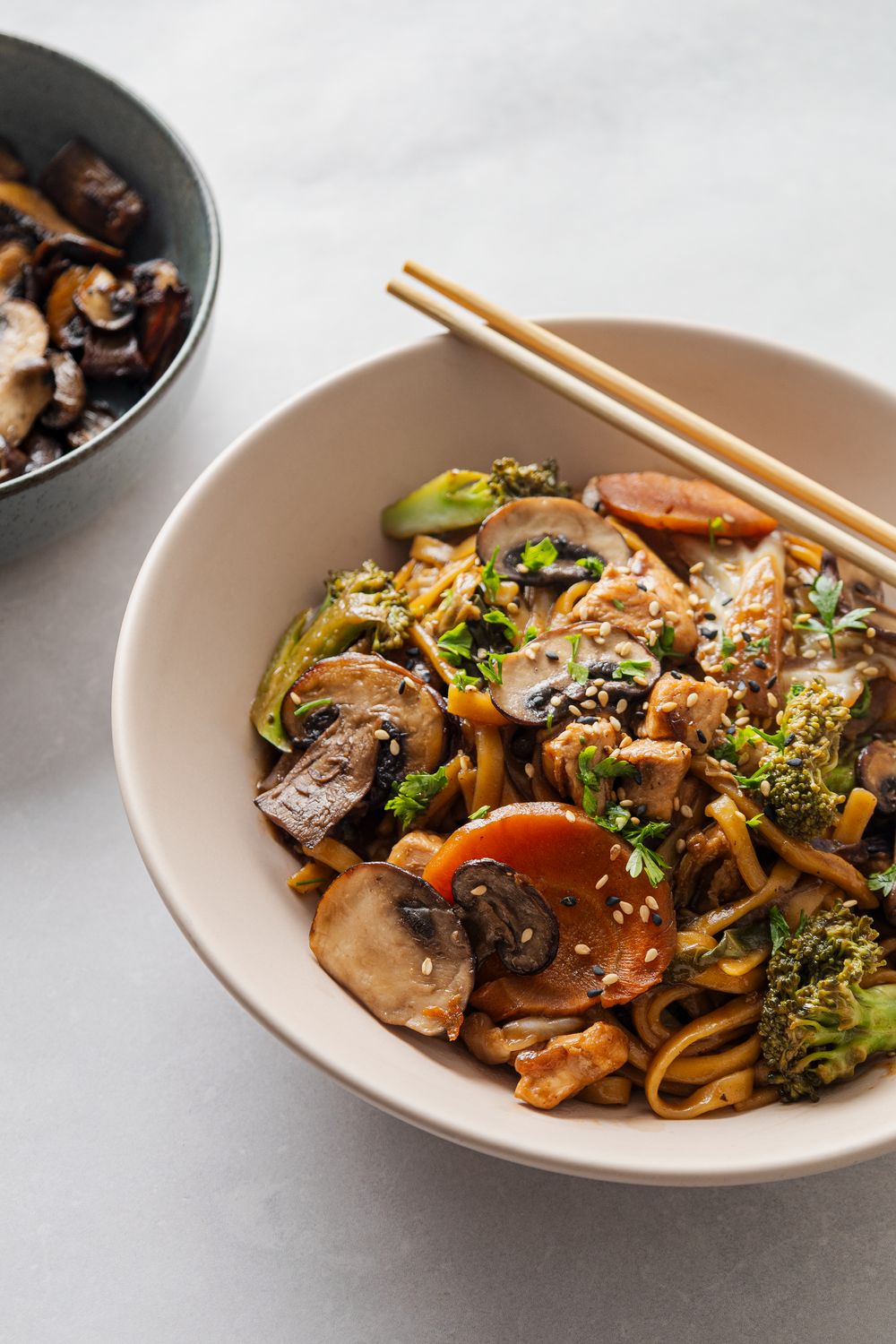
Ginger and sesame headline the dish, but the supporting ingredients make it interesting. In Bon Appétit’s preparation, grated fresh ginger and garlic join soy sauce, mirin, lime juice, sesame oil, toasted sesame seeds and sambal oelek, a chili paste. Scallions add another fresh, sharp note. The result is a dressing built around contrasts rather than a thick coating of cream or cheese, with enough character to season both the noodles and the vegetables tossed through them.
For a two-serving batch using 6 ounces of dried soba, the published formula calls for about 1 tablespoon each of grated ginger and garlic. Whisk those with 2 tablespoons each of soy sauce, mirin, lime juice, and sesame oil, plus 1 tablespoon toasted sesame seeds and 1 to 1½ tablespoons sambal oelek. Add the chopped pale-green portions of two or three scallions, reserving the darker tops for finishing. That is the dressing; after rinsing, drizzle the noodles with sesame oil.
Treat the chili as a deliberate choice rather than background seasoning. The listed quantity makes heat part of the bowl’s personality, and using the lower end of the range is a straightforward starting point. Bon Appétit also describes the dressing as flexible, suggesting maple syrup for sweetness or miso for additional savory depth. Those are optional adjustments, not ingredients you must pile into the same batch. Start with a coherent combination before turning the mixing bowl into a pantry clearance project.
The Cold Rinse Is Not Optional Here
Soba provides a flavorful foundation, with the nutty taste associated with buckwheat. One shopping detail is worth checking, however: not all soba is made entirely from buckwheat flour. Bon Appétit notes that some versions contain wheat, while others use 100% buckwheat. That means the word “soba” alone doesn’t mean a product is gluten-free. Anyone cooking with a gluten restriction should check the noodles and dressing ingredients rather than relying on the dish’s name.
Cook the noodles according to their package instructions, checking their texture as they approach the recommended time. Bon Appétit gives about five minutes as a guide, but the package remains the best reference for the noodles you bought. Drain them, then rinse thoroughly under cold running water. For this dish, that step cools the noodles, stops the cooking, and removes excess surface starch that could otherwise make them stick together.
Drain well, then transfer the noodles to a bowl. For the two-serving preparation, drizzle with about 1 tablespoon sesame oil, toss to coat, and refrigerate until chilled. This is where texture gets its moment: the goal is separate, cool strands that can mingle with the dressing and vegetables, not a stubborn bundle. Bon Appétit’s separate cold sesame noodle recipe likewise calls for rinsing under cold water and draining well before combining the noodles with the other ingredients.
While the noodles chill, prepare the vegetables and finishing ingredients. Keeping those tasks in the cooling window makes the sequence practical: cook and rinse first, then chop and whisk while the refrigerator handles the temperature change. Once chilled, toss the noodles with half the dressing, then add the rest. Finish with the reserved scallion greens, and make sure the sauce is distributed throughout rather than pooled beneath a mound of undressed noodles.
Related: 7 Weeknight Dinners American Middle-Class Families Kept Coming Back to in the 1960s
Add the Crunch, Then Keep the Leftovers Cold
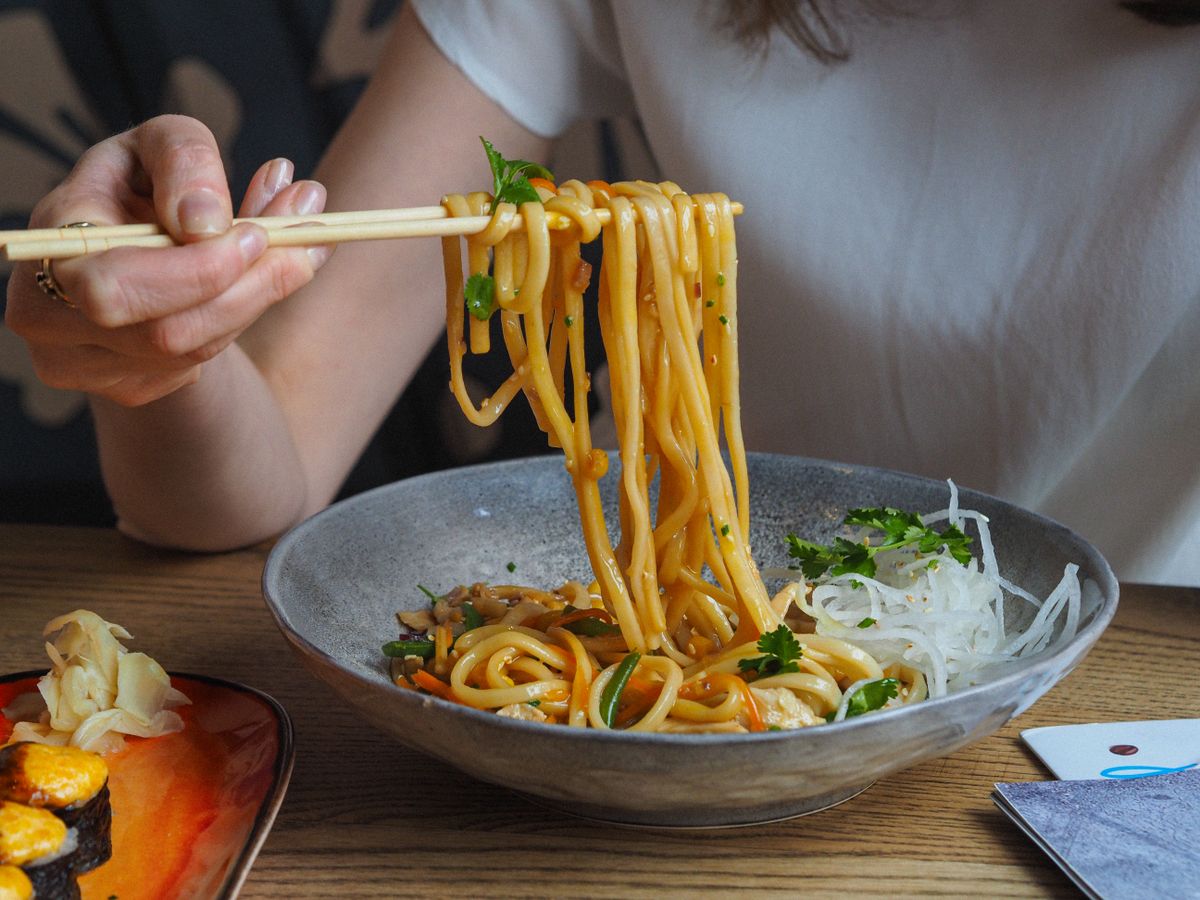
The vegetables move this from a bowl of dressed noodles to a full-fledged noodle salad. Bon Appétit suggests julienned carrot, bell pepper or radish, giving you several ways to introduce crispness and color. Thinly sliced pieces also mix readily through the strands. You don’t need every option at once; choosing a combination you enjoy keeps the bowl focused and lets the ginger-sesame dressing do its job.
Edamame or peas offer another variation, and the published method suggests adding frozen ones to the noodle water before draining. Check the package cooking instructions so they are properly cooked, rather than assuming a brief dip will always be enough. For the finish, Bon Appétit recommends additional sesame seeds, thinly sliced nori, scallion greens, and a drizzle of rice vinegar. The bowl can stand as the main dish or accompany grilled shrimp, steak, or a vegetable stir-fry.
Cold noodles also make a useful packed meal, but “served cold” does not mean “safe to leave out.” FoodSafety.gov advises refrigerating perishable food within two hours, or within one hour when temperatures exceed 90°F. Use covered, shallow containers for leftovers and keep them refrigerated until serving. USDA guidance puts refrigerated leftovers at three to four days, giving this dinner a sensible second act without turning it into an open-ended meal-prep promise.