10 Things You Should Think Twice About Carrying in Your Wallet After 50
When did you last actually clean out your wallet? Not just removing a few old receipts to make room for more, but checking everything you carry around daily.
For many people, a wallet becomes a portable storage drawer. It holds everything from payment cards and identification to gift cards, spare keys, and documents that haven’t been needed in years.
But here’s something to consider: If your wallet disappeared tomorrow, how much personal information would go with it?
After 50, reviewing what you carry is a practical habit worth adopting. The risks aren’t unique to older adults, but a little organization can save anyone from complicated replacements, unexpected account problems, and unnecessary headaches.
Here are 10 things worth reconsidering before your wallet leaves the house again.
Your Social Security Card
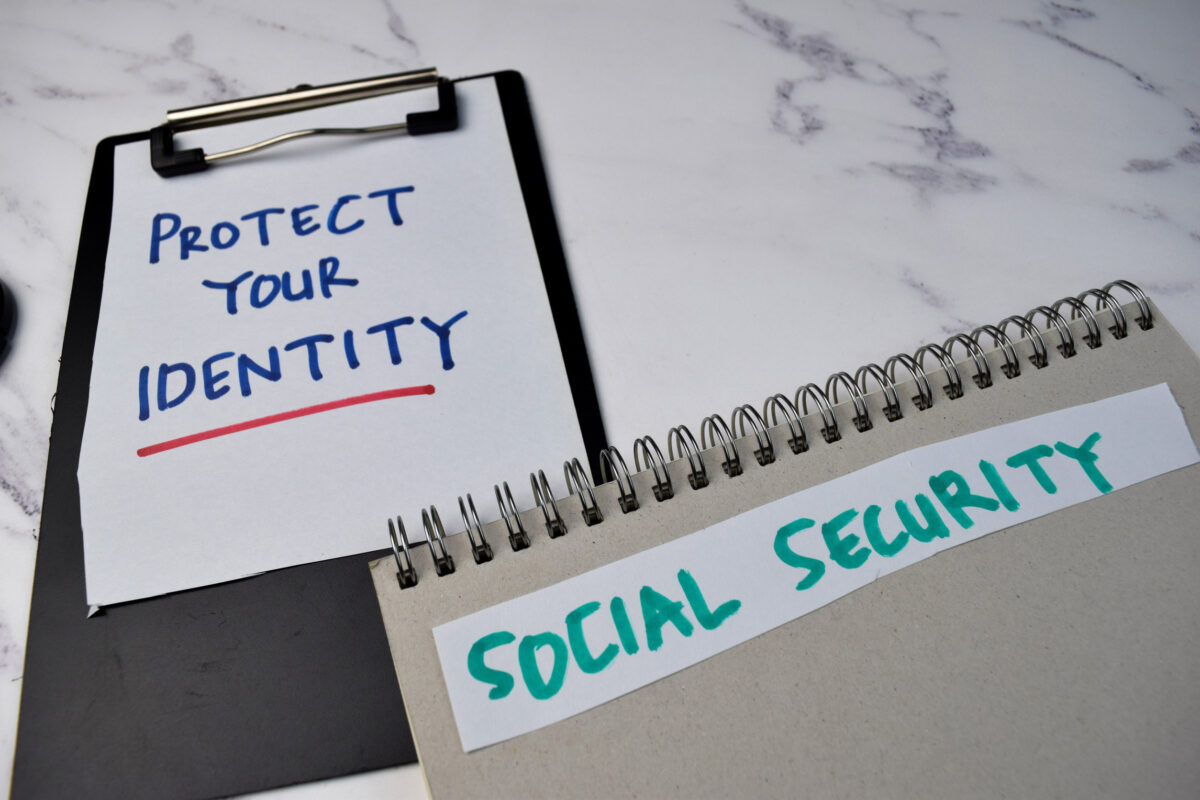
Your Social Security card might seem like something you should always have handy. After all, it’s an important document, so keeping it close feels sensible.
However, the Social Security Administration recommends against carrying your card every day. In most situations, knowing your number is sufficient, and you don’t need the physical card.
If your wallet is stolen, carrying the card could expose your Social Security number alongside other identifying information.
Keep it somewhere secure at home instead. The same applies to handwritten reminders or other unnecessary papers displaying your Social Security number. Bring the card only when a particular transaction genuinely requires it.
Credit and Debit Cards You Rarely Use
Open your wallet and count your payment cards. How many have you actually used in the past month?
It’s easy to accumulate credit cards, debit cards, and store cards over time. Unfortunately, losing several at once creates more work because you may need to report and replace each one separately.
AARP recommends carrying the cards you use regularly and keeping unnecessary ones securely stored.
You don’t have to limit yourself to one card. A backup payment method can be useful, especially when traveling. Just make sure every card in your wallet has a purpose.
Written PINs and Password Lists
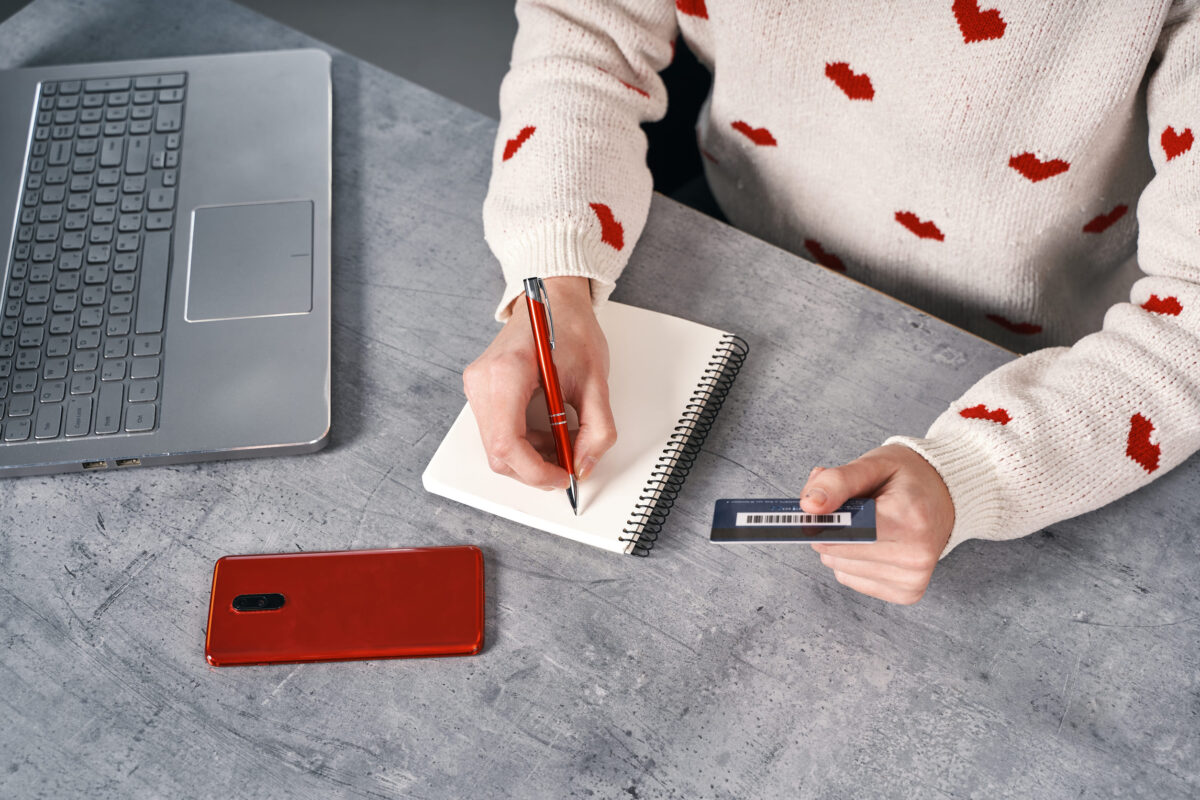
We’ve all had that moment when an important password disappears from memory at precisely the wrong time.
Writing down PINs and passwords might seem like a convenient solution. But keeping those reminders beside your payment cards creates an obvious problem if everything goes missing together.
The Federal Trade Commission specifically advises against carrying ATM or debit card PINs in your wallet, purse, or pocket.
Keep any necessary written records securely stored somewhere separate. And whatever you do, don’t write your PIN directly on your payment card.
Convenience is wonderful, but not when it gives someone else access to your accounts.
Blank Checks or an Entire Checkbook
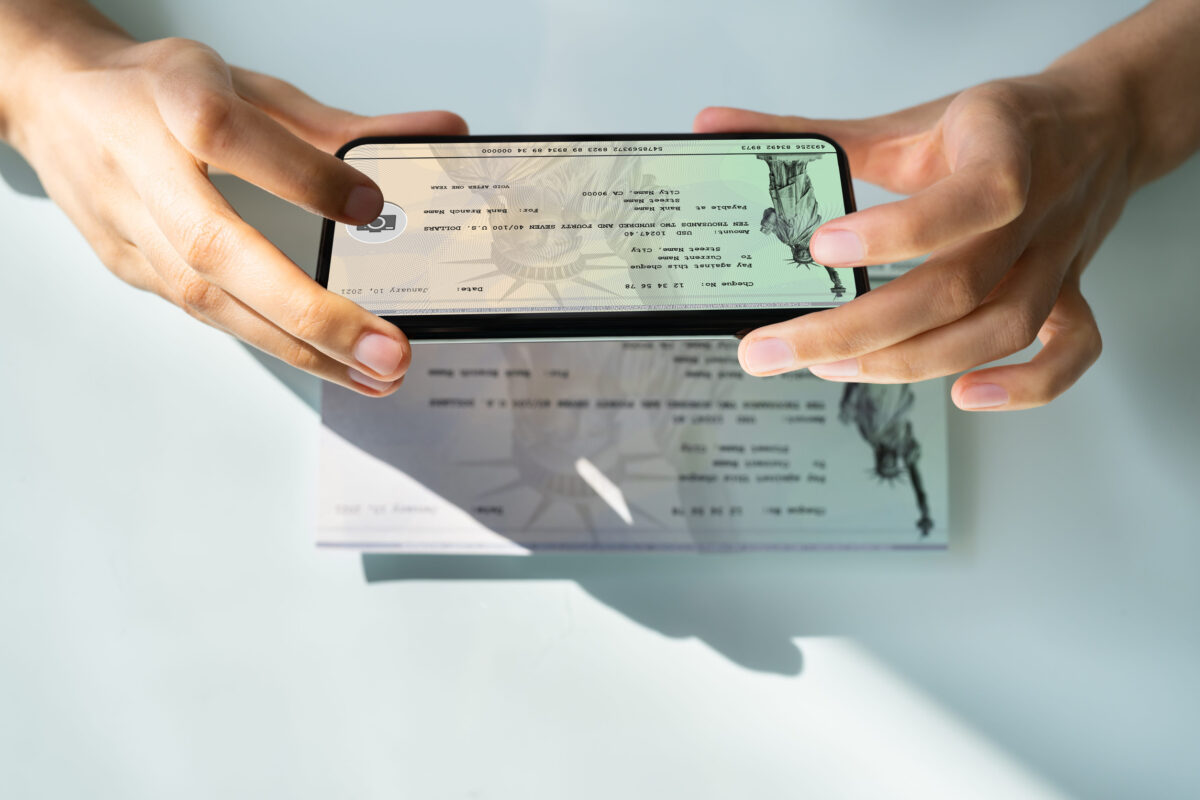
A blank check tucked behind your driver’s license might seem harmless. Perhaps you keep one for emergencies or businesses that don’t accept your preferred payment method.
However, personal checks contain information such as your name, bank account number, and routing number. Stolen checks can also be altered or forged.
If you don’t plan to write a check, there’s little reason to carry an entire checkbook.
Store it securely and bring a check only when a specific payment requires one. That simple change reduces the amount of banking information you carry.
Your Passport or Passport Card
A passport is valuable identification, but it doesn’t belong in your everyday wallet.
Losing one creates an additional problem beyond the missing document. The U.S. State Department advises reporting a valid lost or stolen passport immediately; once reported, it becomes invalid even if you later find it.
Naturally, there are occasions when carrying one makes perfect sense.
International travel and certain identification requirements are legitimate reasons. Passports and passport cards are also accepted identification at TSA checkpoints.
Otherwise, secure storage is generally the more practical choice.
Your Birth Certificate
Your birth certificate is another document that deserves a permanent home somewhere safer than your purse or wallet.
It can be required for important administrative tasks, including applications for certain identification documents.
If it disappears, you’ll need to obtain a certified replacement by following procedures through the appropriate state or territory’s vital records office.
That is an unnecessary errand if you never needed to carry it in the first place.
Store the original securely and retrieve it only when an appointment specifically requires it. Remember, a photocopy won’t always meet official document requirements.
Gift Cards You’re Not Planning to Use
That forgotten gift card from last Christmas might still be hiding behind your credit cards.
Unfortunately, replacing lost or stolen gift cards isn’t always easy.
The Consumer Financial Protection Bureau explains that replacement depends on the issuer’s policies. Some businesses may help if the card was registered or you retained its information, but recovery isn’t guaranteed.
Instead of carrying every gift card you own, bring the ones you intend to use.
Keep purchase documentation and relevant card details securely stored separately. If the issuer offers it, register cards to make recovering a lost balance easier.
A Spare House Key
Avoid keeping a house key and ID showing your home address in the same wallet.
If someone steals the wallet, they could get both the key and the address it’s linked to.
AARP specifically warns against keeping these items together.
That doesn’t mean you should abandon the convenience of having a spare key. Simply store it separately from your address-bearing identification.
It’s a small adjustment that removes one unnecessary concern if your wallet ever disappears.
Old Legal Documents and Personal Paperwork
Sometimes important documents end up in a purse or wallet after an appointment and stay there for months.
Divorce paperwork, financial agreements, and other legal records can contain sensitive personal details that have no business accompanying you to the grocery store.
AARP’s Fraud Watch Network has reported hearing from consumers whose stolen wallets or purses contained legal documents with financial information and family details.
Before heading out, check whether you’re carrying paperwork that belongs in secure storage.
Bring documents only when you need them for a specific appointment, then put them away afterward.
Related: 10 Things Most Men Should Stop Doing After 50
Receipts Containing Sensitive Information
Not every shopping receipt is dangerous, and you don’t need to panic over a grocery receipt sitting in your wallet.
Under federal requirements, most electronically printed consumer payment-card receipts must show no more than the last five digits of the card number and must omit the expiration date.
However, some receipts and transaction documents may contain other identifying or financial information. Handwritten and imprinted receipts also fall outside that particular federal truncation rule.
Review your receipts occasionally and remove unnecessary ones containing sensitive details.
If you need a receipt for a return, reimbursement, or recordkeeping, store it somewhere secure instead of letting it pile up in your everyday wallet.
What About Your Medicare and Insurance Cards?
Before you enthusiastically empty everything onto the kitchen table, remember that some cards genuinely belong in your wallet.
Medicare advises people with Original Medicare to carry their Medicare card when away from home. Those enrolled in Medicare Advantage generally use their plan card while keeping their original Medicare card securely stored.
Your regular insurance card and necessary identification may also be important for appointments, prescriptions, and everyday activities.
The goal isn’t to carry as little as humanly possible. It’s to carry what you actually need.
Related: Is Medicare Enrollment Automatic With Social Security? How Signing Up Works
What If Your Wallet Goes Missing?
If your wallet disappears, act quickly rather than assuming it will eventually turn up.
Report missing credit or debit cards to their issuers immediately. Contact your bank if checks or banking information were exposed, and consider a free credit freeze with Equifax, Experian, and TransUnion if identifying information was compromised.
If identity theft occurs, the FTC’s IdentityTheft.gov can provide a personalized recovery plan.
The bottom line: Your wallet should make everyday life easier, not become a traveling collection of sensitive documents.
A quick cleanout today could spare you a much bigger administrative headache tomorrow.