10 Harshest Places You’d Struggle to Live in America
America has its dazzling skylines and perfect suburbs, but life isn’t easy everywhere. Some towns, cities, and counties test residents with crushing poverty, failing infrastructure, and limited access to opportunity. Daily survival here feels like a constant uphill battle, and the challenges rarely make headlines. These are the places where living is a fight against circumstance itself, and the numbers prove the struggle is real.
Flint, Michigan
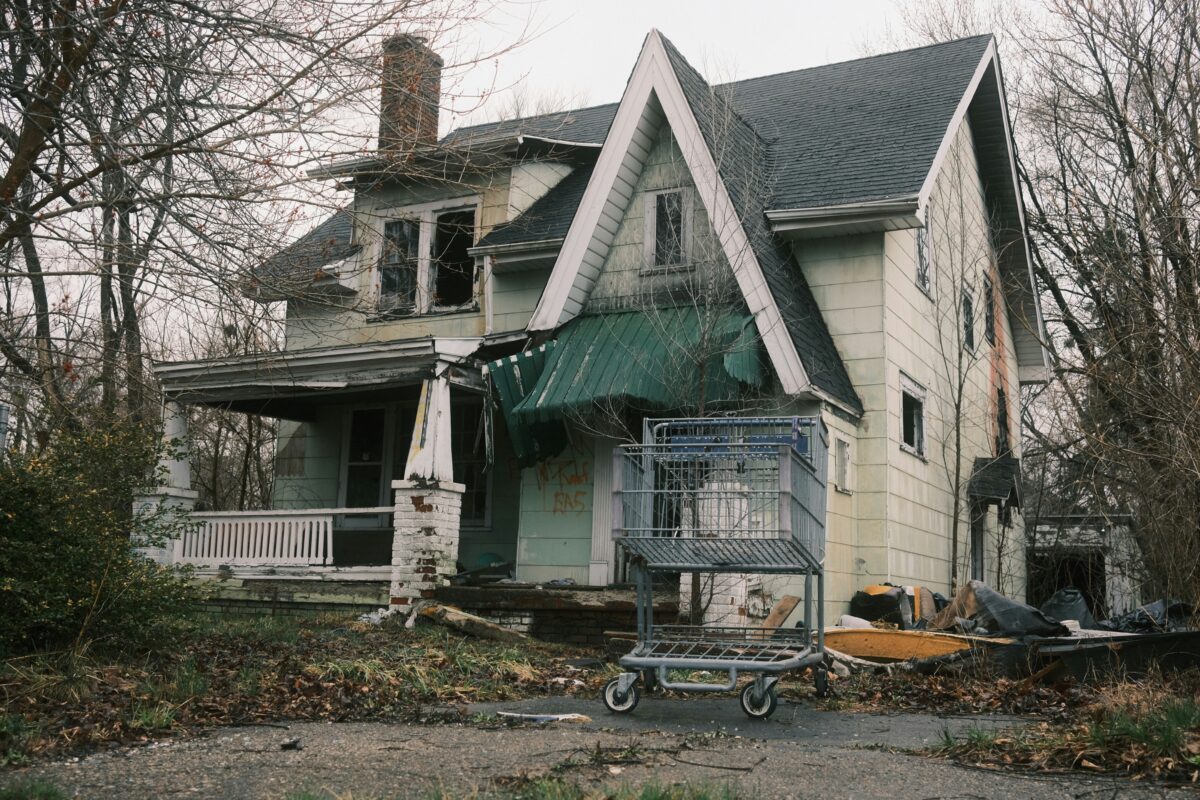
Flint’s water crisis became a national symbol of failure, but the struggle didn’t end with headlines. Many families still worry whether turning on the tap is safe, while decades of economic decline have left unemployment high and opportunities low. Health risks and financial stress pile on, making every decision a calculation. Residents navigate broken systems, unstable jobs, and a community still trying to rebuild trust after one of the worst public service disasters in U.S. history.
Detroit, Michigan
Detroit’s story is a mix of cultural revival and deep economic scars. Factory closures and population loss left many neighborhoods struggling for essentials. While downtown redevelopment draws attention, numerous blocks still face vacant properties, school challenges, and limited access to quality jobs. Poverty remains high, making it difficult to meet basic needs. Residents cope with uncertainty daily, proving that a city’s resurgence doesn’t reach every household equally.
Camden, New Jersey
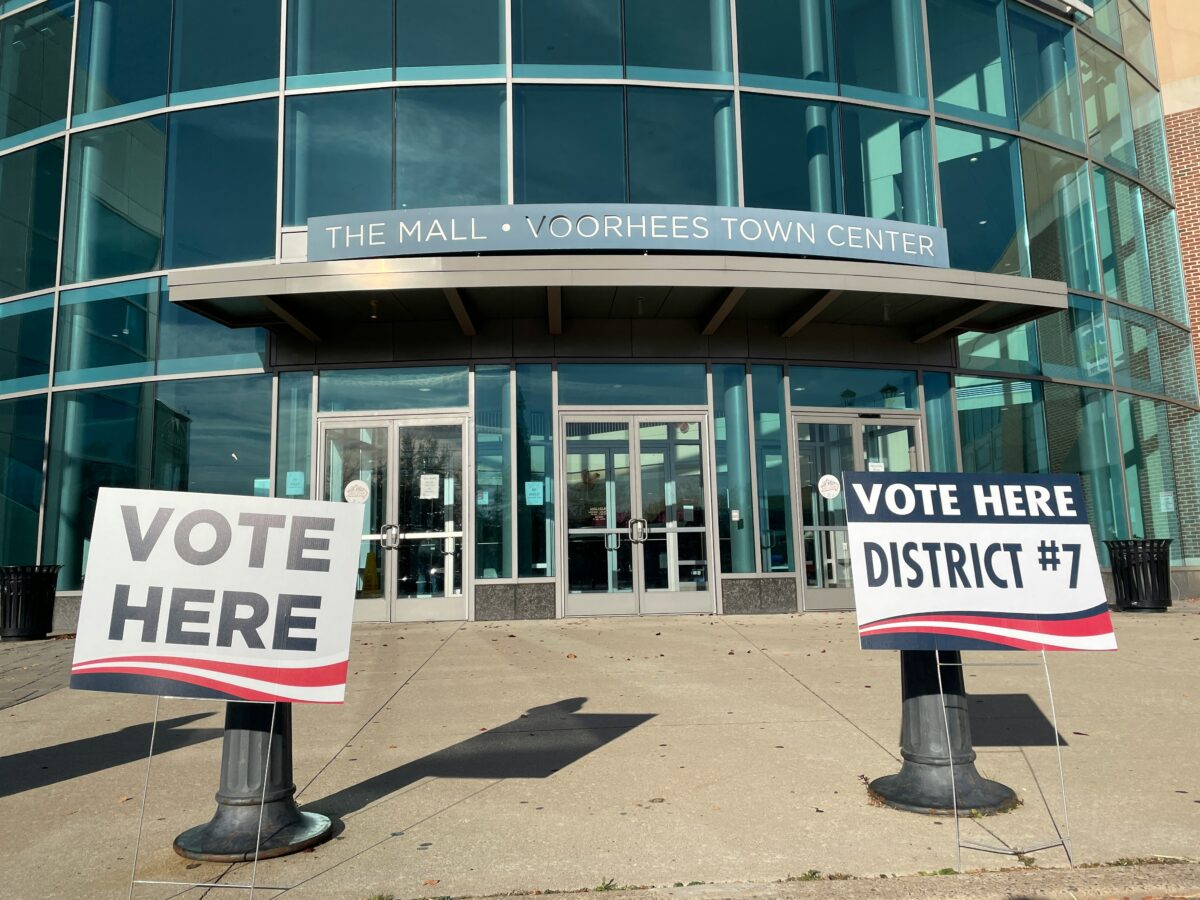
Close to Philadelphia, Camden hides profound hardships beneath its urban proximity. Long-term poverty, limited job access, and crumbling infrastructure make daily life an obstacle course. Families face high bills, low wages, and gaps in essential services. The city struggles to attract stable employment, leaving residents dependent on inconsistent opportunities. The combination of economic decline and social stress creates a cycle of hardship that keeps many trapped despite redevelopment efforts.
East St. Louis, Illinois
East St. Louis has faced decades of industrial decline, leaving neighborhoods weakened and communities overstressed. Jobs vanished as factories closed, and public services have never fully recovered. Abandoned buildings and poor infrastructure make challenges visible before income is even considered. Families face limited schooling, healthcare, and transport, amplifying poverty’s grip. Living here means navigating daily obstacles most Americans rarely imagine, with resilience tested at every turn.
McDowell County, West Virginia
Coal country’s golden era left McDowell County struggling long after the mines closed. Job loss triggered population decline and tax revenue shortfalls, reducing access to schools, healthcare, and housing. Residents face spread-out communities and limited resources for basic services. Seasonal or part-time work often replaces stable employment, and every household feels the weight of opportunity lost. The combination of geographic isolation and economic scarcity makes daily survival here demanding.
Gallup, New Mexico
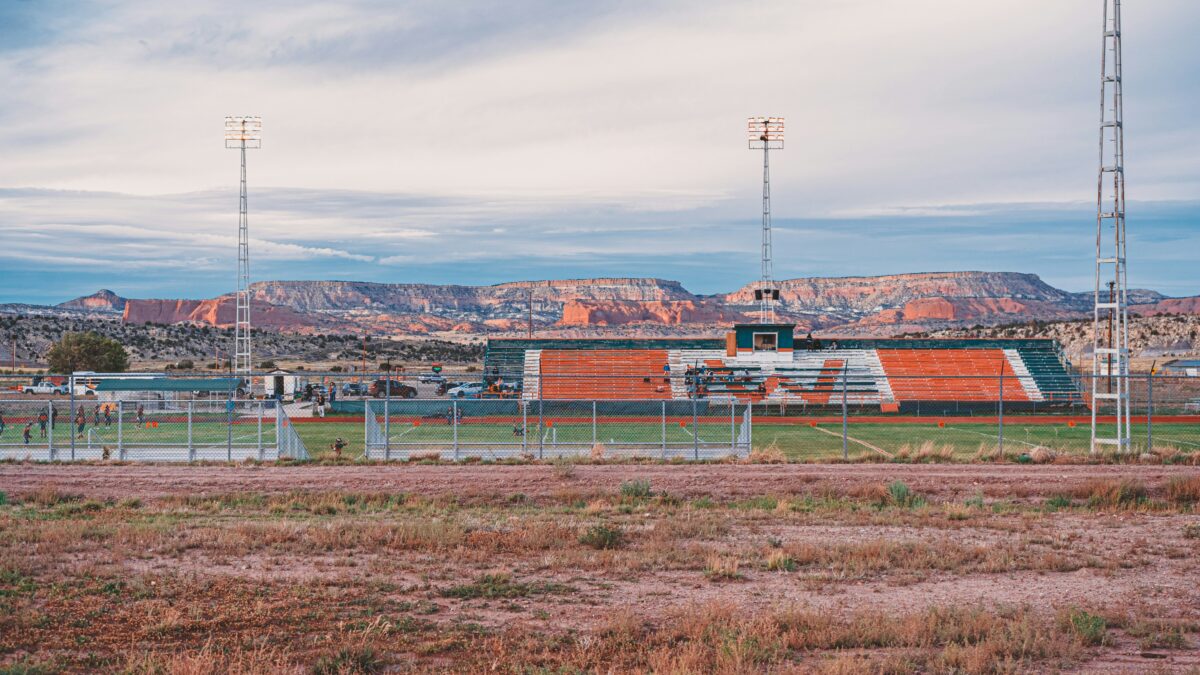
Gallup boasts incredible landscapes and culture, but economic pressure is constant. Jobs are scarce, wages lag, and access to healthcare is uneven. Surrounding Indigenous communities face decades of underinvestment, which amplifies hardship within the city. Families encounter long commutes, unstable work, and the daily stress of meeting essential needs. Poverty and isolation intensify challenges, proving that geographic beauty does not always translate into livable conditions.
Pine Ridge Reservation, South Dakota
Pine Ridge illustrates the legacy of historical injustice shaping present-day hardship. High poverty rates, inadequate housing, and limited healthcare challenge families daily. Infrastructure remains underdeveloped, and economic opportunities are scarce. Residents often default to survival mode, with systemic obstacles adding pressure to every choice. Despite cultural strength, the harsh realities of poverty and isolation define the daily experience for many on the reservation.
Baltimore, Maryland
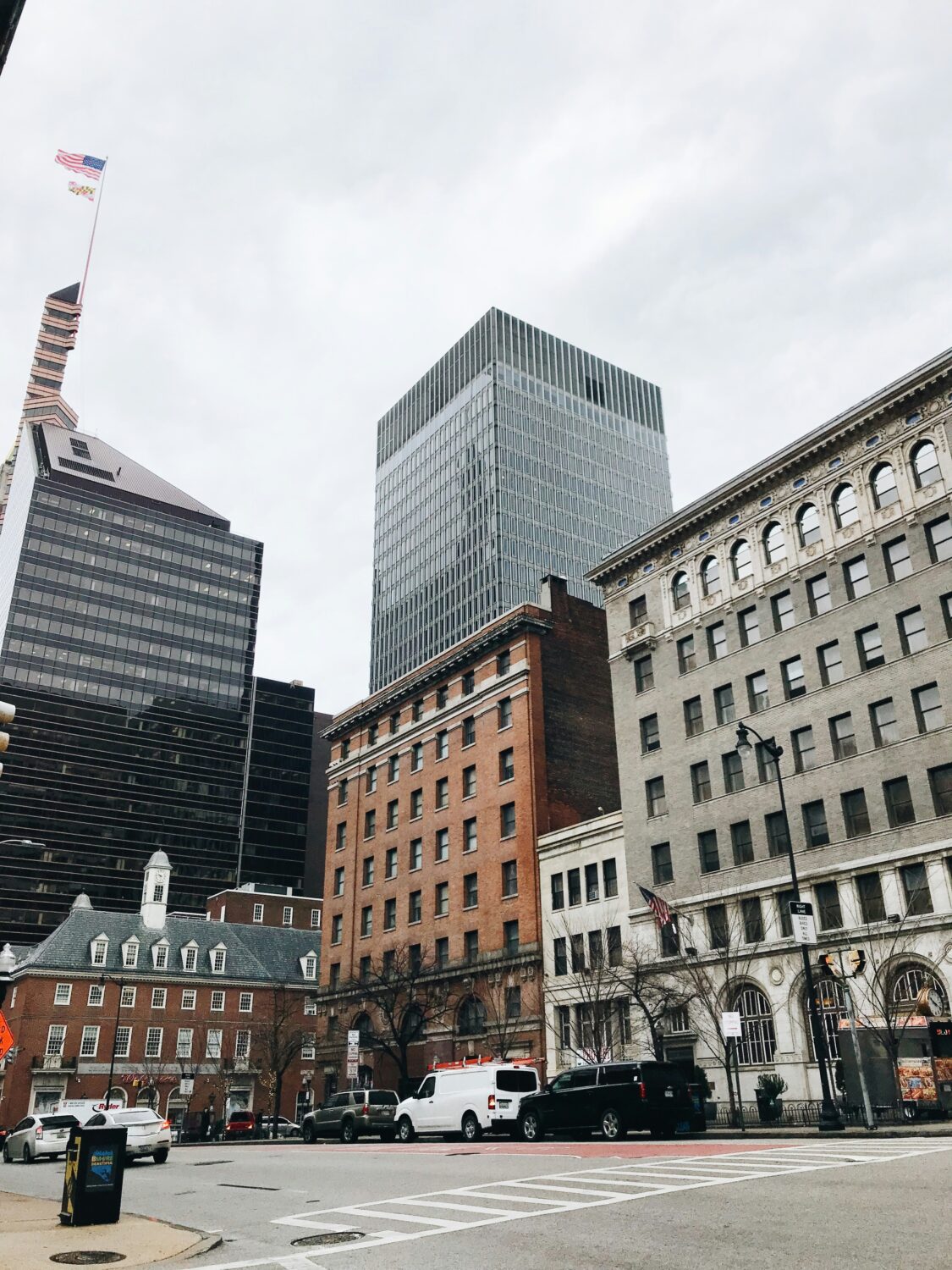
Baltimore’s struggle exists block by block. Some neighborhoods are thriving, while others contend with poverty, crime, and underfunded schools. Economic and social inequality is stark, leaving families vulnerable to instability despite nearby opportunity. Residents face a daily balancing act between community pride and the harsh realities of living costs, security, and services. For many, daily life requires constant vigilance, proving that proximity to growth does not guarantee survival.
Bakersfield, California
Bakersfield suffers under extreme heat, pollution, and seasonal economic pressures. Agricultural work dominates the economy, leaving many families dependent on physically demanding and low-paying labor. Health challenges, transportation gaps, and environmental stress amplify difficulty. Even though the cost of living is lower than in California’s coastal cities, daily life feels relentless when income barely covers essentials. Residents confront both climate and economic hurdles simultaneously.
Immokalee, Florida
Immokalee feeds much of the country but leaves many of its workers in financial strain. Agricultural labor is seasonal, low-paid, and vulnerable to market or weather changes. Families contend with housing instability, limited access to healthcare, and transportation barriers. The contrast between producing food for others and struggling to meet personal needs is stark. Daily life here is defined by the grind of surviving on limited wages while supporting households and communities under constant pressure.
Conclusion
These ten communities highlight the hidden struggle in America’s landscape. Poverty, environmental pressures, unstable work, and poor infrastructure make life an ongoing challenge. Despite these hardships, residents continue to persevere, sustaining families and communities through resilience and determination. Understanding these realities challenges perceptions and emphasizes the strength required to live where opportunity is scarce.